Chaste Tree Profile
Chaste Tree
Vitex agnus-castus
For feminine rhythm, cycle support and balance.


Cart
Your cart is empty

Join us in our love of herbs
Chaste Tree Profile
Vitex agnus-castus
For feminine rhythm, cycle support and balance.
Herbal Intelligence
Chaste Tree (Vitex agnus-castus) is a shrub or small tree native to the Mediterranean and western Asia. Its small, dark, peppery berries, also sold as Chasteberry, Vitex or Monk's Pepper, have been written about for more than two thousand years and are one of the best-known women's herbs of European tradition.
The taste is peppery, aromatic and a little bitter. Most people take Chaste Tree as a tea or a liquid extract, usually once a day in the morning, and it is the herb our customers reach for when they want to feel in step with their monthly rhythm.
Chaste Tree has been written about since antiquity. Hippocrates mentioned it around 400 BC, and Dioscorides and Pliny both described it in the first century AD(1, 2). Its names say how it was seen: the Greek agnos and the Latin castus both mean 'chaste'(1).
In Athens, women strewed its leaves on their beds during the festival of Thesmophoria, when they kept apart from their husbands(2). Later, monks are said to have used the berries to quiet desire(3), and the plant is still called Monk's Pepper.
Alongside that reputation ran a second, longer-lived one. The berries have been taken for centuries as a herb for women's cycles(1), and the English herbalist John Gerard was still recommending them in 1633(2). In Germany and Austria, Chaste Tree preparations have been sold for this purpose for thirty years or more(1).
The ripe berries of Chaste Tree (Vitex agnus-castus) contain flavonoids such as casticin and vitexin, iridoid glycosides such as agnuside, and diterpenoids(4). In the laboratory these compounds are studied for their influence on the body's hormone-regulating systems, especially the pituitary-hypothalamic axis(5).
In Western herbalism Chaste Tree is the classic herb for the monthly cycle. Herbalists usually suggest a single serve first thing in the morning, taken every day across several cycles, because it is thought of as a slow and steady herb.
People turn to it when their rhythm feels out of step: in the days before a period, and in the years around menopause.
It is one of the better-studied herbs of its kind. The European Medicines Agency has a herbal monograph that recognises its long-standing use for the monthly cycle(6). A 2013 systematic review found twelve randomised trials, most of them on the days before a period, with largely favourable results(7). The US National Center for Complementary and Integrative Health rates the studies as low to moderate in quality and says better evidence is needed(3). We describe how it is used, not what it will do.
Developed and reviewed by Laura Grace, Owner and Creative Director of Happy Herb Co, Herb Educator and Registered Ayurvedic Lifestyle Consultant ·
This profile is intended as a researched educational guide and does not replace the broader perspective of a herbal consultation.
In everyday life
Chaste Tree berries are taken in two main ways.
Chaste Tree is usually taken daily over several months, not now and then.
A longer rhythm.
Crush a few of the berries and smell them, peppery and a little like lavender. The tree grows on Mediterranean riverbanks and has been a women's herb since the physicians of ancient Greece.
Steep a teaspoon of crushed berries first thing in the morning, before the day decides anything for you. Chaste tree is taken over months, not days.
Sip slowly. Some rhythms run longer than a week. What in your life moves in cycles, and how would you approach it differently if you honoured that?
Shop


Single Herb
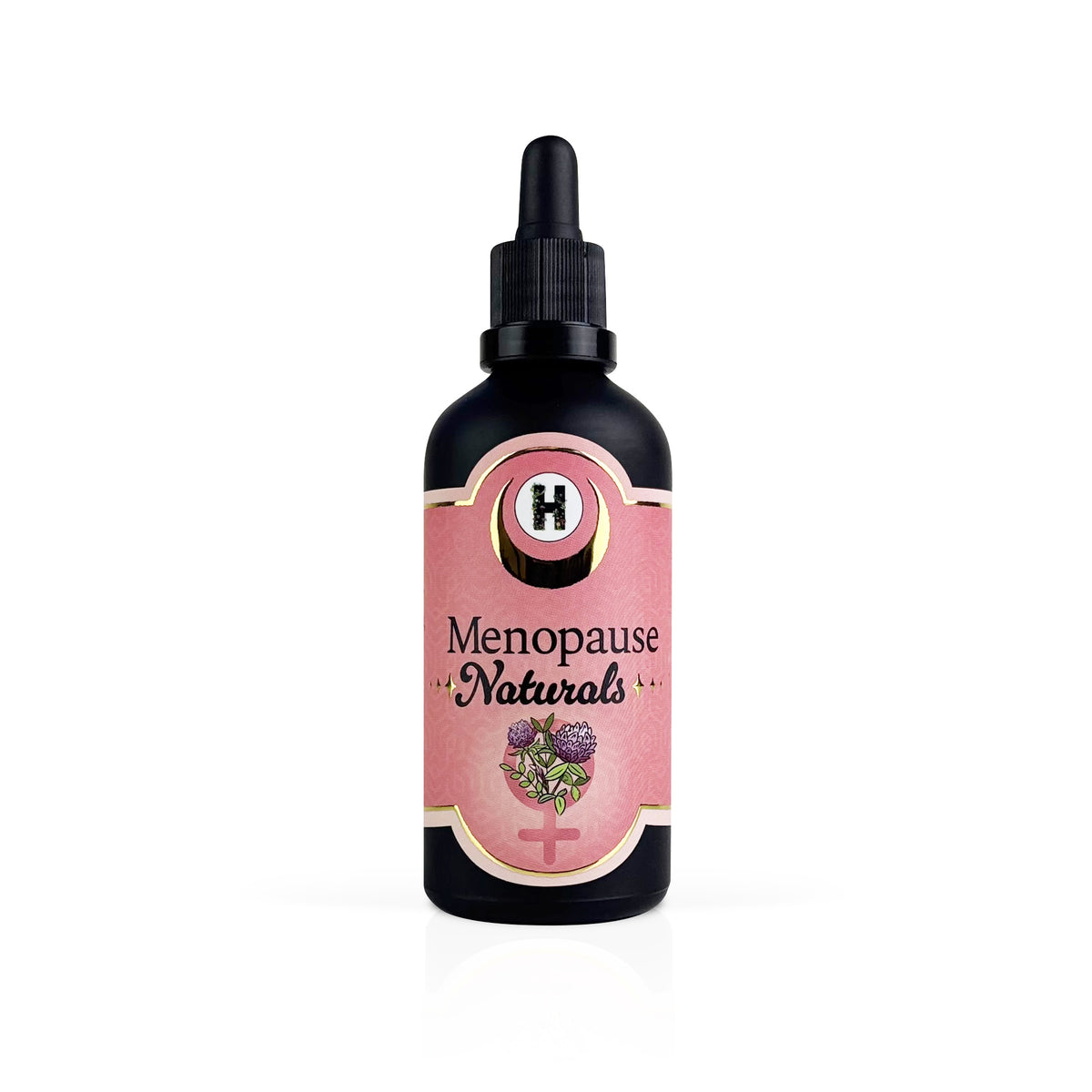
Botanical Concentrate
A 1:2 tincture of black cohosh, chaste tree berry, dong quai and red clover.

Bundle
A steaming blend, a spagyric, shatavari powder, a cream, a tincture and a book.
FAQ
Chaste Tree (Vitex agnus-castus) is a shrub or small tree native to the Mediterranean and western Asia. Its small, peppery berries, also called Chasteberry, Vitex or Monk's Pepper, have been written about for more than two thousand years and are among the best-known women's herbs of European tradition. Today they are taken as a tea or a liquid extract.
Chaste Tree, also sold as Vitex, is long associated with the monthly cycle. In European tradition the berries have been taken for women's cycles for centuries, and Western herbalists suggest them in the days before a period and in the years around menopause. The US National Center for Complementary and Integrative Health says better evidence is needed, so we describe how it is used, not what it will do.
Whilst Chaste Tree is not a direct remedy for period or menopause complaints, it can be useful when you want to feel in step with your monthly rhythm. Most people take it once a day, first thing in the morning, and keep it up daily over several months. It is a slow and steady herb.
Steep 1 teaspoon of lightly crushed Chaste Tree berries in a cup of just-boiled water, covered, for 10 minutes, up to three cups a day. As a liquid extract, 1 to 3 ml is taken in a little water once a day, first thing in the morning, following the directions on the label.
No. Chaste Tree is naturally caffeine free. The berries make a peppery, slightly bitter tea that most people take first thing in the morning, and it can be drunk at any time of day without adding to the caffeine you have.
Yes. Chaste Tree, Vitex, Chasteberry and Monk's Pepper are all names for the same plant, Vitex agnus-castus, and its small peppery berries. The Greek agnos and the Latin castus both mean 'chaste', and monks are said to have used the berries to quiet desire, which is where the names Chaste Tree and Monk's Pepper come from.
Do not take Chaste Tree with the contraceptive pill or hormone replacement therapy. It is not recommended during pregnancy or breastfeeding. Use caution with medicines that act on dopamine. It is not recommended with hormone-sensitive cancers, and may aggravate period cramps that come without premenstrual moodiness and breast pain. If you take medication or have a health condition, check with your health professional first.
Do not take in conjunction with the contraceptive pill or hormone replacement therapy. Not recommended during pregnancy or breastfeeding. May aggravate menstrual cramping that is not accompanied by premenstrual moodiness and breast pain. Use caution with dopamine antagonist and agonist medicines. Not recommended in hormone-sensitive cancers until safety is established.
As described in the monographs cited under Sources.