Olive Leaf Profile
Olive Leaf
Olea europaea
For seasonal wellness, whole body vitality and cardiovascular support.


Cart
Your cart is empty

Join us in our love of herbs
Olive Leaf Profile
Olea europaea
For seasonal wellness, whole body vitality and cardiovascular support.
Herbal Intelligence
Olive Leaf (Olea europaea) is the leaf of the olive tree, an evergreen native to the Mediterranean and one of the oldest cultivated trees in the world. While the fruit and its oil became food, the silver-green leaves were brewed as a household tea across the region.
The taste is bitter and earthy. Most people take Olive Leaf as a tea or as part of a blended liquid extract, and it is the herb our customers reach for at the change of season, when they want to look after themselves through the colder months.
The olive is one of the oldest cultivated trees on earth. It has been grown for more than 7000 years, and by 3000 BC the Minoans of Crete were farming it for trade(1). From the eastern Mediterranean it spread west through Greece, Italy, France, Spain and Portugal(1).
The leaf has a history of its own. It has been widely used in folk medicine around the Mediterranean, most often as an infusion, and its folk uses for the heart and circulation and as a diuretic are well documented(2).
In the early nineteenth century Spanish physicians prescribed Olive Leaf at times of fever, and in 1854 Daniel Hanbury described a tincture of the leaves in the Pharmaceutical Journal(2). Decades later chemists isolated the bitter substance in the leaf and named it oleuropein(2).
The leaves of Olea europaea contain a wide range of phenolic compounds. These include oleuropein and hydroxytyrosol, flavonoids such as luteolin and rutin, and caffeic acid derivatives(3). In laboratory studies these compounds are examined for antioxidant and mild diuretic activity(3).
In Western herbalism Olive Leaf is classed as a bitter tonic, and it is known for its antioxidant compounds. Herbalists think of it as a seasonal herb, taken daily for a few weeks at a time.
People drink it as a daily tea through autumn and winter, often alongside Echinacea or Astragalus, and many take it as part of a blended liquid extract. It is a bitter cup, made for sipping, and usually softened with lemon or honey.
Tradition credits Olive Leaf with many properties, but the European Medicines Agency notes that very few of them have been tested(2). It accepts the leaf as a traditional herbal medicine to promote the elimination of water, on the strength of long use, and says the evidence from clinical trials is insufficient(3). So we describe how it is used, not what it will do.
Developed and reviewed by Laura GraceClinically reviewed by Tamara Welsh, Clinical HerbalistLast reviewed
This profile is intended as a researched educational guide and does not replace the broader perspective of a herbal consultation.
In everyday life
Olive Leaf is used in three main ways.
Olive Leaf tea is usually taken once or twice a day.
The tree that outlives empires.
Hold a dried olive leaf, silver-grey and narrow. Some olive trees alive today were planted when Rome was young, and the leaf was brewed across the Mediterranean long before the oil was famous.
Steep a teaspoon or two for ten minutes with lemon and honey to meet the bitterness. Drink it at the turn of the seasons.
Sip slowly. The olive grows slowly and lives for two thousand years. What would you plant if you knew you would never see it fully grown?
Shop
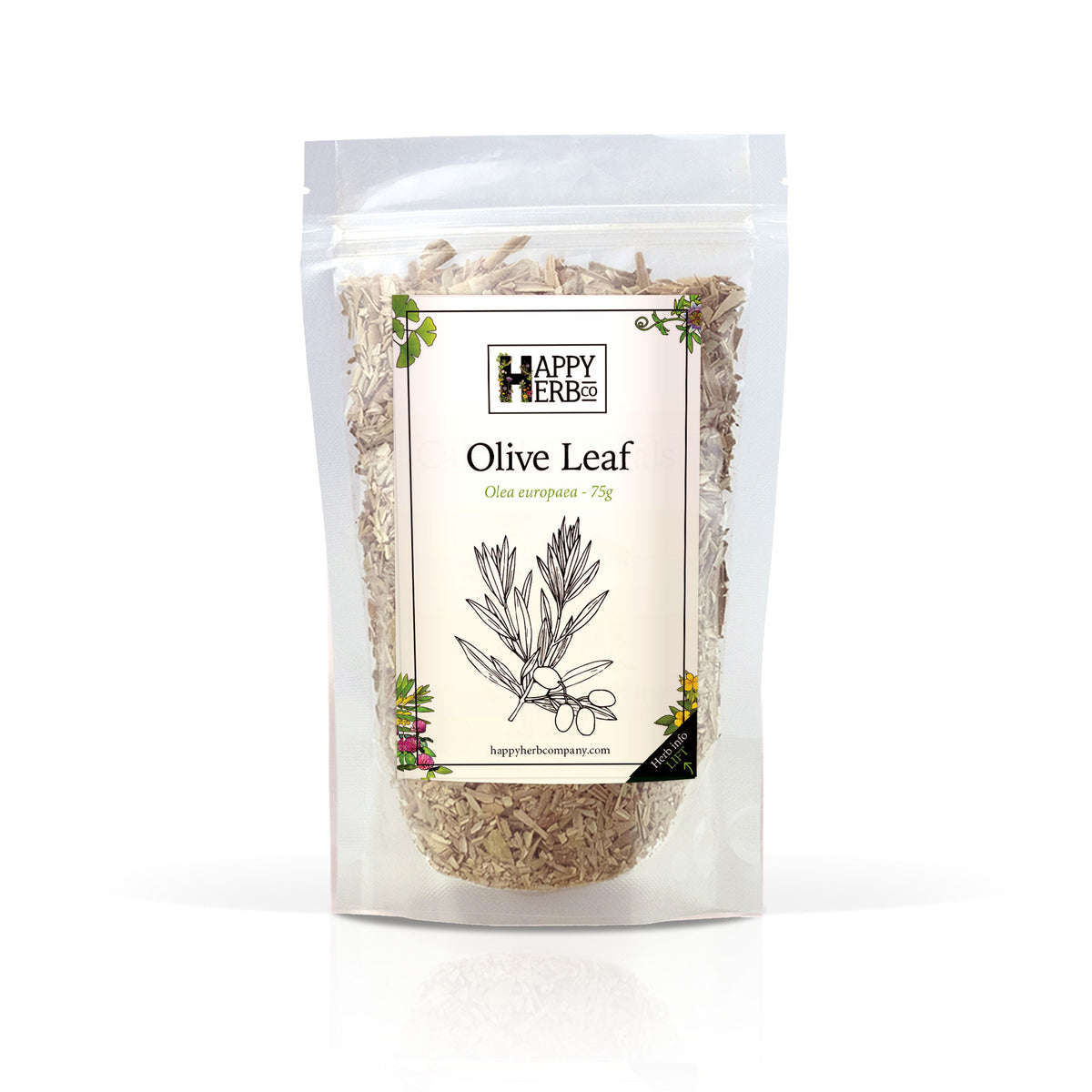

Single Herb
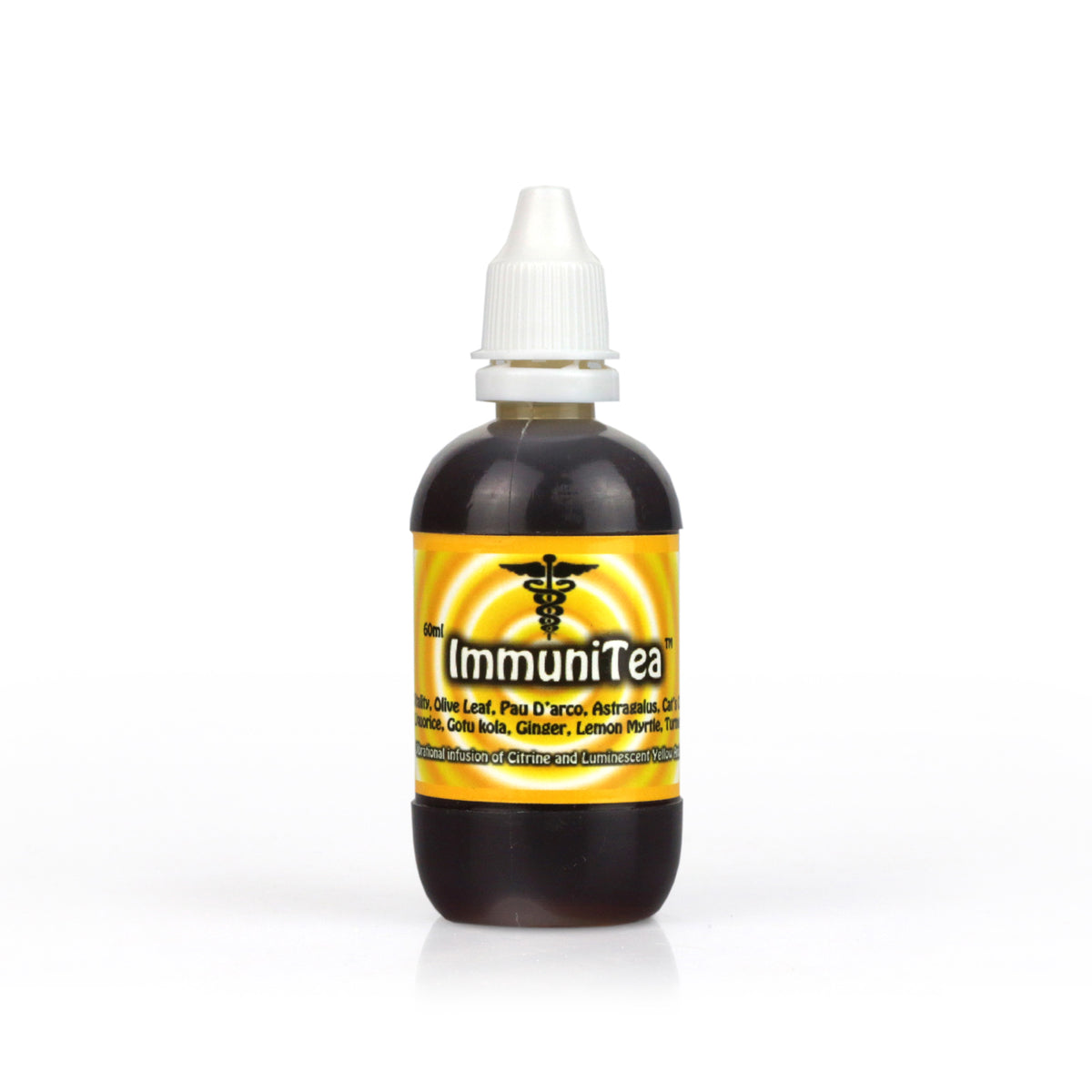
Tea Elixir
Olive leaf, pau d'arco, astragalus, cat's claw and ginger as a concentrate.
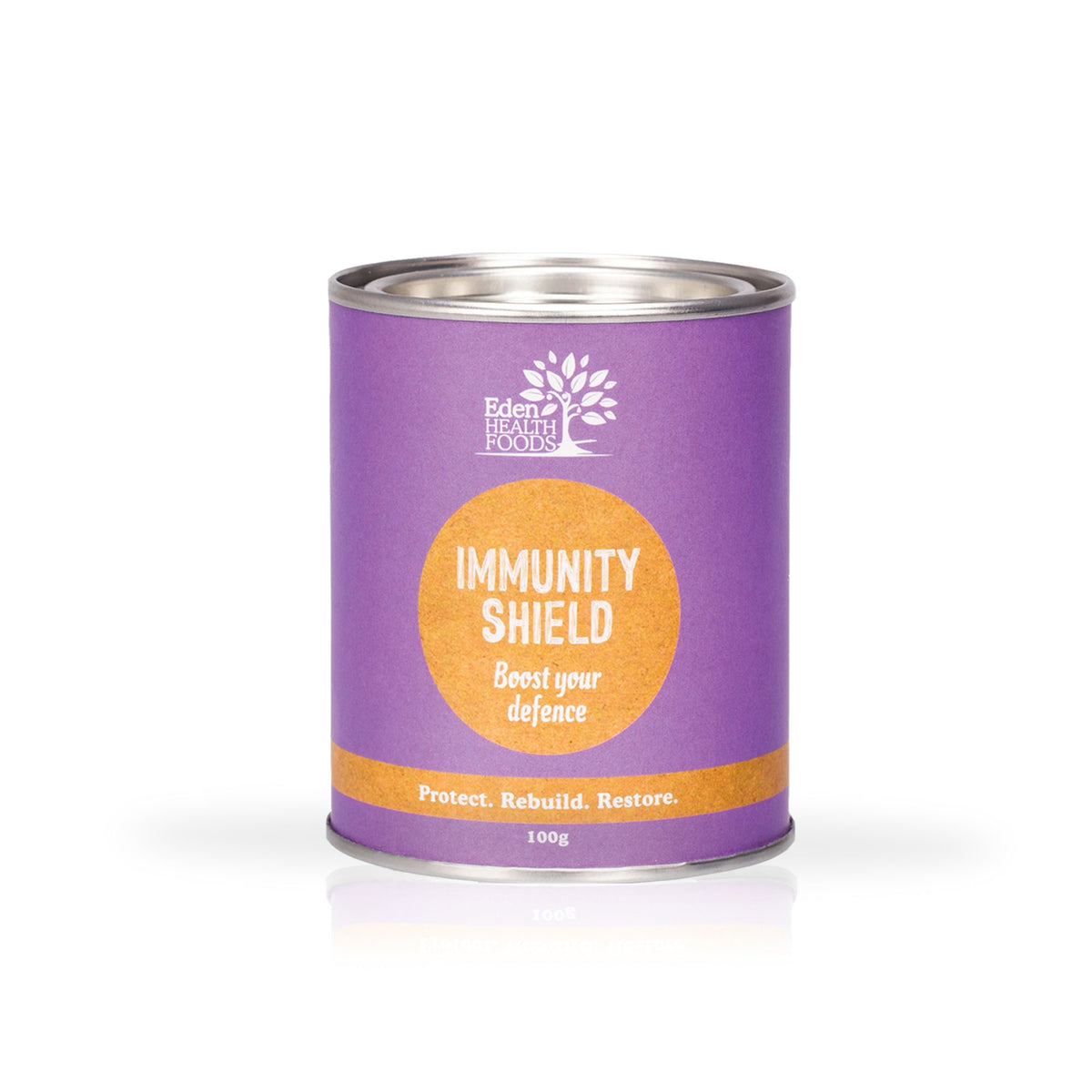
Eden Healthfoods
An echinacea-led formula with goji, rosehip, elderberry and astragalus.
FAQ
Olive Leaf (Olea europaea) is the leaf of the olive tree, an evergreen native to the Mediterranean and one of the oldest cultivated trees in the world. The leaves have been widely used in the folk medicine of the region, most often as an infusion. Today Olive Leaf is taken as a tea or as part of a liquid extract.
Olive Leaf is long associated with seasonal wellness and with the heart and circulation. In Mediterranean folk tradition the leaves are taken as an infusion, and Western herbalists class Olive Leaf as a bitter tonic. The European Medicines Agency notes that very few of its traditional properties have been tested, so we describe how it is used, not what it will do.
Olive Leaf is best known as a herb people reach for when they want a daily bitter tea through the change of season. Most people have a cup once or twice a day through autumn and winter, often alongside herbs such as Echinacea or Astragalus.
Steep 1 to 2 teaspoons of dried Olive Leaf in a cup of just-boiled water, covered, for 10 minutes, then strain. Olive Leaf tea is bitter, so many people add lemon, honey or a little Peppermint. Steeping for a shorter time gives a milder cup.
No. Olive Leaf is naturally caffeine free, so Olive Leaf tea can be drunk at any time of day. It is the leaf of the olive tree, not a true tea, and its bitter, earthy flavour is often compared to a strong green tea.
Olive Leaf tea is bitter and earthy. The bitterness comes from oleuropein, the same compound that is removed from olives when they are cured. Lemon, honey or a little Peppermint all soften it, and a shorter steep gives a milder cup.
Olive Leaf can lower blood pressure, so speak with your doctor if you take blood pressure medication. It may also increase the effects of blood-thinning medicines such as warfarin. Olive Leaf tea is not suitable for people with severe heart or kidney disease who must limit fluids. If you are pregnant or breastfeeding, take medication or have a health condition, check with your health professional first.
It is used as one. Through autumn and winter many people drink Olive Leaf as a daily bitter tea, often with Echinacea or Astragalus, as part of looking after their defences, and that is the main reason it is on our shelves.
The record is more cautious than the habit. The European Medicines Agency accepts Olive Leaf as a traditional herbal medicine only to promote the elimination of water, and says very few of its other traditional properties have been tested. Its main compound, oleuropein, has been studied in the laboratory against bacteria, fungi and viruses, but those are studies in a dish, not in people, so we do not list an immune action for Olive Leaf. We describe how it is used: a seasonal daily cup, bitter, softened with lemon or honey.
Olive Leaf can lower blood pressure: consult your doctor if you take blood pressure medication. It may increase the effects of blood-thinning medication such as warfarin. Olive Leaf tea is not suitable for people who have been advised to limit their fluid intake, for example with severe heart or kidney disease. If you are pregnant or breastfeeding, check with your health professional first.
As described in the monographs cited under Sources.