Uva Ursi Profile
Uva Ursi
Arctostaphylos uva-ursi
For urinary health, bladder support and seasonal cleansing.


Cart
Your cart is empty

Join us in our love of herbs
Uva Ursi Profile
Arctostaphylos uva-ursi
For urinary health, bladder support and seasonal cleansing.
Herbal Intelligence
Uva Ursi (Arctostaphylos uva-ursi), also called Bearberry, is a low, mat-forming evergreen shrub native to northern Europe, Asia and North America. Its small, leathery leaves have been used as a herb since at least the thirteenth century, and its name means 'bear's grape', after the red berries that bears eat.
The taste is bitter and strongly astringent, like an over-brewed black tea. Most people take Uva Ursi as a tea for a few days at a time, and it is the herb our customers reach for when they want short-term support for the bladder and urinary tract.
Uva Ursi grows right around the north of the world, a low shrub of sandy and stony ground(1). Both halves of its botanical name mean 'bear's grape', first in Greek and then in Latin, and bears do eat the fruit, in autumn and again in early spring(1). In North America the plant is called kinnikinnick(1, 2).
Its use as a herb is old. The leaf is first documented in the thirteenth century, in the Welsh texts of the Physicians of Myddfai, and it seems to have been a northern folk remedy long before it reached central Europe(3). Clusius described it in 1601 and Linnaeus in 1749, and from the early nineteenth century it was in official use(3). Native American peoples used the leaf as well, and on both continents it was a herb for the urinary tract(1, 3).
The leaf is still an accepted herbal medicine in Europe today, on the strength of that long-standing use(4).
Uva Ursi leaf (Arctostaphylos uva-ursi) contains phenolic glycosides, notably arbutin, together with hydroquinone derivatives, tannins, flavonoids and triterpenoids(5, 6). In the laboratory these compounds have been examined for antioxidant, astringent and antimicrobial activity, including activity against bacterial strains(6, 7) and bacterial biofilms(6).
In Western herbalism Uva Ursi is classed as an astringent and a diuretic, with a long reputation as a herb for the bladder and urinary tract. It is a short-course herb. Herbalists use it for a few days at a time, often blended with softer herbs such as Corn Silk and Marshmallow, and do not suggest it as an everyday tea.
The European Medicines Agency accepts the leaf as a traditional herbal medicine for the symptoms of mild, recurring lower urinary tract complaints in adult women, once a doctor has ruled out anything serious, and for no longer than one week(4). That standing rests on long use. The Agency notes that no clinical studies of Uva Ursi on its own are available(3, 4). So we describe how it is used, not what it will do.
Clinically reviewed by Tamara Welsh, BSc, AdvDipWHM, ATMS, Clinical Herbalist ·
This profile is intended as a researched educational guide and does not replace the broader perspective of a herbal consultation.
In everyday life
Uva Ursi leaf is used in three main ways.
Uva Ursi is a short-term herb: a few days at a time, and no longer than a week.
The bear's grape.
Hold a dried leaf, small, leathery and glossy. The name means bear's grape in Latin, and bears do eat the red berries; the plant creeps over cold, rocky ground across the whole northern hemisphere.
Soak the leaves in cold water for several hours, the old European way, or steep them hot for ten to fifteen minutes. Uva ursi is for short courses only.
Sip slowly. A low plant on hard ground, eaten by bears and brewed by people for centuries. What holds its ground in your life, quietly?
Shop
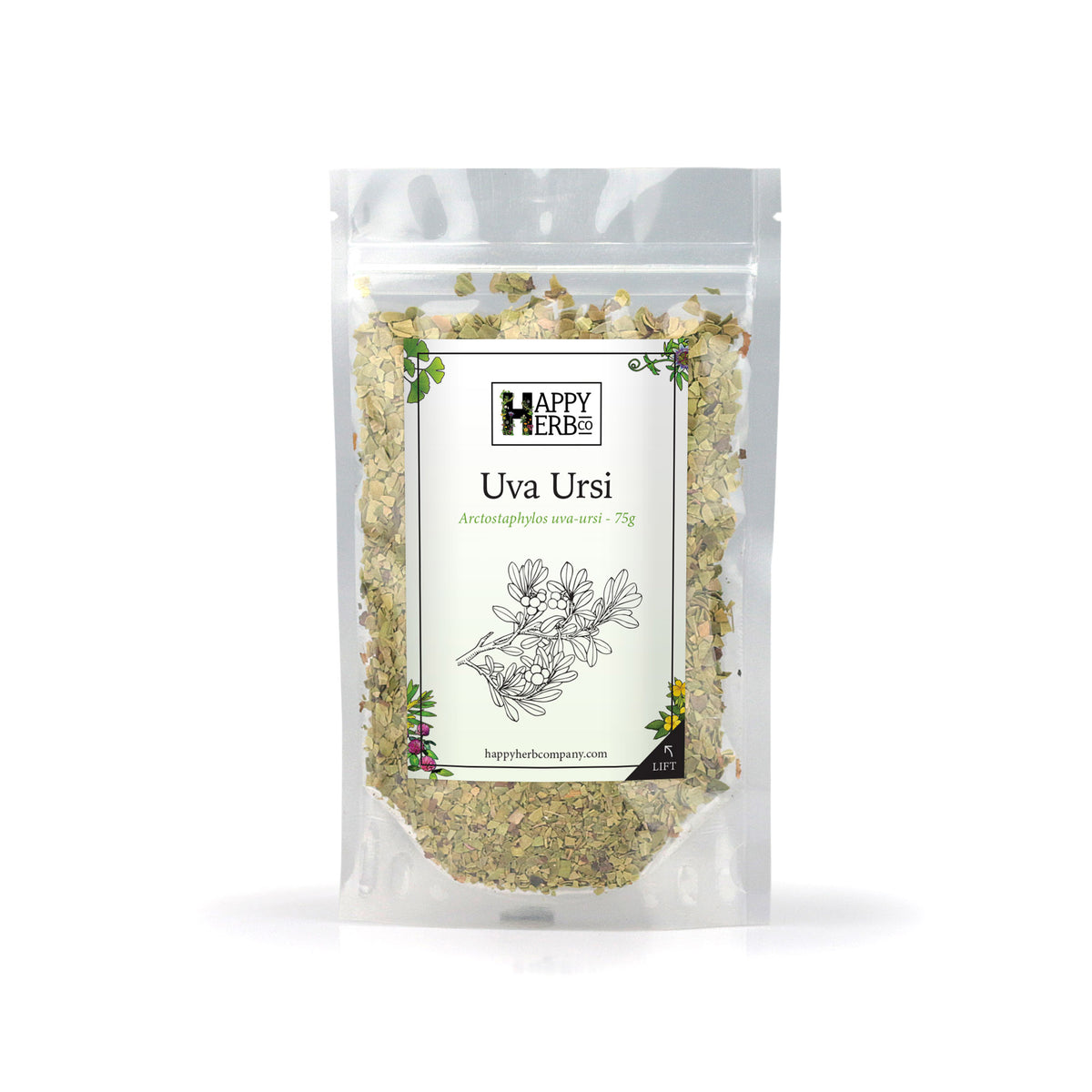
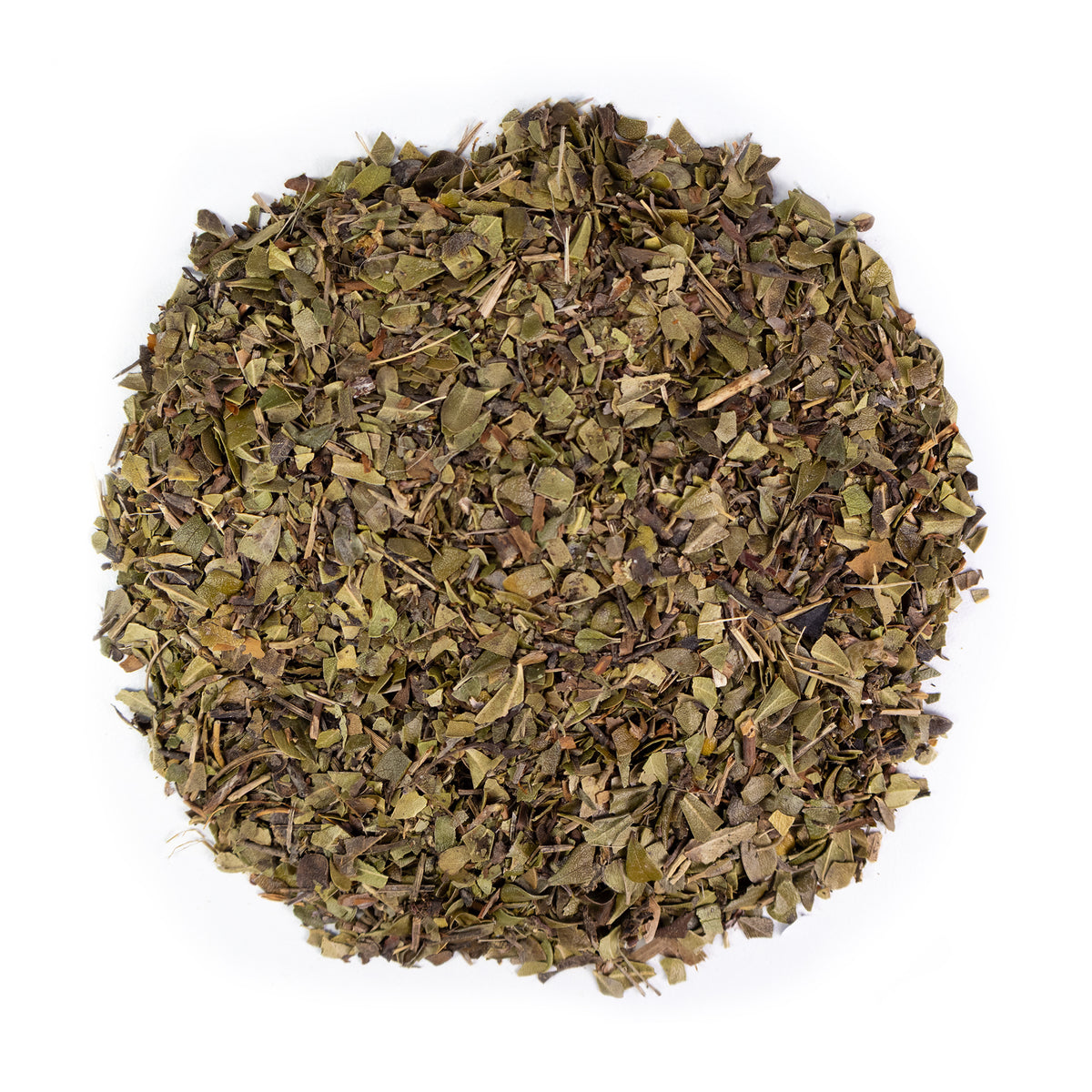
Single Herb
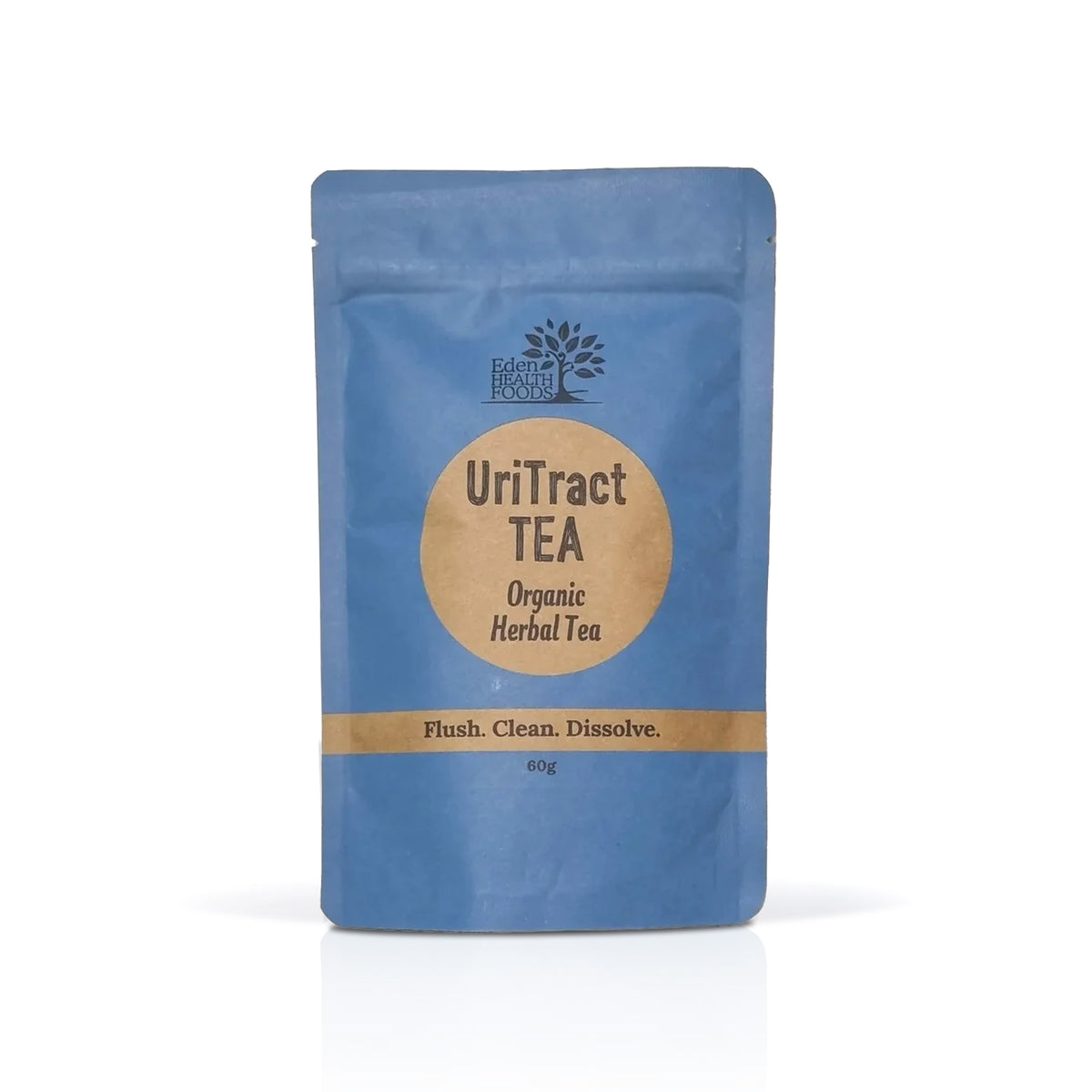
Eden Healthfoods
A mild tasting tea of juniper berries, corn silk, bearberry and horsetail.
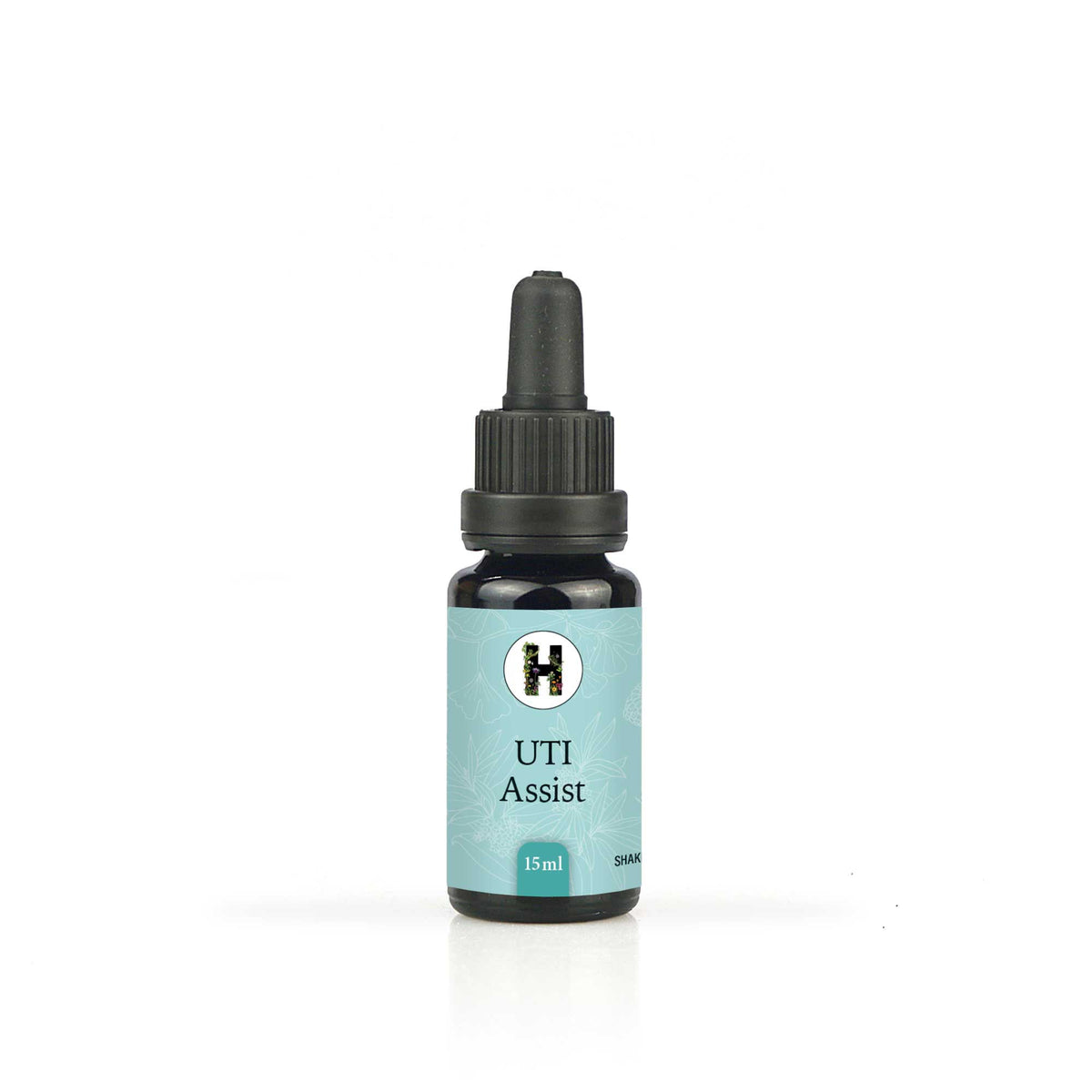
Spagyric
Uva ursi, kava, juniper berry, nettle leaf and horsetail in one spagyric.
FAQ
Uva Ursi (Arctostaphylos uva-ursi), also called Bearberry, is a low evergreen shrub native to northern Europe, Asia and North America. Its small, leathery leaves have been used as a herb since at least the thirteenth century, and the name means 'bear's grape'. Today Uva Ursi is taken as a tea, for a few days at a time.
Uva Ursi is long associated with the bladder and urinary tract. In European and Native American tradition the leaf is taken as a short-term tea, and Western herbalists class it as an astringent and a diuretic. The European Medicines Agency notes that no clinical studies of Uva Ursi on its own are available, so we describe how it is used, not what it will do.
Uva Ursi is best known as a herb people reach for when they want short-term support for the bladder. Most people take the tea up to three times a day for a few days, and no longer than a week. If symptoms last more than four days, get worse, or come with fever or pain, see your doctor.
Pour a cup of just-boiled water over 1 to 2 teaspoons of dried Uva Ursi leaves, cover, and infuse for 10 to 15 minutes, then strain. Steep it, do not simmer it, as boiling draws out more of the tannins. The tea is bitter and astringent, and a little honey softens it.
No. Uva Ursi is naturally caffeine free. Its strong, drying taste comes from tannins, which make up 10 to 20 per cent of the leaf, not from caffeine. Being caffeine free does not make it an everyday tea, though: Uva Ursi is taken for a few days at a time.
No. Uva Ursi is a short-term herb, not a daily tea. The European Medicines Agency says it should not be taken for longer than one week, and older European monographs add no more than five times a year without medical advice. If you feel you need it more often than that, speak with your doctor.
Avoid Uva Ursi during pregnancy and breastfeeding, if you have kidney disease, and for children under 12. Short-term use only is recommended. The European Medicines Agency reports nausea, vomiting and stomach ache as side effects, and does not recommend it for men or for anyone under 18 without medical advice. If you take medication or have a health condition, check with your health professional first.
Short term use recommended. Avoid during pregnancy or lactation. Do not take if you have kidney disease or if you are under 12 years old.
As described in the monographs cited under Sources.