Guarana Profile
Guarana
Paullinia cupana
For clean energy, mental alertness and physical endurance.


Cart
Your cart is empty

Join us in our love of herbs
Guarana Profile
Paullinia cupana
For clean energy, mental alertness and physical endurance.
Herbal Intelligence
Guarana (Paullinia cupana) is a climbing vine of the soapberry family, native to the Amazon basin. Its seeds hold more caffeine than those of any other plant, and the Sateré-Mawé people of the Brazilian Amazon have grown, roasted and drunk Guarana for centuries.
The taste is bold, bitter and earthy. Most people stir the powder into water or juice, or take it as a liquid extract or in capsules, and it is the herb our customers reach for ahead of a long drive, a late night or a big day, when they want to stay alert.
Guarana was domesticated in the forests between the lower Tapajós and lower Madeira rivers of the Brazilian Amazon(1). The Sateré-Mawé, who still grow it along the Maués River, tell how the first vine sprang from the eye of a murdered boy: the ripe fruit splits open to show a black seed set in white flesh, very like an eye(1).
In the late seventeenth century the Jesuit missionary João Felipe Betendorf wrote that the Sateré-Mawé valued Guarana as Europeans valued gold, because the drink let hunters go from one day to the next without feeling hungry(1).
The old method is still in use. Roasted seeds are pounded, shaped into sticks and cured over smoke, and the hard stick is grated into a gourd of water, by custom with the bony tongue of the pirarucu fish(1). The drink is called çapó, and the bowl is passed between host and guests(1). In 1909 Guarana also became a Brazilian soft drink(1).
Guarana is the roasted, powdered seed of Paullinia cupana. It is naturally rich in methylxanthines, especially caffeine, along with theobromine and theophylline, and it also contains condensed tannins, saponins and other polyphenols(2). The methylxanthines are stimulants of the central nervous system(3), and the tannins and polyphenols are studied in the laboratory for their antioxidant activity(2).
In Western herbalism Guarana is classed as a stimulant: a herb for alertness and stamina, taken as coffee and tea are, and for the same reason, its caffeine. The seed also holds tannins and other polyphenols(2), and many people describe its lift as steadier and longer than coffee's, though research has not established this.
People take it before long drives, study sessions, shift work, sport and nights of dancing. It is best kept to the first half of the day and counted alongside any other caffeine.
Research on Guarana itself, beyond what is known about caffeine, is limited. A 2022 review found that studies in people are still lacking(3), and a 2023 analysis of eight trials found no overall effect on thinking tasks, apart from slightly faster reaction times(4). We describe how it is used, not what it will do.
Developed and reviewed by Laura GraceClinically reviewed by Tamara Welsh, Clinical HerbalistLast reviewed
This profile is intended as a researched educational guide and does not replace the broader perspective of a herbal consultation.
★★★★★
4.9 out of 5, from 8 reviews
Love it!
I've written a review for this on the past but it's still one of my staples. With a busy life with kids and not a coffee drinker, a capsule of this is a perfect little energy boost and I can still sleep after a night out when Ive had a few extra as I don't drink 😁
Hi there, thank you for taking the time to leave us a review! We're so glad to hear that our Guarana has become a staple in your busy life. It's great to know that it provides you with the perfect energy boost, especially since you're not a coffee drinker. We're also happy to hear that it doesn't keep you up at night after a few extra capsules. Thank you for choosing Guarana as your go-to energy solution!
I usually add a teaspoon or two in my protein shake after gym for an extra kick to start my day. First time I had some, I was bouncing off the walls until 2pm then crashed hard haha. Take it easy when beginning! Mixed in with a coffee also works, although I find it gives a grainy texture, sinks to the bottom and gets in the teeth.
A great natural alternative to my energy drink additction!
I don't drink coffee, never been able to stomach it but with 4 kids and a busy life I often need that morning or afternoon upper! This does the job 👌
I love mixing guarana into my hot chocolate (raw cacao & maca powder). Makes a delicious energy boosting warm drink, which is exceptionally good on a cold day :)
I have found Guarana (and yerba mate) to work much better than coffee for me personally as I don't get the feeling of increased heart rate, plus coffee does nothing for me energy or focus wise.
Hi Alyssa,
Thank you very much for your review! We are happy to hear you are enjoying the Guarana and that it is helping you naturally energize, without the jitters. It is so helpful for a clean, focused energy that last throughout the whole day without the inconvenient crash and burn of coffee! Also great idea about mixing it into hot chocolate with another potent adaptogen - maca- and the heart opening cacao.We want to try some!
Your feedback really helps other customers connect to the best products, as well as helps us optimize our offerings to make them the best they can be. Thanks for taking the time to provide some feedback.
Have a happy & healthy day!
- Happy Herb Co
In everyday life
Guarana seed is taken in three main ways.
Guarana contains caffeine, so most people take it in the morning or early afternoon and count it alongside any coffee or tea they drink that day.
Seeds like open eyes.
Look at a guarana seed if you can, black inside a red husk, which is why the Sateré-Mawé people of the Amazon tell a story of a child's eyes planted in the ground.
Stir half to one teaspoon of the powder into juice or a smoothie in the morning, and no later. Guarana carries more caffeine than coffee, and it lasts.
Sip slowly. Energy is a resource, not a mood. What do you want to spend today's on?
In the Botanical Guides
Shop
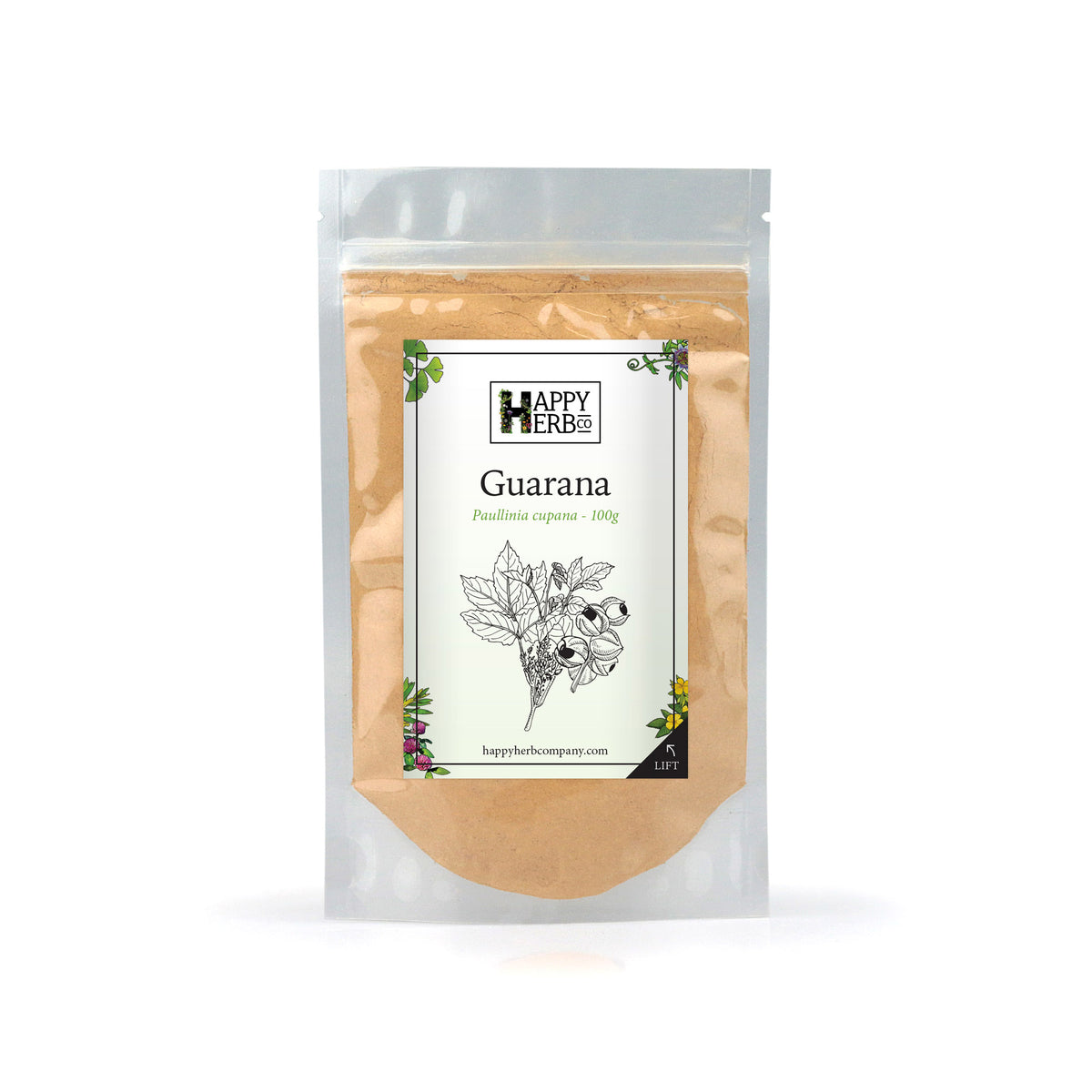
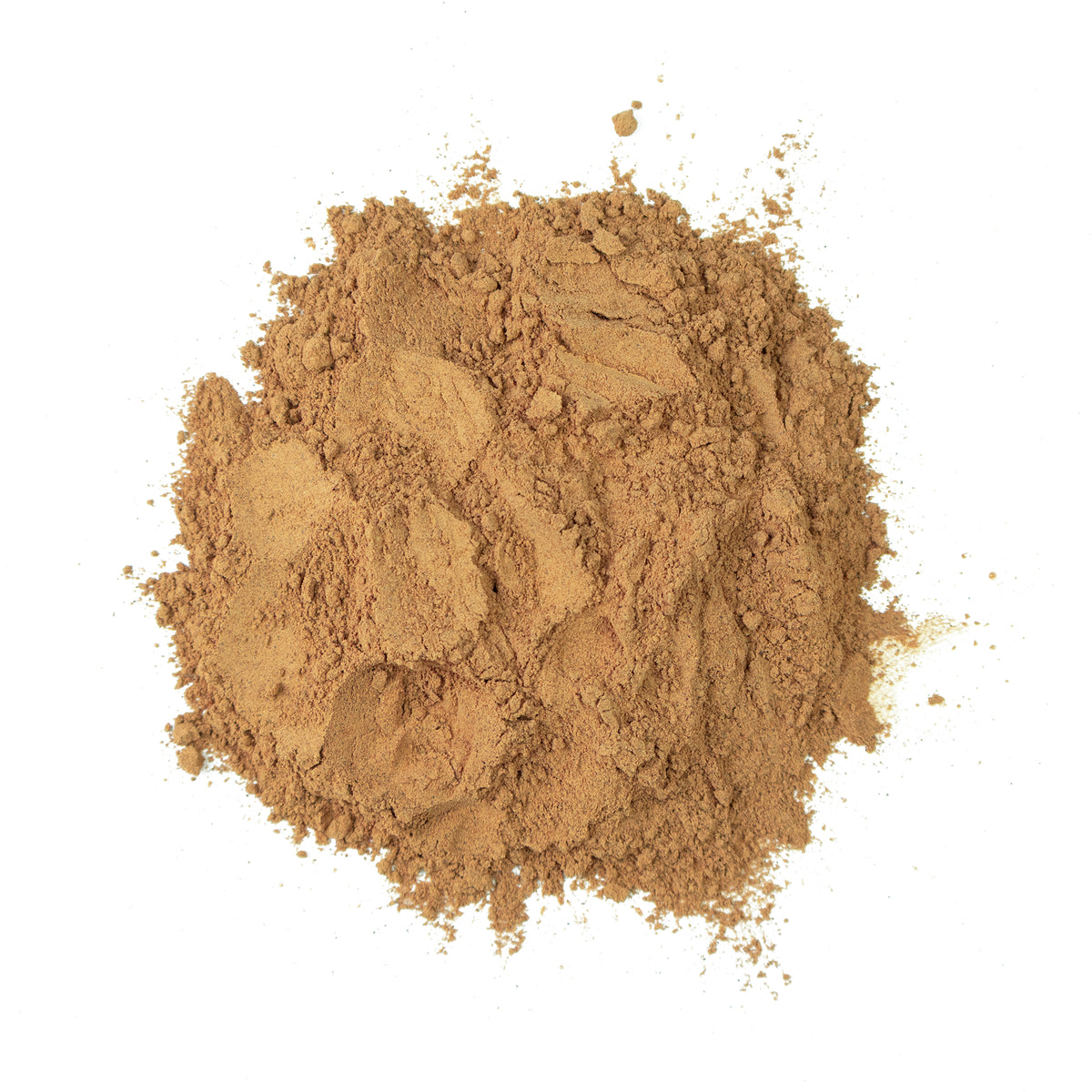
Single Herb
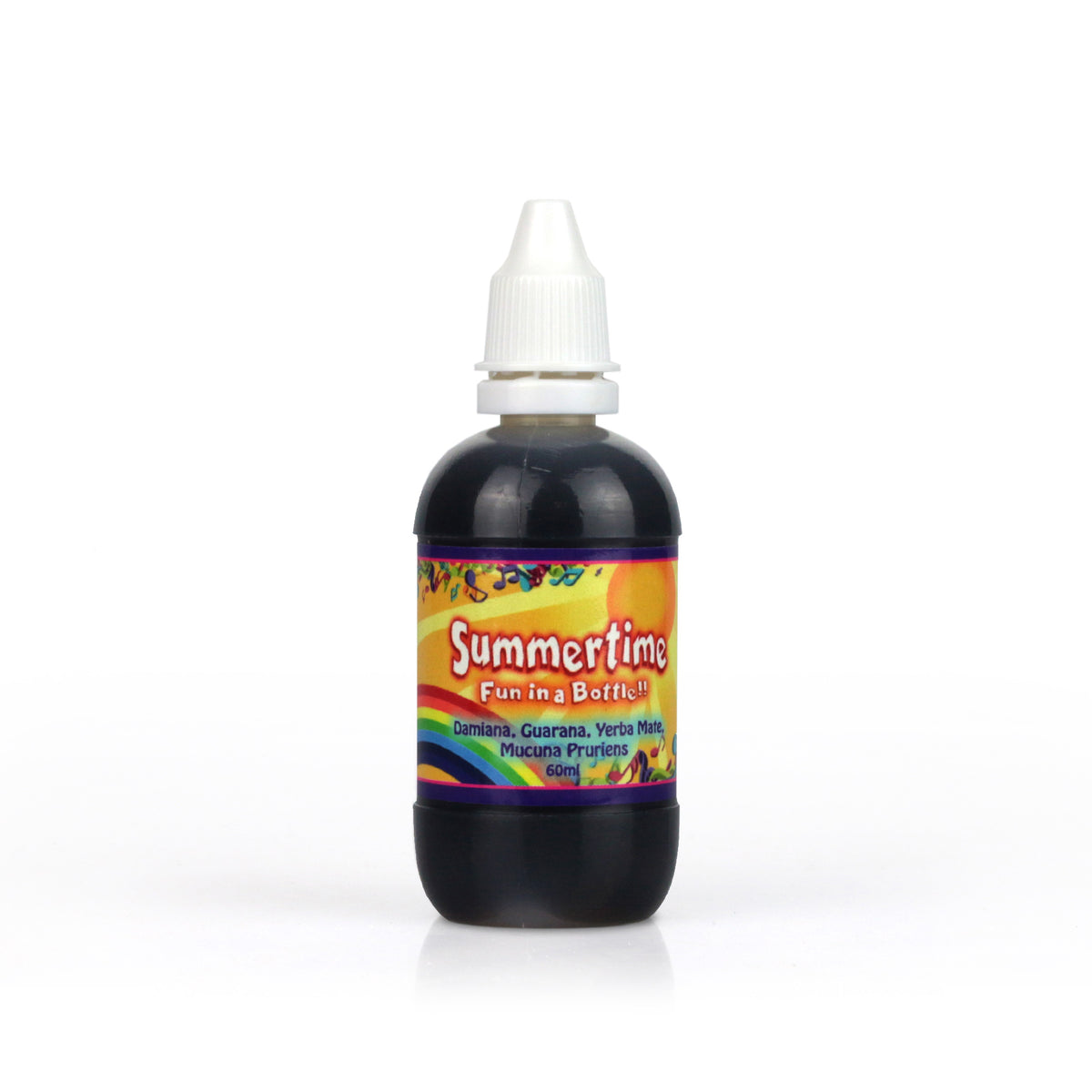
Tea Elixir
A liquid extract of damiana, guarana, yerba mate and mucuna.
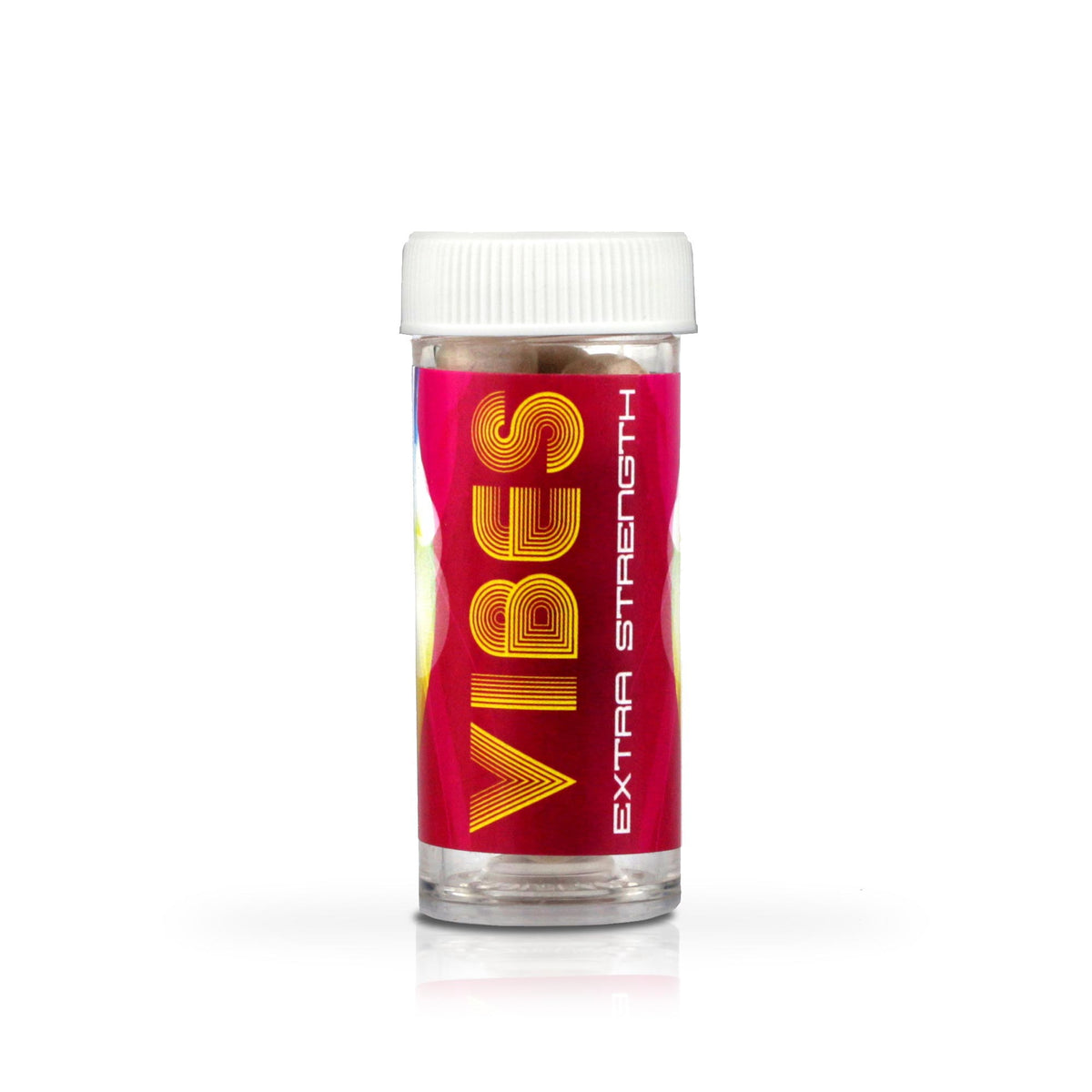
Capsules
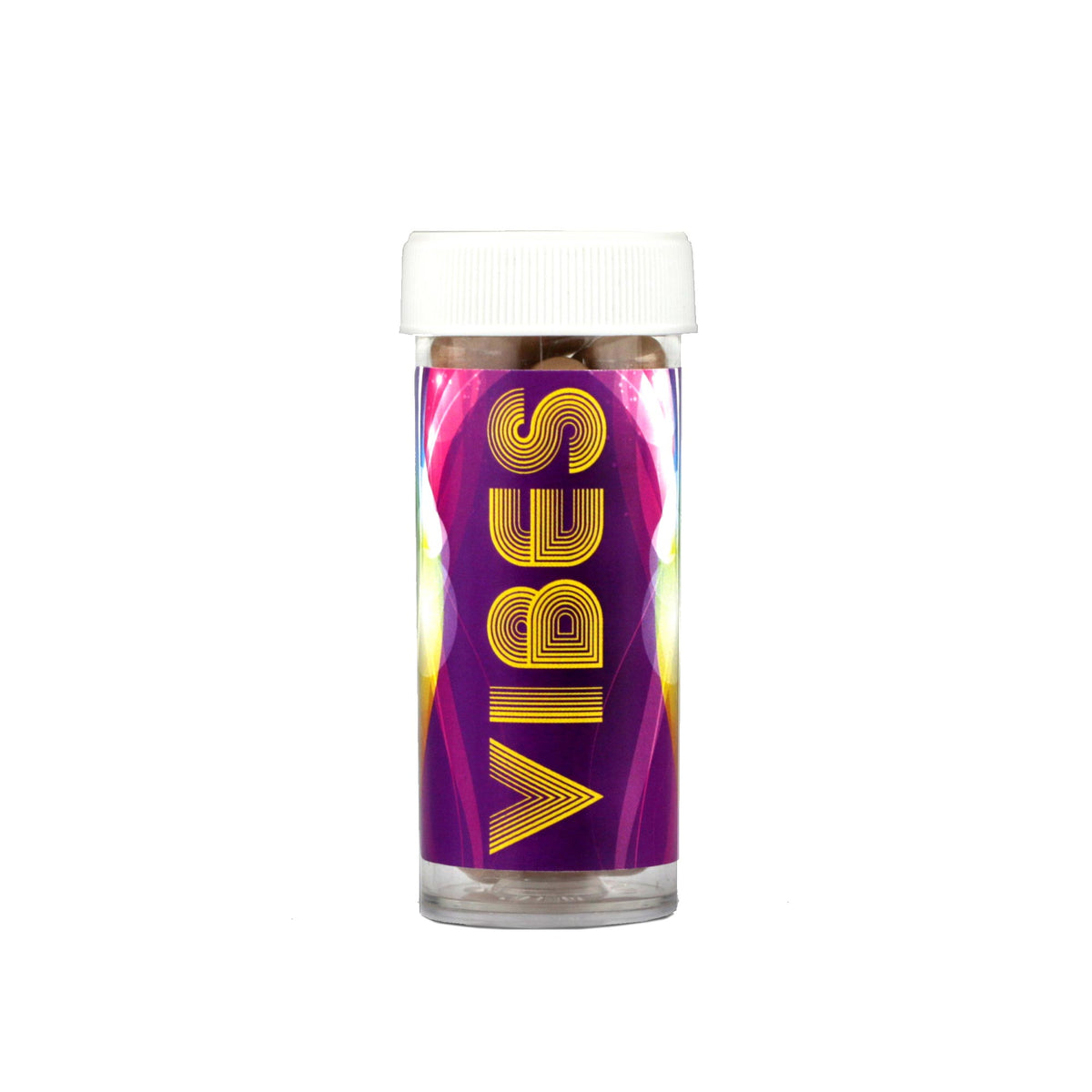
Capsules
Capsules of guarana, mucuna, coffee and Siberian ginseng, 12 per bottle.
FAQ
Guarana (Paullinia cupana) is a climbing vine of the soapberry family, native to the Amazon basin. Its roasted, ground seeds are naturally rich in caffeine and have been drunk by the Sateré-Mawé people of Brazil for centuries. Today Guarana is taken as a powder stirred into water or juice, as a liquid extract or in capsules.
Guarana is long associated with energy, alertness and stamina. The Sateré-Mawé of the Amazon have drunk it before hunting and long journeys, and Western herbalists class it as a stimulant. Its main active compound is caffeine. Research on Guarana itself is still limited, so we describe how it is used, not what it will do.
Guarana is best known as a herb people reach for when they need to stay alert for a long drive, a study session or a big day. Most people take it in the morning or early afternoon. Because Guarana contains caffeine, it is best avoided in the evening and counted alongside any coffee you drink.
Stir 1 teaspoon of Guarana powder into a cup of just-boiled water, cover and steep for 10 minutes, or shake it into juice or a smoothie to soften the bitter taste. Start with half a teaspoon if you are sensitive to caffeine. Guarana is also taken as a liquid extract or in capsules, following the directions on the label.
Yes. Guarana seeds contain 2 to 7.5 per cent caffeine, the highest level of any plant and about four times as much as coffee, weight for weight. Count a serve of Guarana as you would count coffee, and take it in the morning or early afternoon so it does not get in the way of sleep.
No, though caffeine is its main active compound. Guarana seed also contains traces of theobromine and theophylline, along with tannins and other polyphenols. Many people say Guarana feels steadier and longer lasting than coffee, but research has not established that it acts differently from the caffeine it contains.
Guarana is not recommended during pregnancy or breastfeeding, or for children and teenagers under 18. Avoid it if you have a stomach ulcer or an overactive thyroid, and use it with caution if you have a heart condition or are sensitive to caffeine. Because of its caffeine, Guarana may interact with lithium, theophylline, clozapine and MAO-inhibitor medicines. If you take medication or have a health condition, check with your health professional first.
It depends on the herb. The caffeine herbs, Guarana, Yerba Mate, Kola Nut and Guayusa, are felt within about an hour, much like coffee.
Adaptogens such as Rhodiola and Ashwagandha are traditionally taken daily for several weeks, and the trials that exist ran for weeks to months. People respond differently, and some notice nothing. Herbs are not interchangeable and there is no single timetable.
Avoid during pregnancy and breastfeeding. Use with caution if you have cardiovascular disease or a sensitivity to caffeine. Not recommended for children and adolescents under 18. Avoid if you have a stomach or duodenal ulcer or an overactive thyroid. Because of its caffeine content, Guarana may interact with lithium, theophylline and clozapine. Use with caution if you take MAO-inhibitor medicines.
As described in the monographs cited under Sources.
Log in or create an account to use your points.