Shiitake Profile
Shiitake
Lentinula edodes
For resilience, nourishment and cooking.


Cart
Your cart is empty

Join us in our love of herbs
Shiitake Profile
Lentinula edodes
For resilience, nourishment and cooking.
Herbal Intelligence
Shiitake (Lentinula edodes) is a brown-capped mushroom native to East Asia, where it grows on the wood of broad-leaved trees. It has been cultivated in China for more than 800 years, and it is now the most widely grown edible mushroom in the world.
The taste is rich and savoury, with a meaty texture. Most people know Shiitake from cooking, and take it as a broth, a liquid extract or a powder stirred into hot drinks. It is the mushroom our customers reach for when they want everyday nourishment and steady resilience through the colder months.
Shiitake was first cultivated in China(1), and it has been used across East Asia for more than two thousand years(2). In Chinese it is xianggu, the 'fragrant mushroom'. Shiitake is its Japanese name, after the shii tree on whose wood it grows.
Mushroom farmers trace the craft to the hills of Zhejiang province and to Wu Sangong (1130 to 1208), a Song dynasty villager still honoured there as the founder of Shiitake growing(1). The method was written down in Wang Zhen's Agricultural Book of 1313: fell a broad-leaved tree, then notch the trunk with a sharp tool so the mushroom can take hold(1).
Log notching was passed down for centuries, until inoculated logs and then sawdust blocks replaced it in the twentieth century(1). Today Shiitake is the world's largest edible mushroom crop by volume, and China grows most of it(1).
Shiitake's best-known compound is lentinan, a polysaccharide built from linked glucose units, one of the beta-glucans(2). The mushroom also contains eritadenine, a purine derivative; the amino acid ergothioneine; and ergosterol, the precursor of vitamin D2(2). Its aroma comes from sulfur compounds, chiefly lenthionine(2). Most clinical work has used isolated lentinan, not the whole mushroom(2).
In Western herbalism Shiitake is classed as an immune tonic and counted among the tonic mushrooms. It sits on the line between food and herb, and is used as both.
People make it part of how they eat: dried caps simmered into broths and soups through the colder months, or a powder stirred into coffee, cacao or a smoothie. It is taken steadily, as nourishment, not at the moment of need.
Research on the whole mushroom is at an early stage. In one small trial, 52 healthy adults ate dried Shiitake every day for four weeks, and several immune markers changed(3). A 2024 review notes that most clinical work has used isolated lentinan, with only a few studies of whole-mushroom preparations(2). So we describe how it is used, not what it will do.
Clinically reviewed by Tamara Welsh, BSc, AdvDipWHM, ATMS, Clinical Herbalist ·
This profile is intended as a researched educational guide and does not replace the broader perspective of a herbal consultation.
In everyday life
Shiitake is used in four main ways.
Shiitake suits everyday use, as part of ordinary meals.
The forest in the soup pot.
Smell a dried shiitake. It is deeper and more savoury than the fresh one, which is why Japanese cooks dry them on purpose, and why the soaking water is never thrown away.
Simmer a few in water or stock for fifteen minutes, then drink the broth and eat the mushrooms. Make it on a cold evening, with bread.
Sip slowly. Drying the mushroom made it better, not worse. What has time and patience improved in you?
Shop
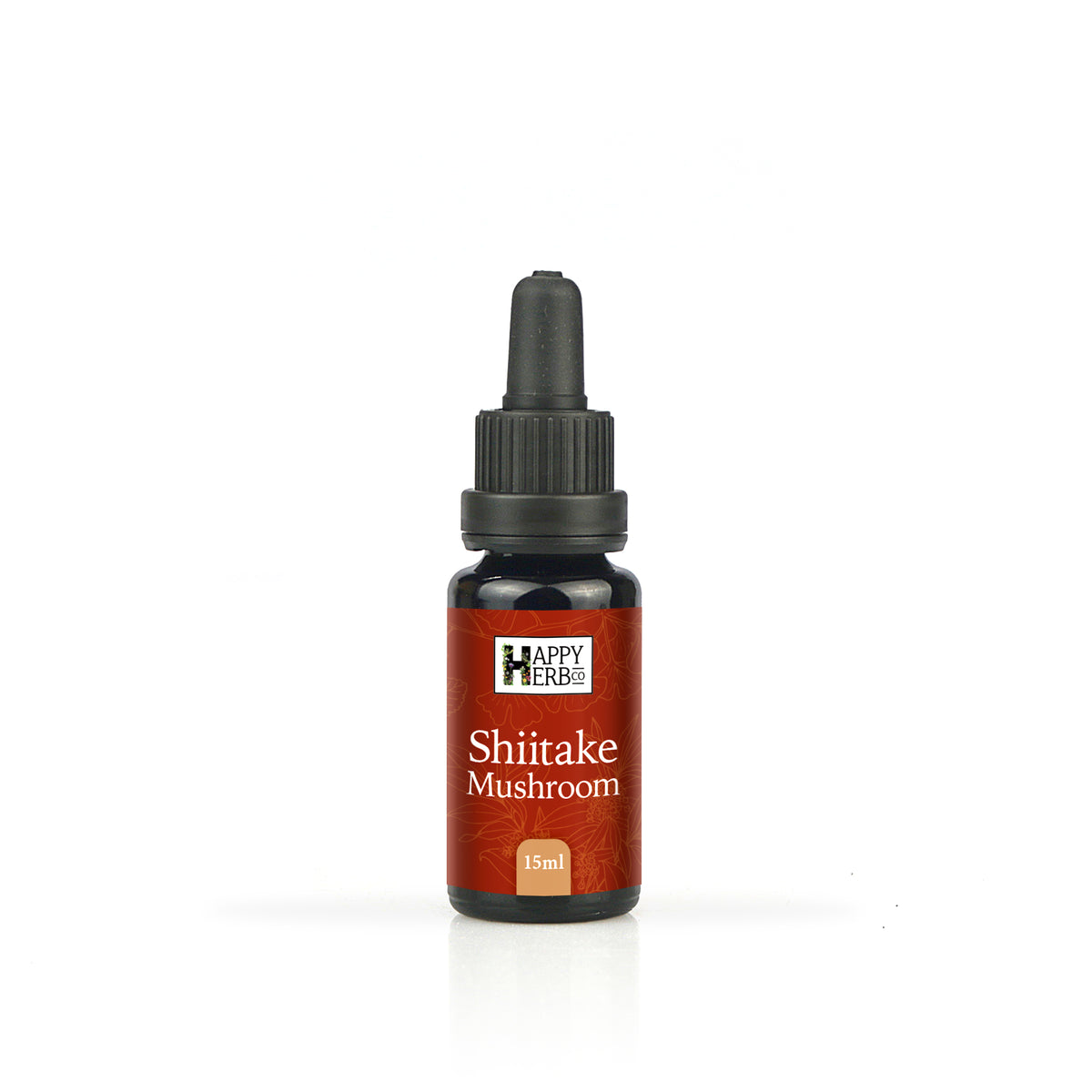
Spagyric
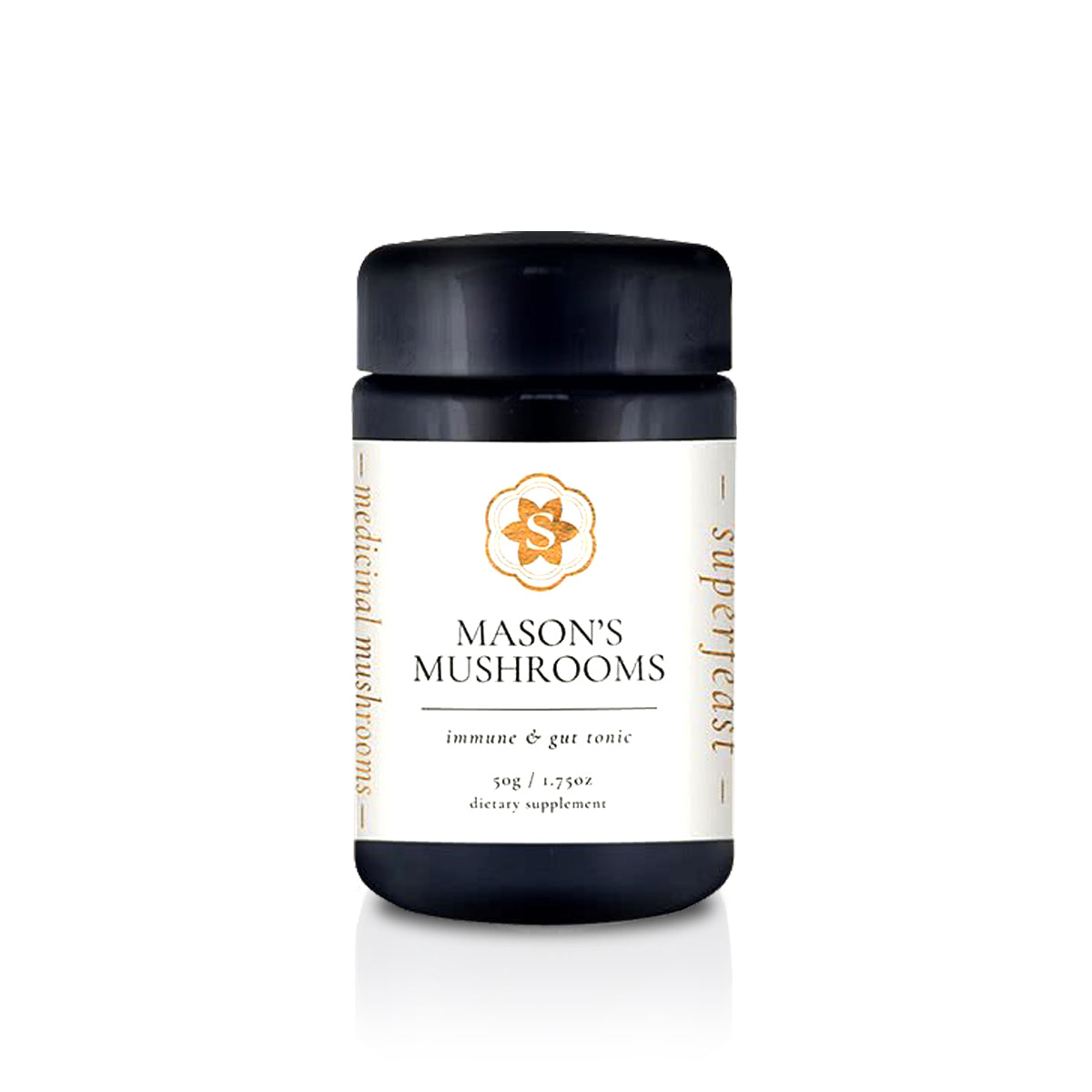
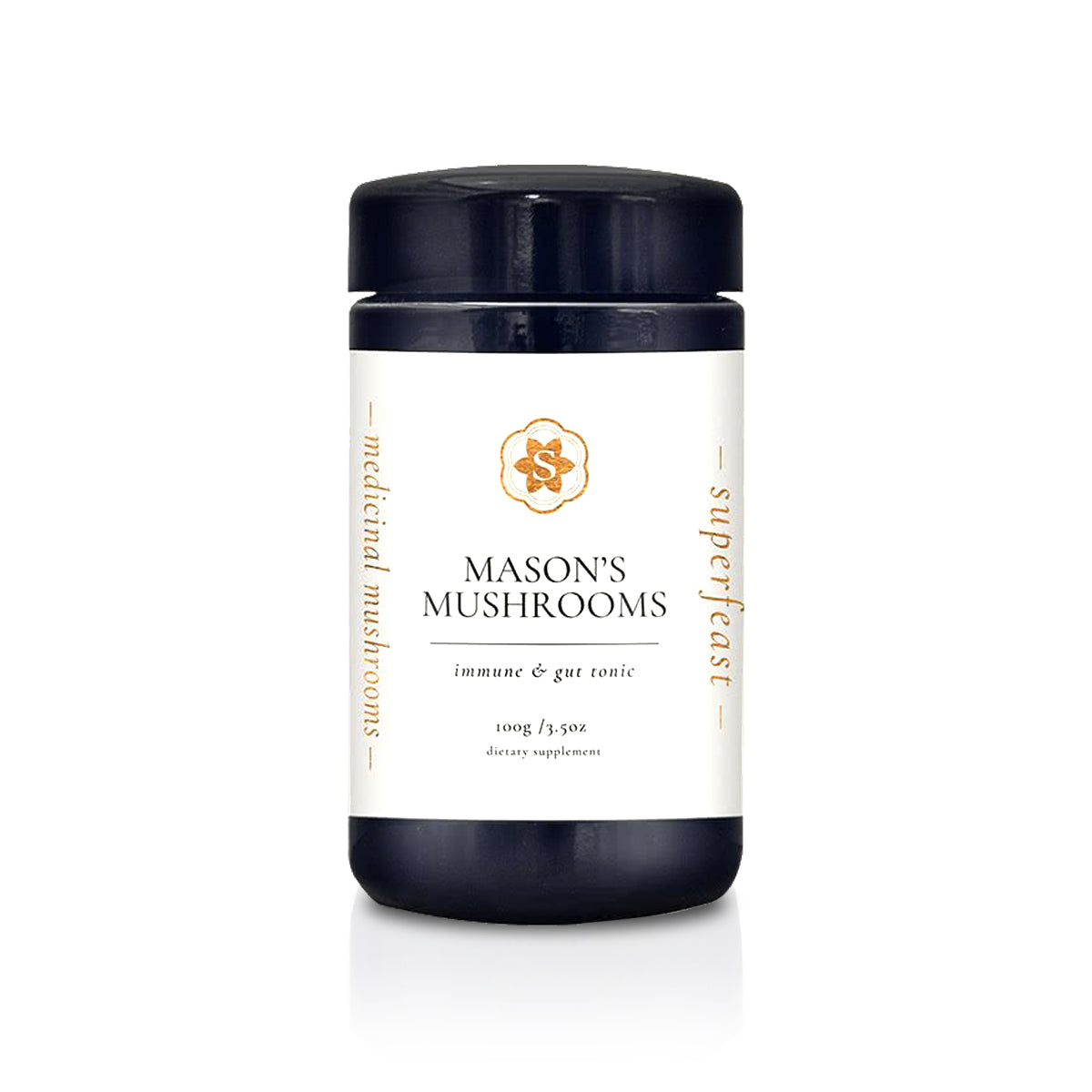
SuperFeast
Eight mushroom extracts, from wild chaga and reishi to lion's mane.
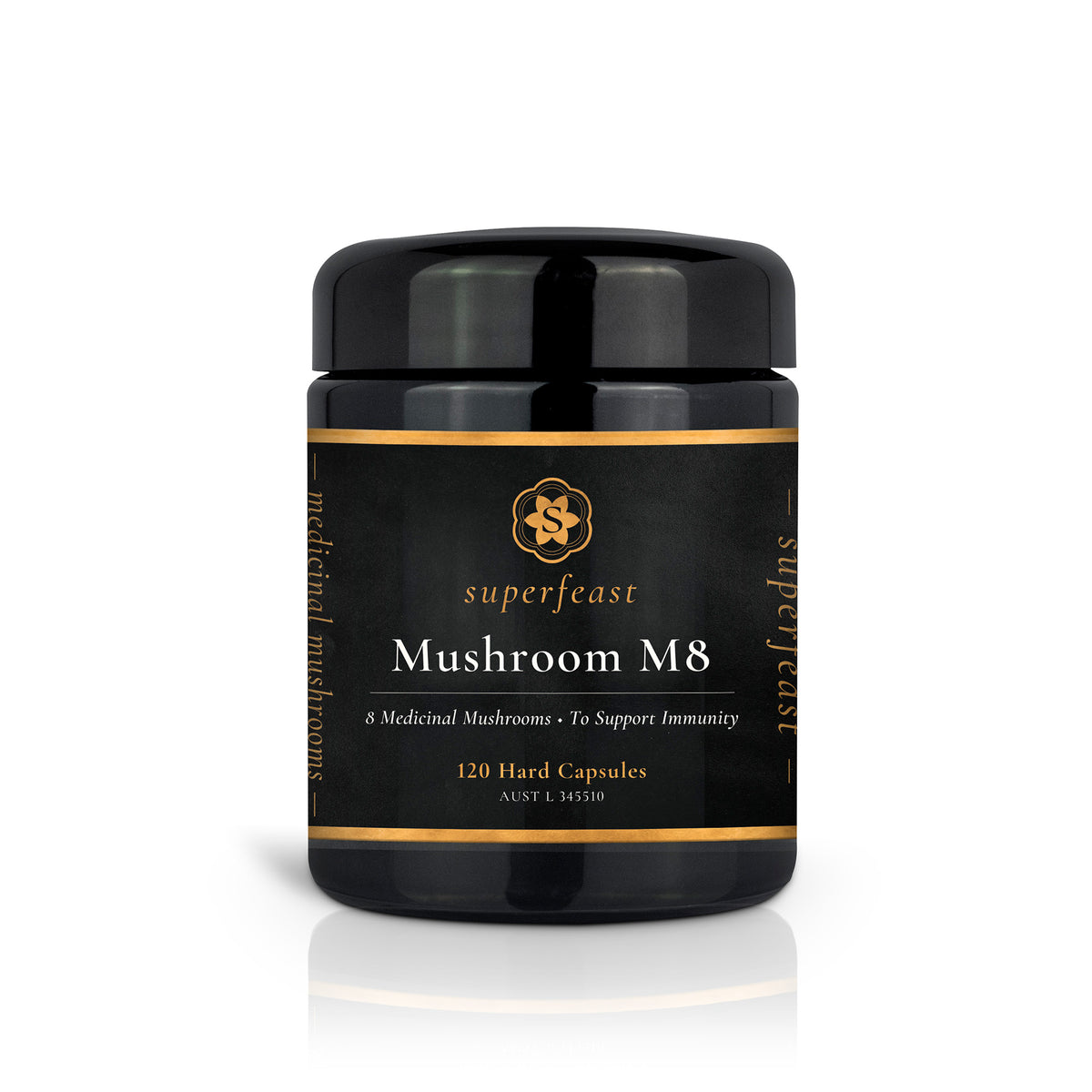
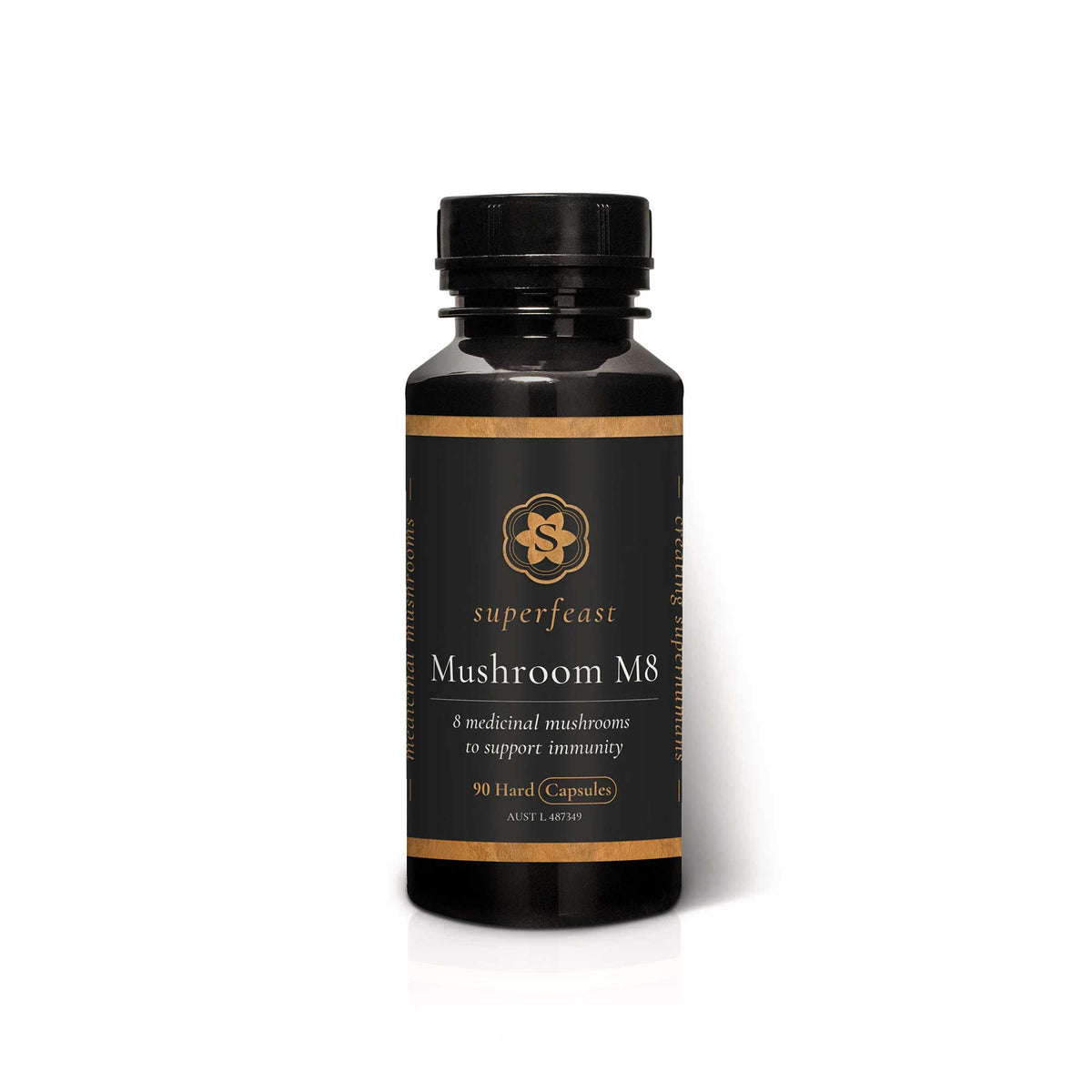
SuperFeast
Eight mushrooms in a capsule, including reishi, cordyceps and maitake.
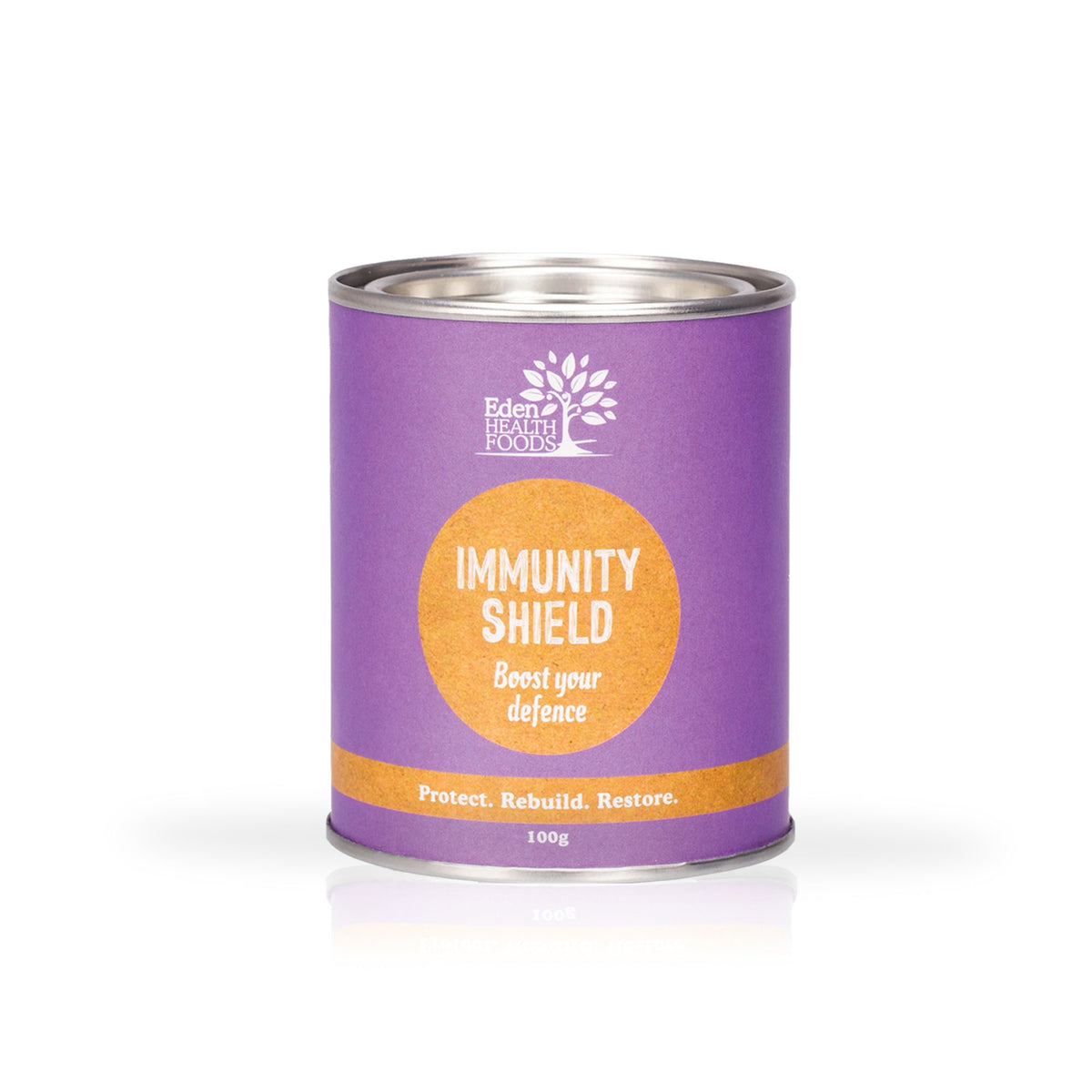
Eden Healthfoods
An echinacea-led formula with goji, rosehip, elderberry and astragalus.
FAQ
Shiitake (Lentinula edodes) is a brown-capped mushroom native to East Asia. It has been cultivated in China for more than 800 years and used across East Asia for far longer, and it is now the world's largest edible mushroom crop. Today Shiitake is cooked as a food, simmered into broths, and taken as a powder or liquid extract.
Shiitake is long associated with nourishment and resilience. It has been used in East Asia for more than two thousand years, as a food and a tonic, and Western herbalists class it as an immune tonic. Research on the whole mushroom is at an early stage, with only a few small studies, so we describe how it is used, not what it will do.
Shiitake is best known as a herb people reach for when they want steady, everyday nourishment through the colder months. Most people take it regularly as part of their meals: dried Shiitake simmered into broths and soups, or a powder stirred into a hot drink each morning.
Simmer a few dried Shiitake in a pot of water or stock for 15 minutes or more, then drink the broth and eat the mushrooms. Shiitake is also taken as a powdered extract stirred into hot drinks or smoothies, in capsules, or as a liquid extract in a little water, following the directions on the label.
No. Shiitake is naturally caffeine free. It is a mushroom, not a tea leaf or a coffee bean, so a Shiitake broth can be taken at any time of day. Many people stir Shiitake powder into coffee or cacao, and those drinks do contain caffeine.
It is best not to. A 2024 review notes that eating raw or uncooked Shiitake can bring on a streaky, itchy skin rash known as shiitake dermatitis, and sometimes fever or diarrhoea. Shiitake is a mushroom for cooking: simmer it into a broth or soup, or cook it through in a stir-fry.
Large daily amounts of Shiitake over a long period can cause diarrhoea in some people. Because Shiitake can lower blood pressure, use it cautiously with blood pressure medication, and stop taking it before any operation that needs a general anaesthetic. Raw or undercooked Shiitake can cause an itchy, streaky skin rash, so cook it well. If you take medication or have a health condition, check with your health professional first.
Large daily amounts over a prolonged period can cause diarrhoea in some people. Because Shiitake can lower blood pressure, use it cautiously with blood pressure medication (antihypertensives), and stop taking it before any operation requiring a general anaesthetic. Shiitake can cause an itchy, streaky skin rash (shiitake dermatitis) in some people, mostly after it is eaten raw or undercooked. Cook it well.
As described in the monographs cited under Sources.