
Herbal Action
Adaptogen
-
What it does
A substance that helps the body resist and adapt to physical, chemical and biological stress.
-
General indications
Being ‘run down’, periods of high stress.
Shop
Shop our Adaptogen Herb Range
-
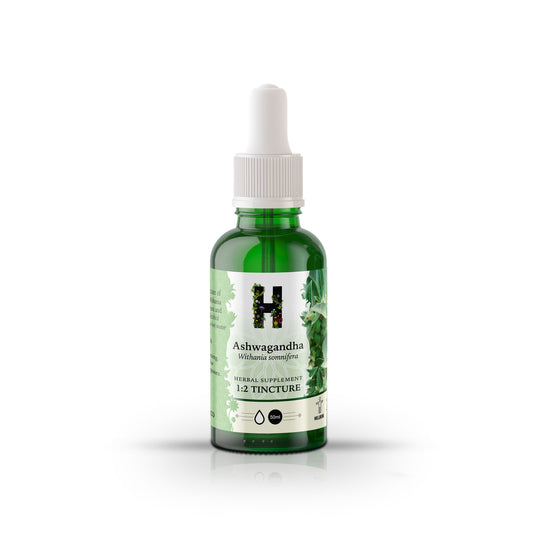
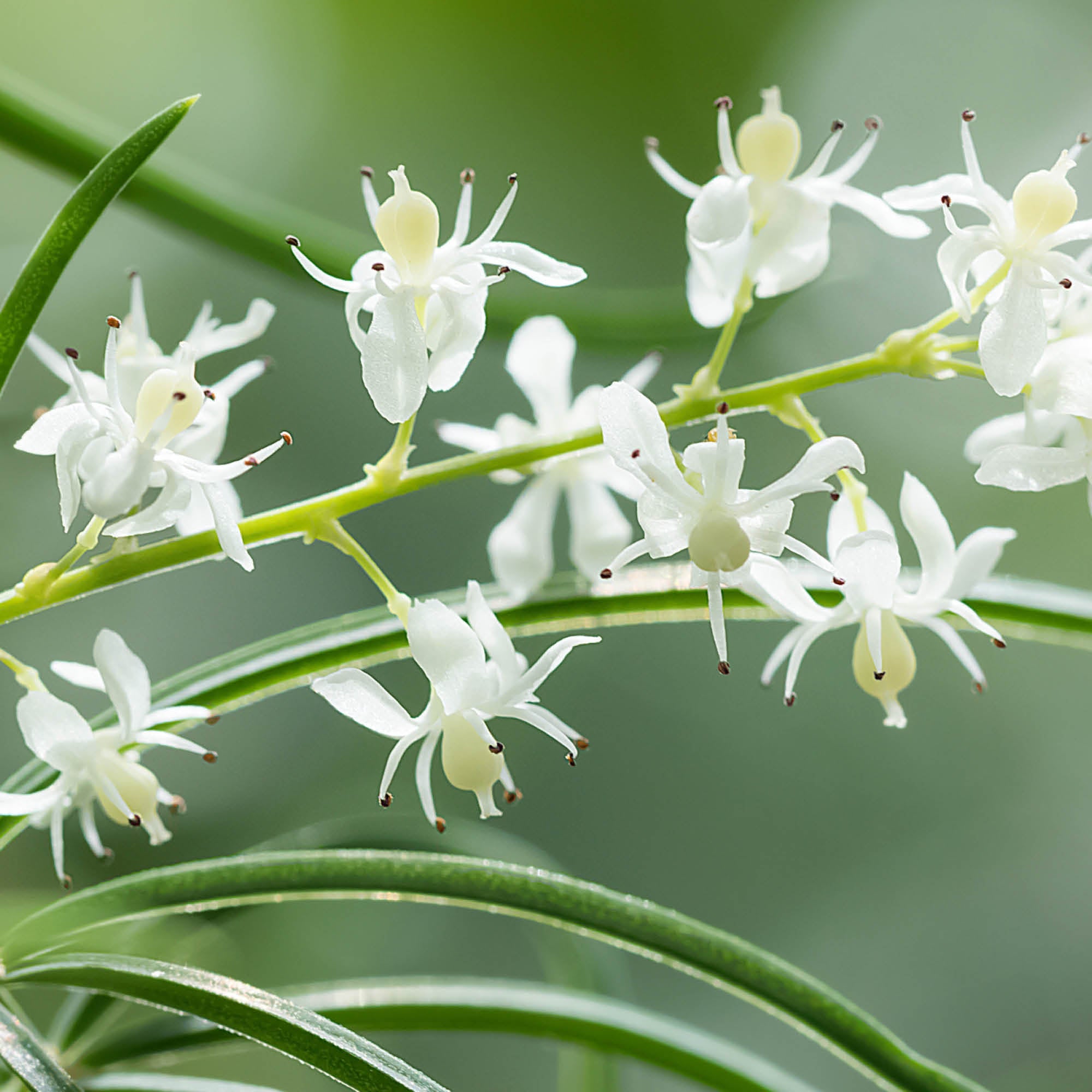
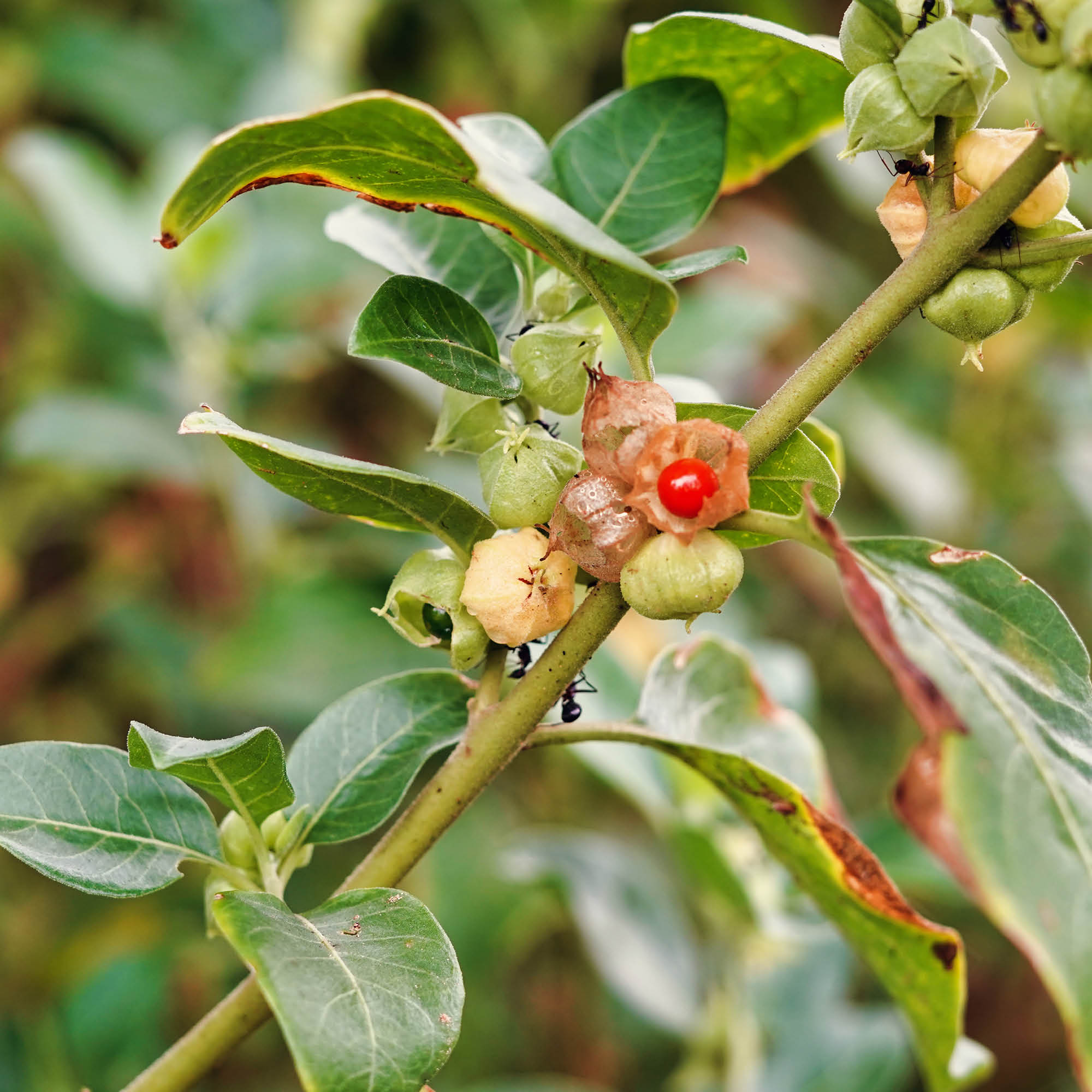
Ashwagandha 1:2 Liquid Herb
Vendor:Happy Herb CoRegular price $36.00 AUDRegular priceUnit price / per -
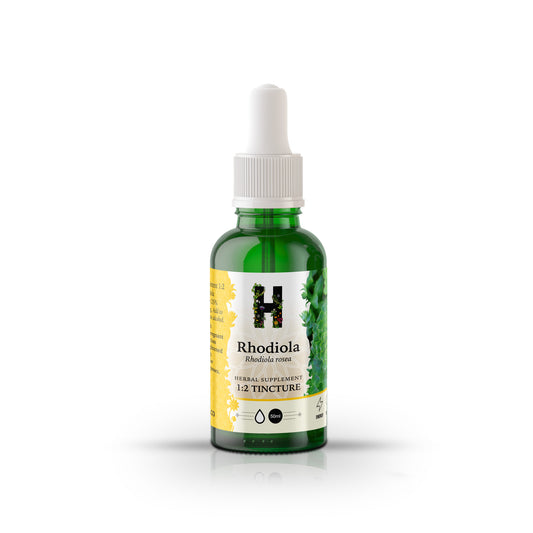
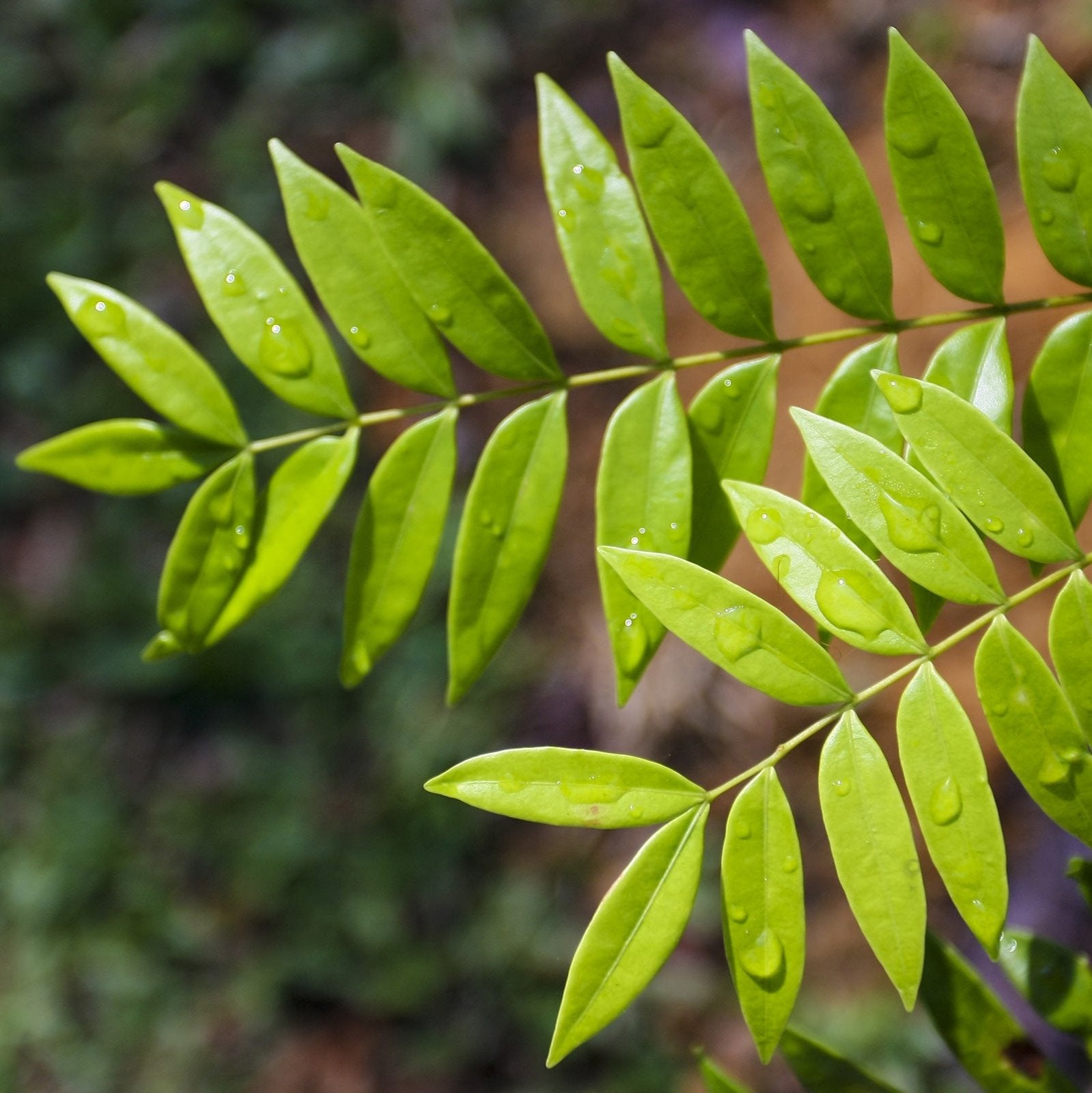
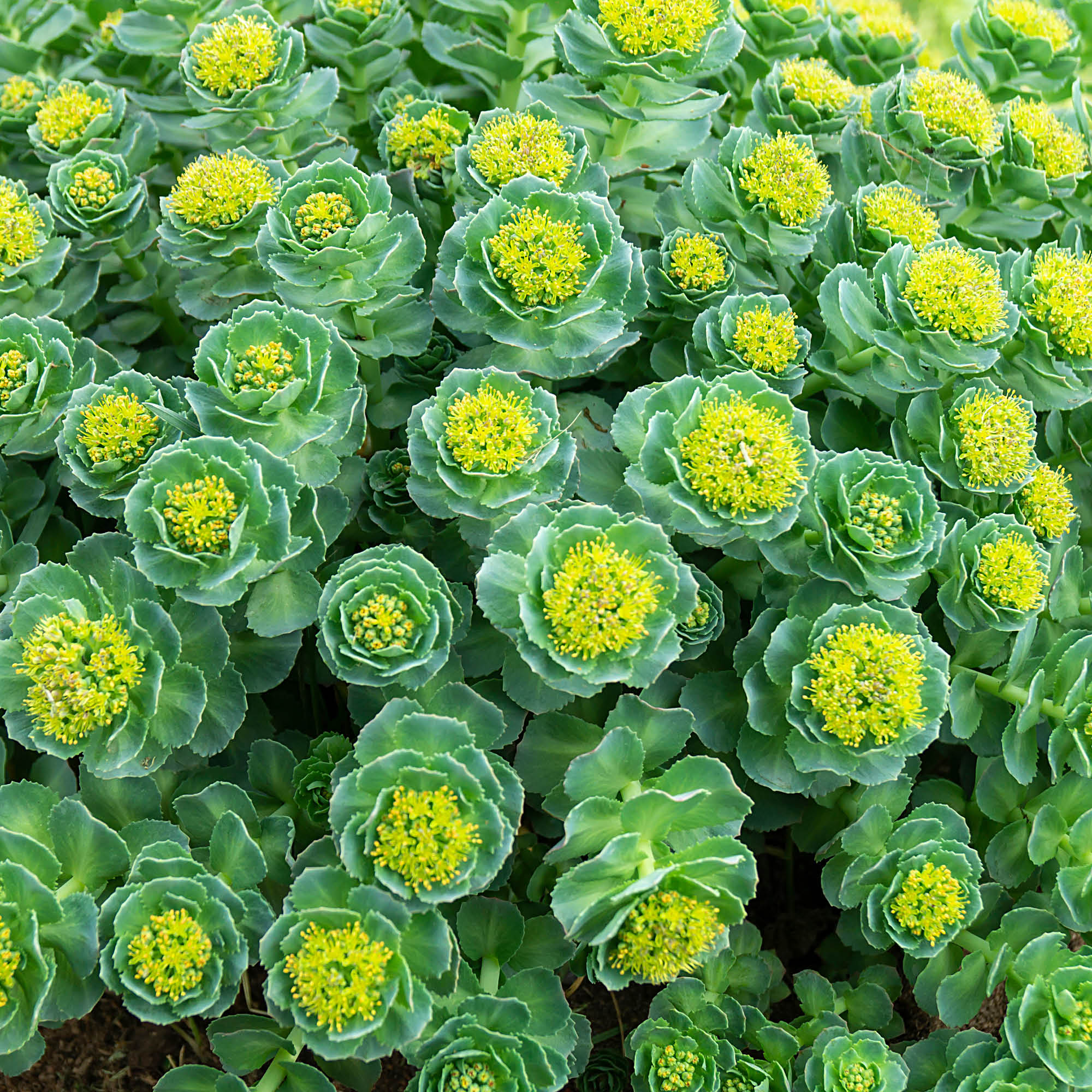
Rhodiola 1:2 Liquid Herb
Vendor:Happy Herb CoRegular price $42.00 AUDRegular priceUnit price / per -
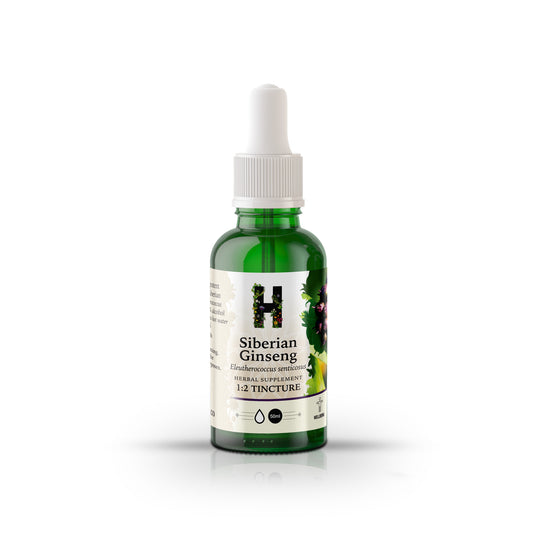
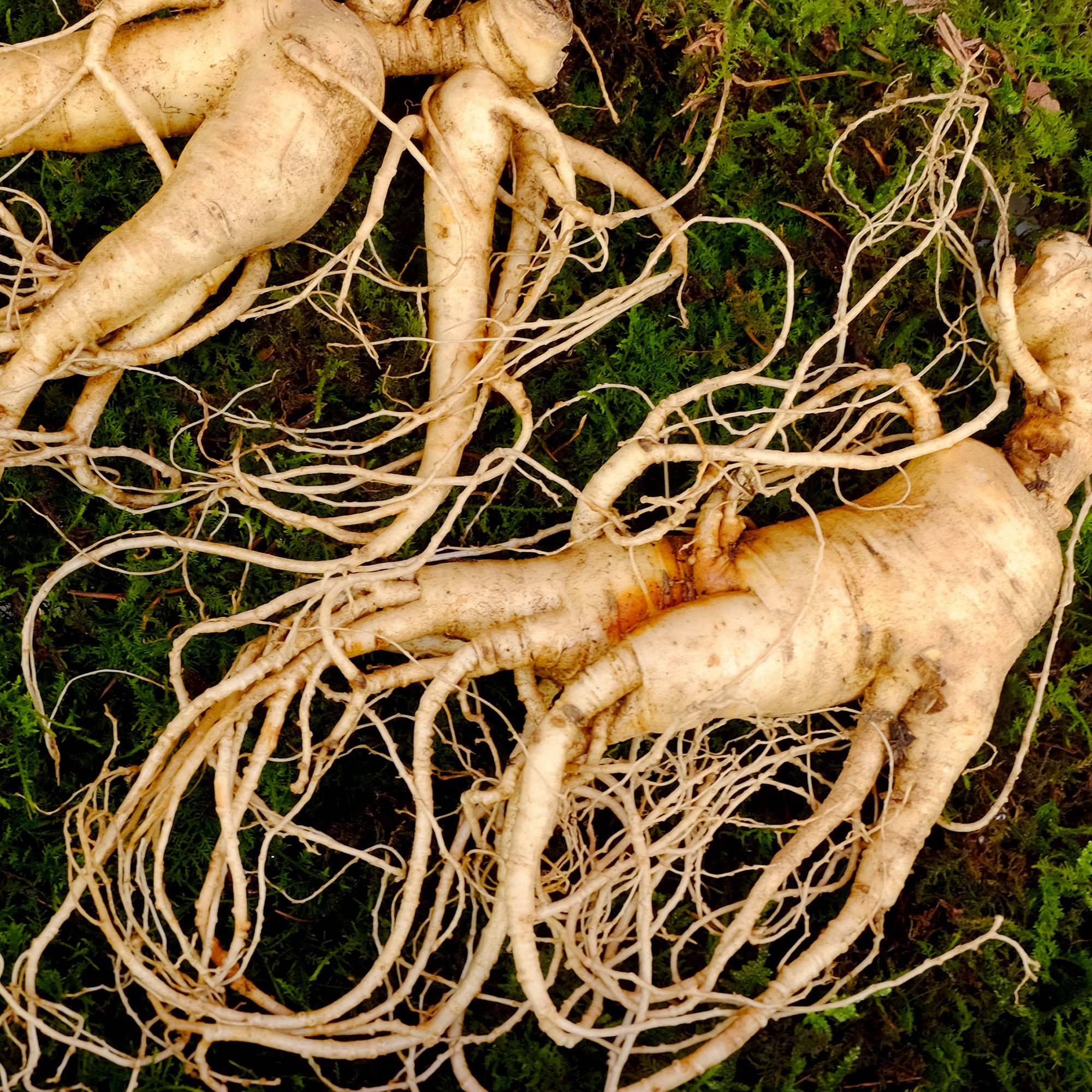
Siberian Ginseng 1:2 Liquid Herb
Vendor:Happy Herb CoRegular price $36.00 AUDRegular priceUnit price / per -
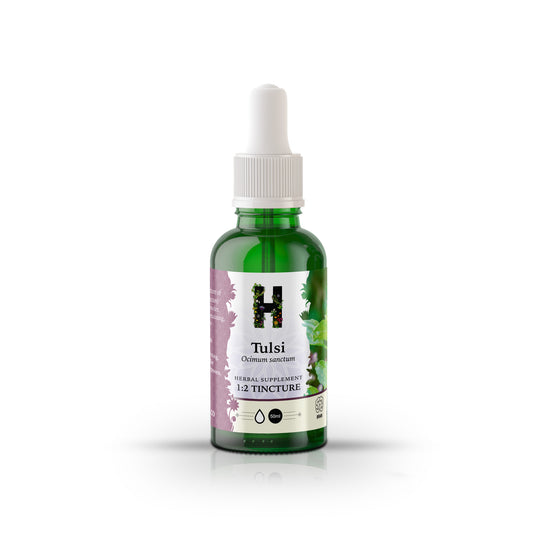
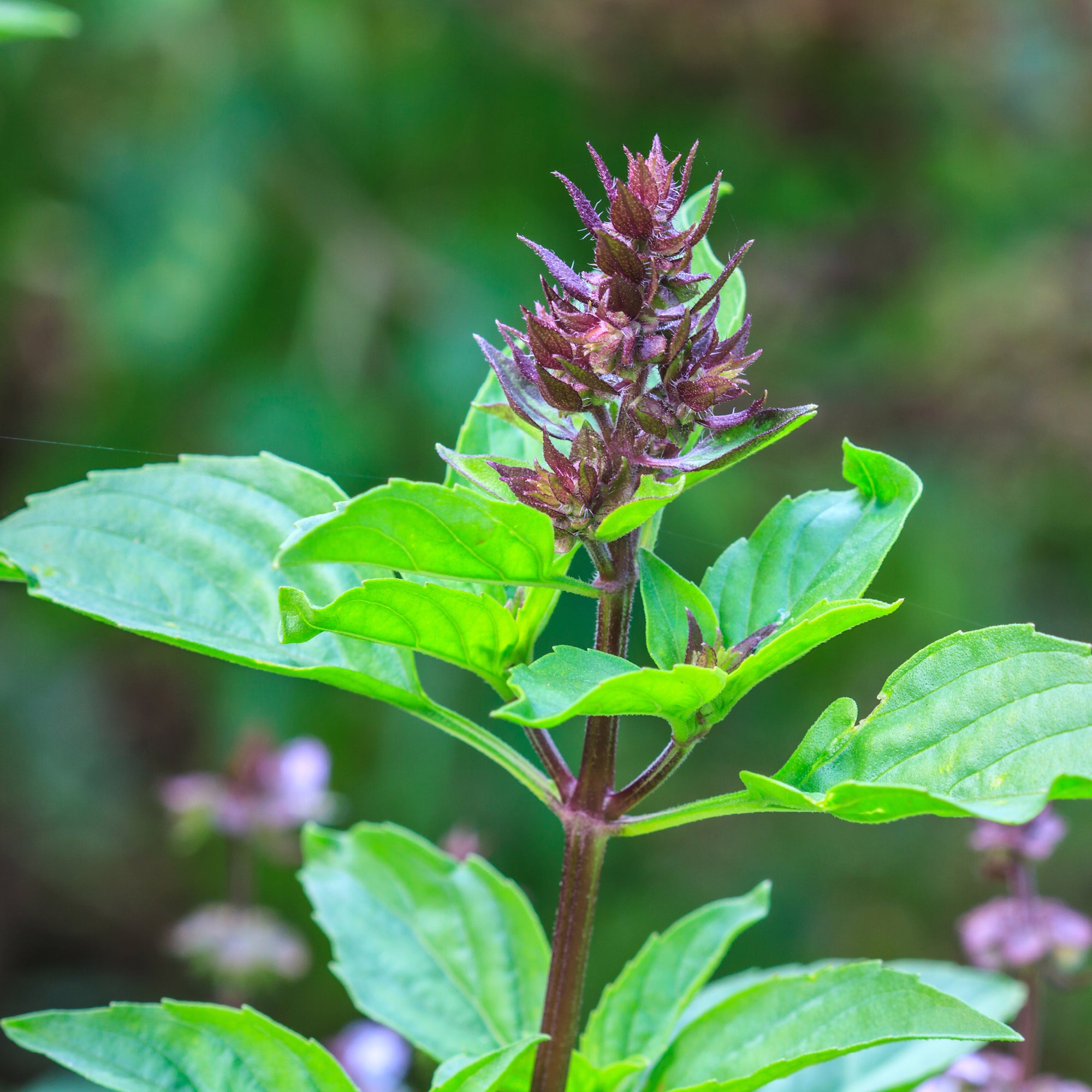
Tulsi 1:2 Liquid Herb
Vendor:Happy Herb CoRegular price $36.00 AUDRegular priceUnit price / per
Explore Adaptogen Herbs
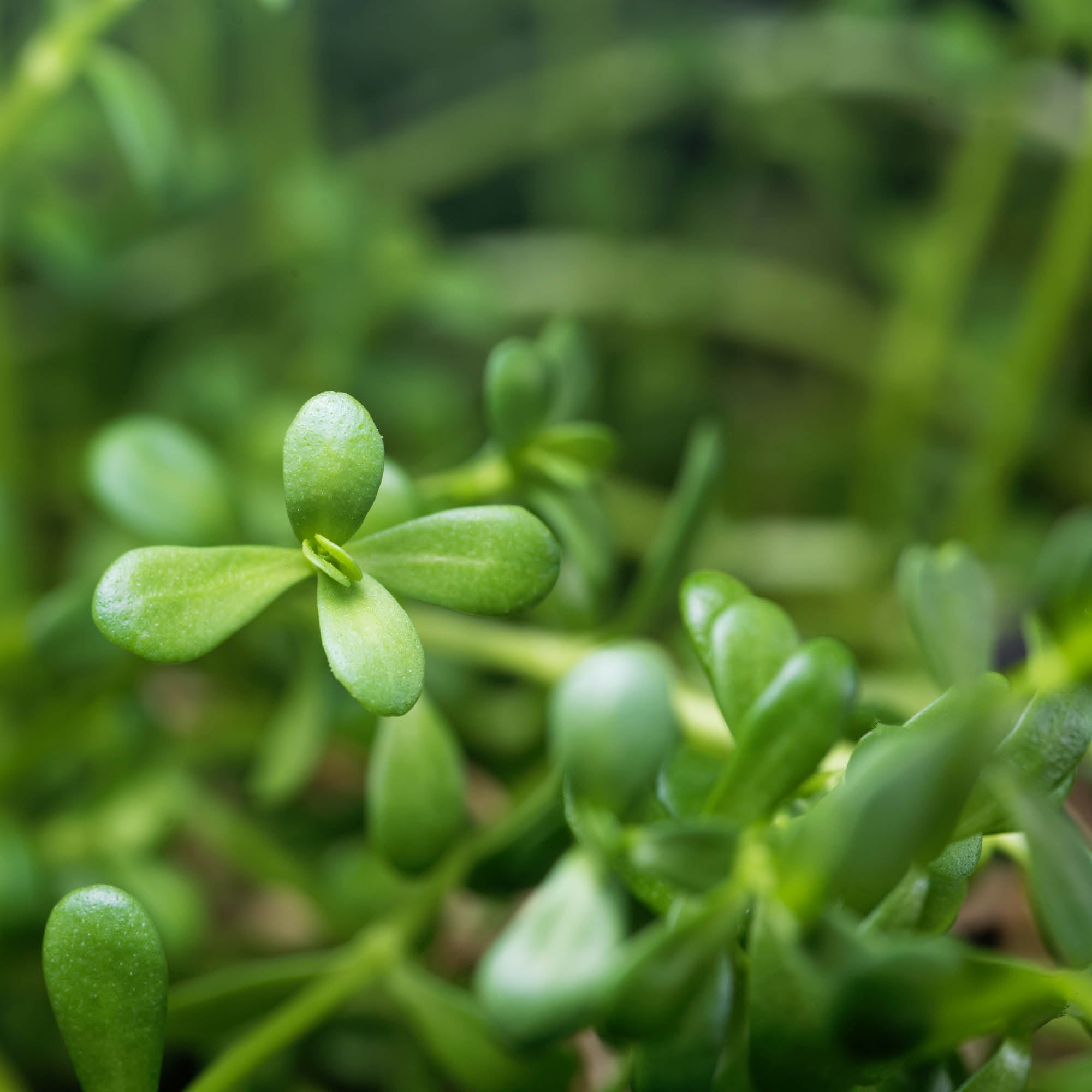
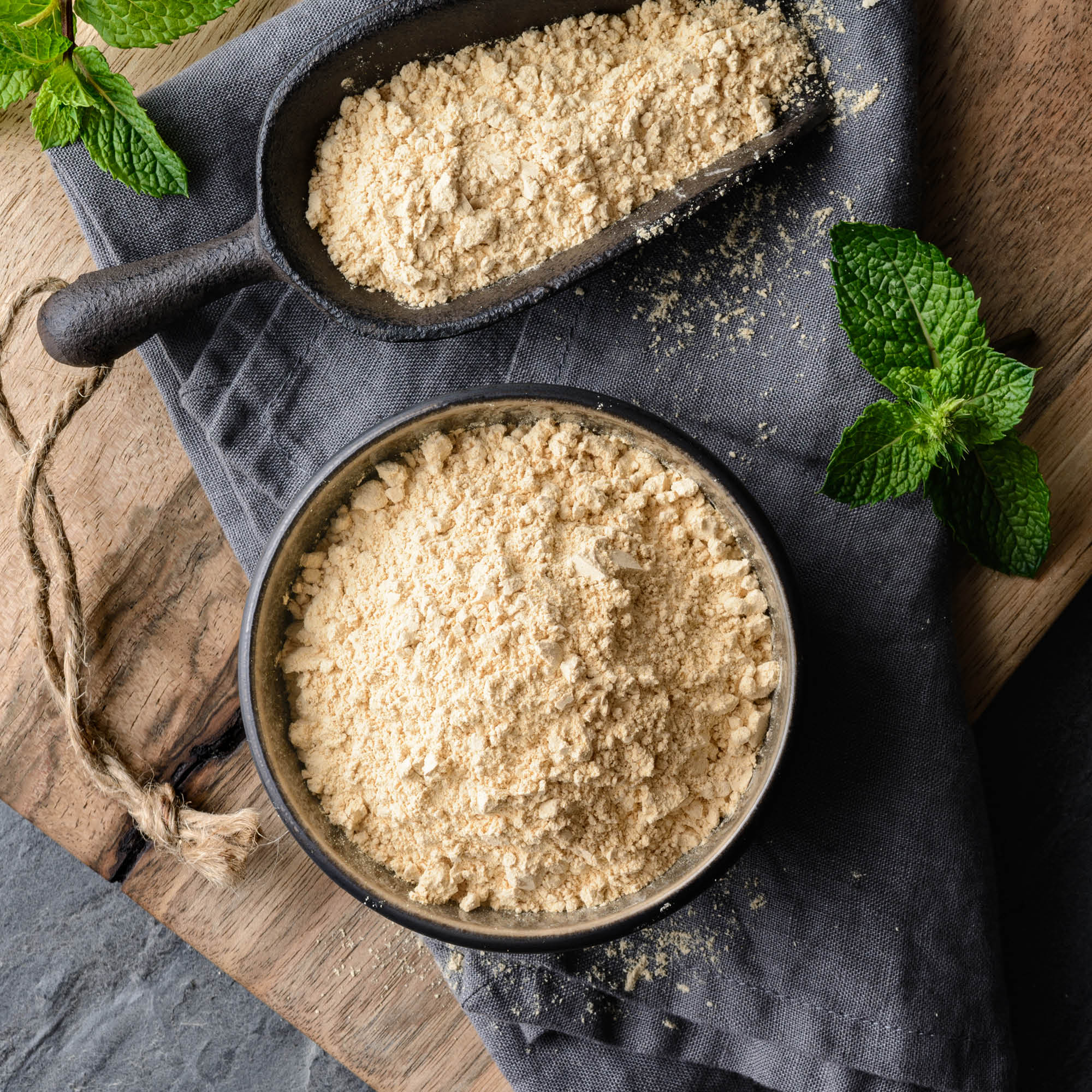
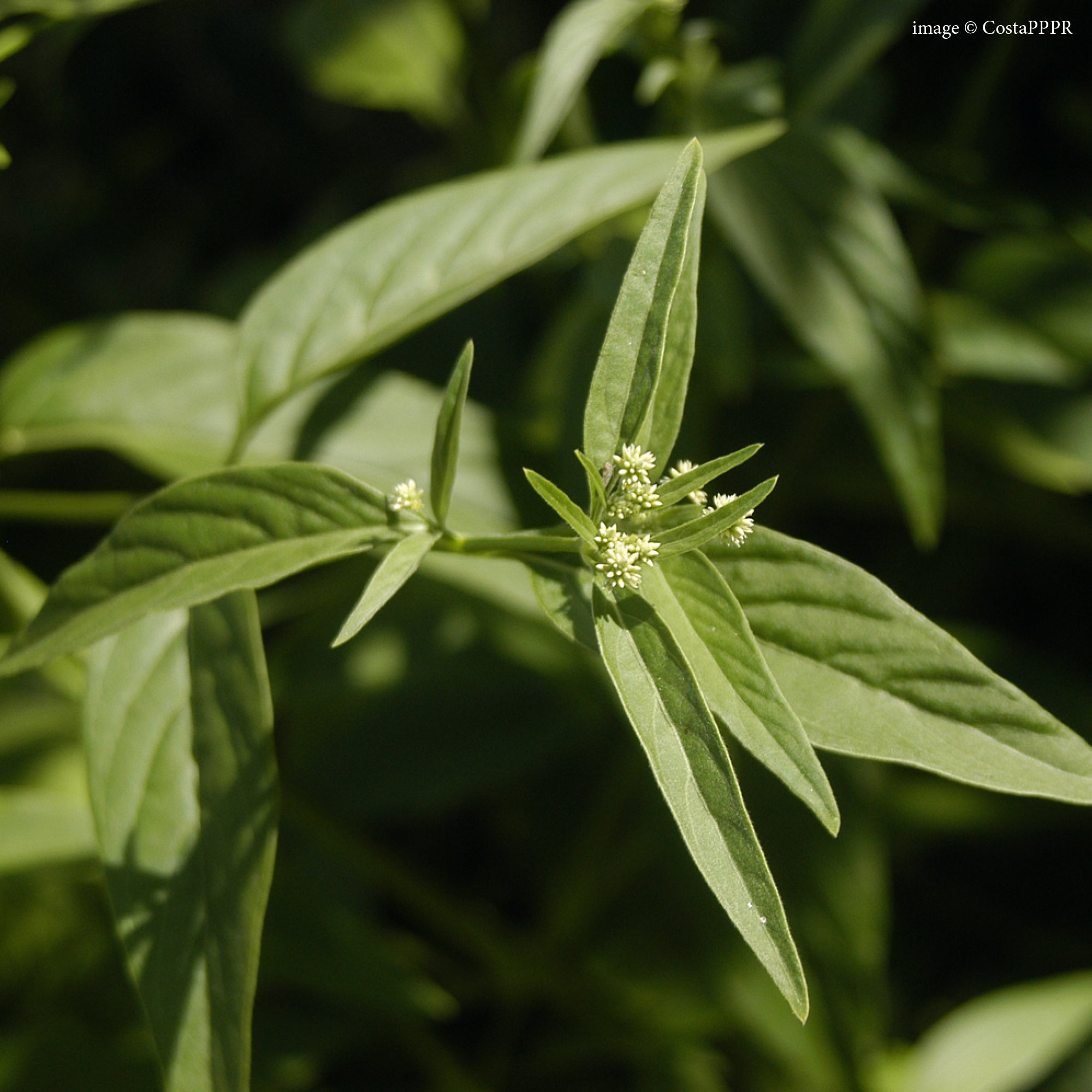
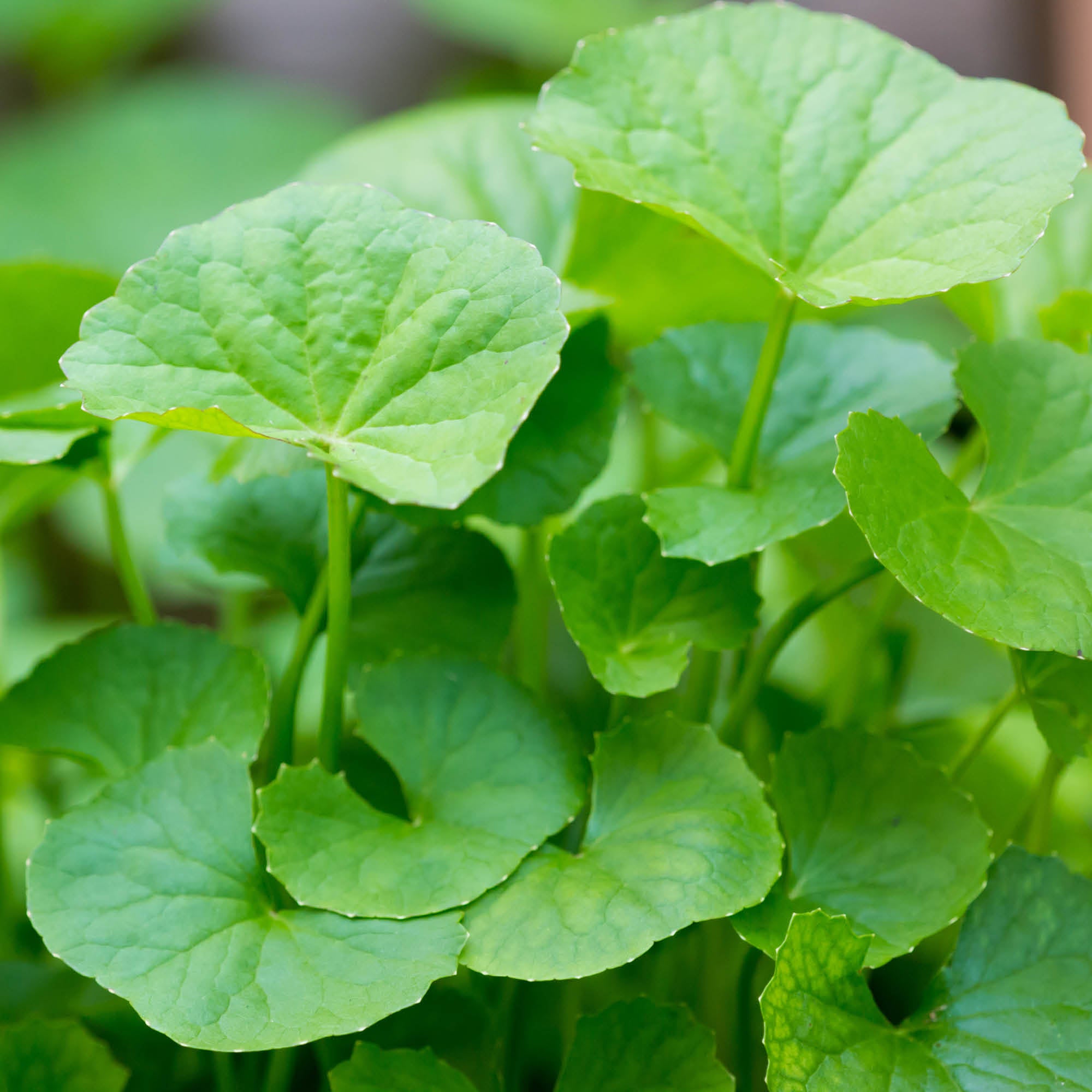
Adaptogen Frequently Asked Questions
Have a question we haven't answered yet? Get in contact with us here.
Are there herbs backed by science for depression?
Are there herbs backed by science for depression?
Yes. St. John’s Wort has the strongest research support among herbs for mild-to-moderate depression. Rhodiola, Ashwagandha, and also show evidence of stress and mood modulation, albeit with fewer clinical studies. Saffron has growing clinical evidence for improving mood and reducing depressive symptoms, while Lemon Balm may support mild anxiety and emotional balance, indirectly lifting mood.
Are there natural energy herbs without caffeine or jitters?
Are there natural energy herbs without caffeine or jitters?
Yes. Several herbs are used for energy without any caffeine. Herbalists class most of them as adaptogens or tonics, taken daily over weeks for stamina rather than for a quick lift.
- Maca – the Andean root, eaten daily as a food for stamina.
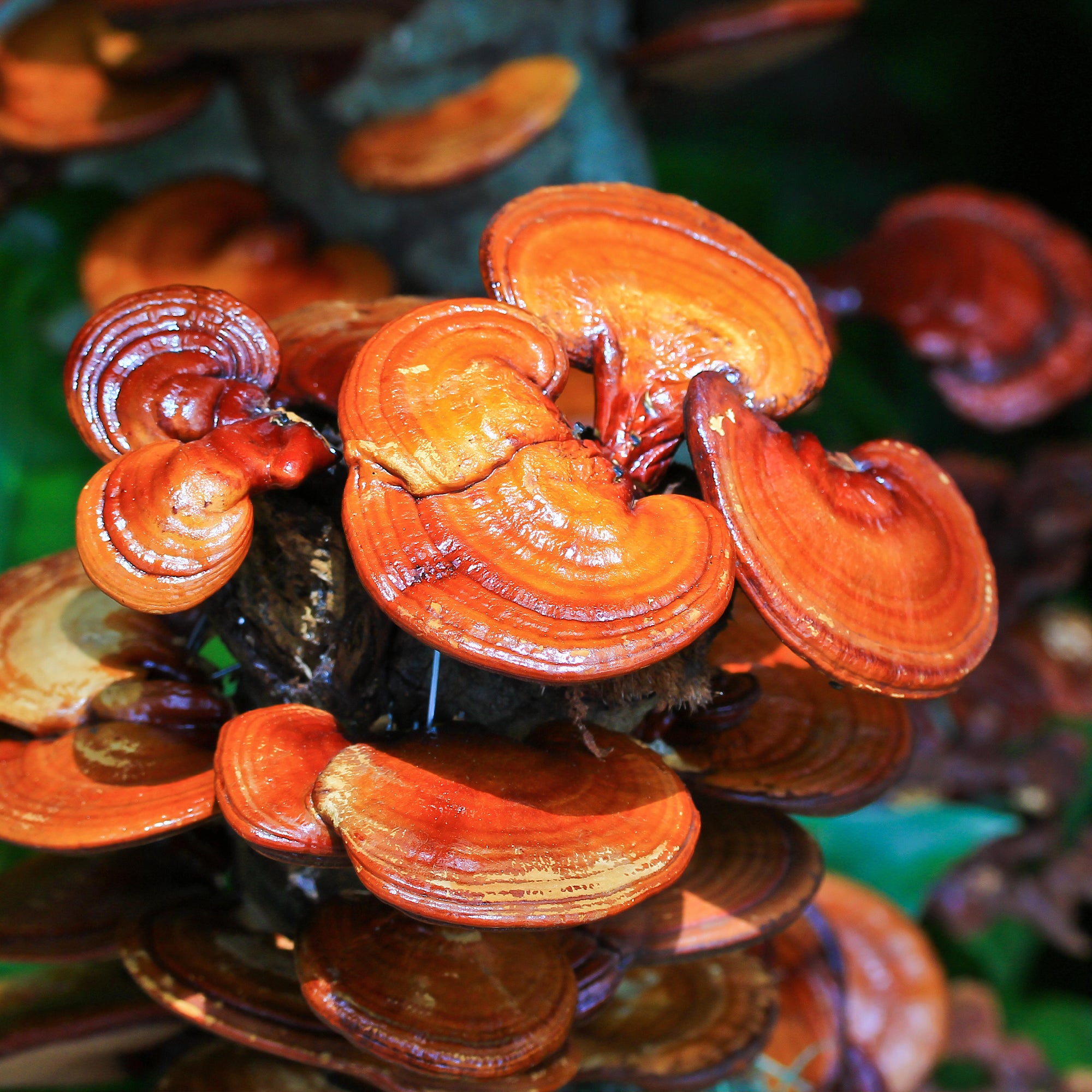
- Cordyceps – a tonic mushroom popular with people who train.
- Tulsi – the Ayurvedic daily herb, used for steadiness on busy days.
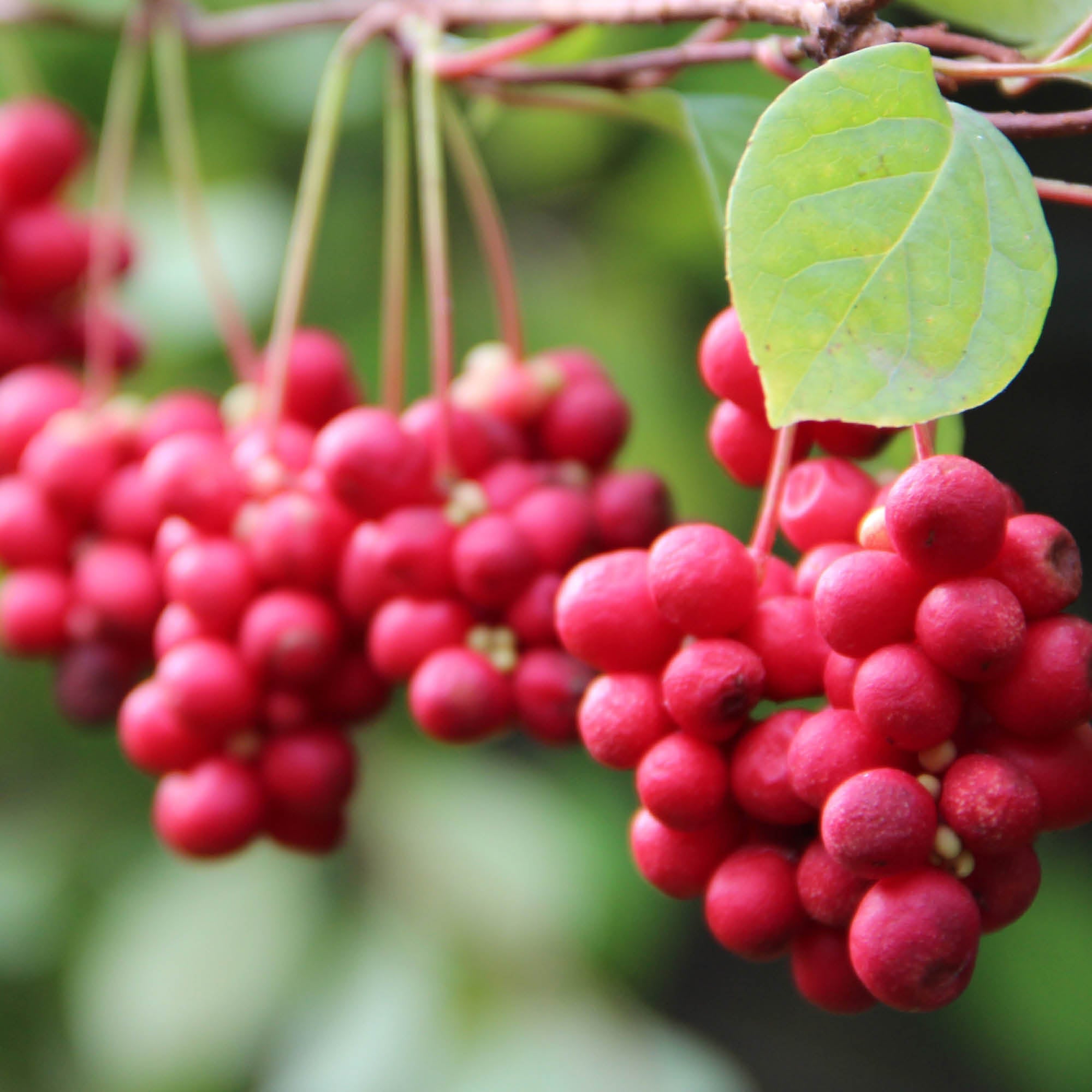
- Schisandra – the five-flavour berry, used for endurance and a clear mind.
- Rhodiola – the adaptogen people reach for through demanding stretches of work or study. A small serve is enough for most.
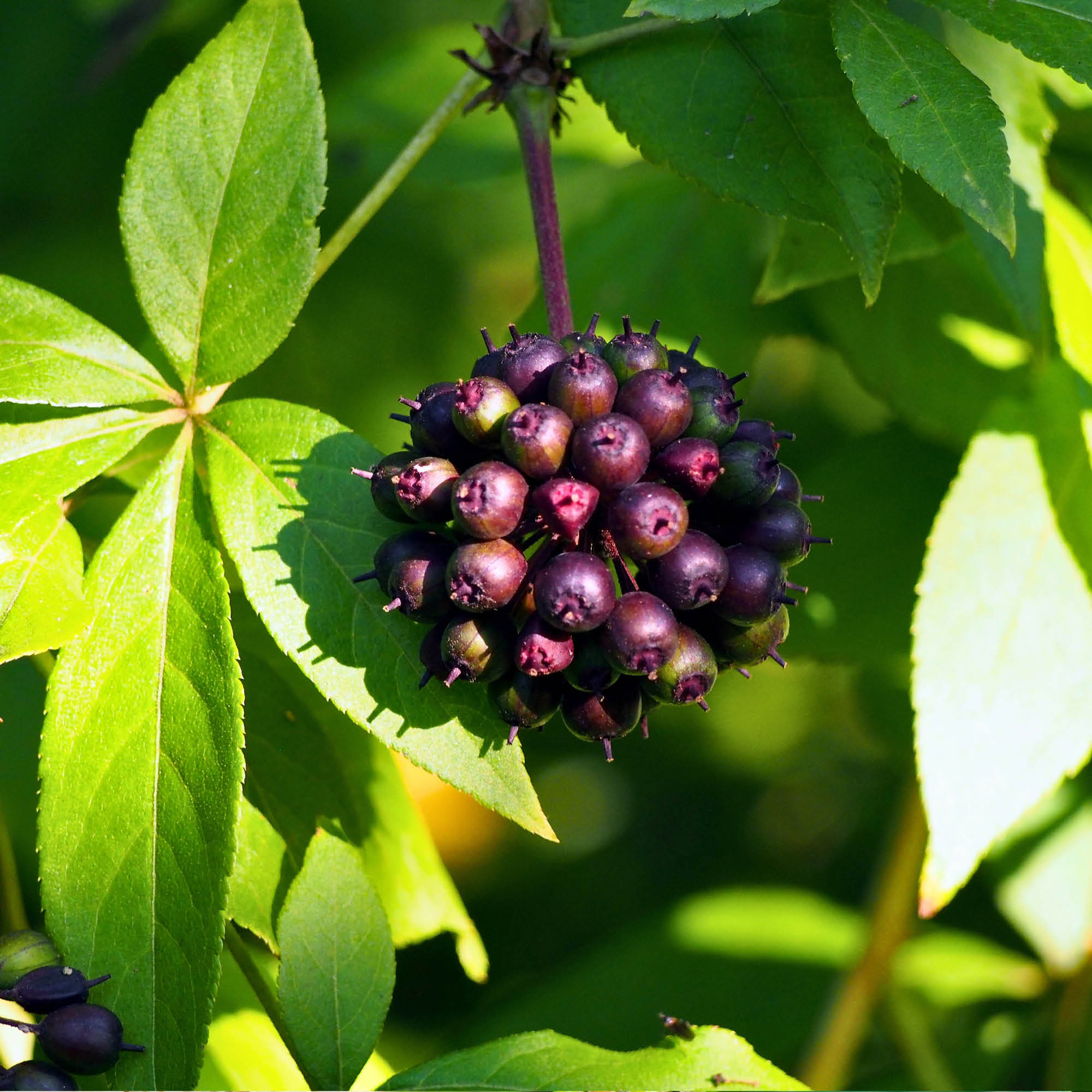
- Korean Ginseng – the classic tonic root of East Asia, taken in small amounts.
Most people take them in the morning, as a tea, a liquid extract or a powder stirred into food, for a few weeks at a time. If you take medication or are pregnant, speak with your health professional first.
Can herbs help with low energy from burnout?
Can herbs help with low energy from burnout?
Yes! Herbal adaptogens such as Ashwagandha, Schisandra, Rhodiola and Licorice root help regulate cortisol, rebuild adrenal strength, and combat fatigue caused by long-term stress or burnout.
Do herbal mood enhancers provide long-term benefit?
Do herbal mood enhancers provide long-term benefit?
Herbs may support short-term mood and stress relief and complement coping strategies—but they are not a substitute for underlying care like therapy, medication, or lifestyle adjustments (e.g., better sleep, nutrition, exercise). Addressing root causes remains essential for sustainable mental health. Adaptogens such as Ashwagandha, Rhodiola, and Schisandra may offer longer-term benefits by helping the body adapt to stress and regulate cortisol, supporting resilience over time.
How do adaptogens like ashwagandha or rhodiola affect mood?
How do adaptogens like ashwagandha or rhodiola affect mood?
Adaptogens help your body adapt to physical and emotional stress by regulating stress-response systems—namely the HPA (hypothalamic-pituitary-adrenal) axis and SAM (sympathetic-adrenal-medullary) system—which balance cortisol levels, reduce fatigue, and enhance emotional balance.
How does Ginseng help with energy?
How does Ginseng help with energy?
Korean Ginseng (Panax ginseng) helps improve cellular energy production, supports adrenal function, and enhances cognitive clarity. It's one of the most researched herbal remedies for fatigue and low energy, especially in older adults or high-stress lifestyles.
How fast do herbs for energy start working?
How fast do herbs for energy start working?
Herbal stimulants like Guarana or Yerba Mate work within 30–60 minutes.
Adaptogens like Rhodiola or Ashwagandha build gradually, with noticeable effects in 1–3 weeks. Consistency is key—combine short-term energisers with long-term herbal support for best results.


