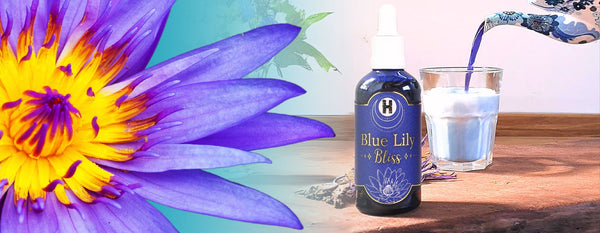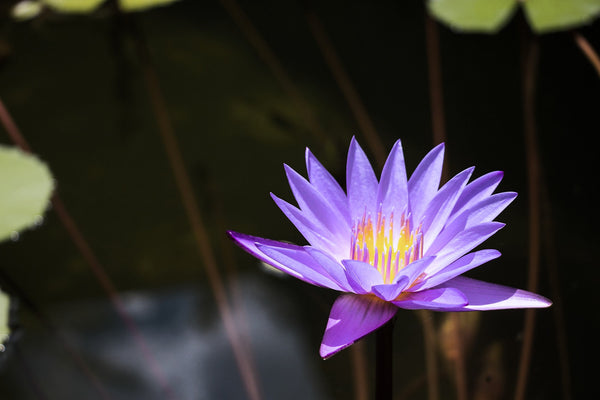
Blue Lily
The sacred blue lotus of the Nile, floral and dreamy.
Full Blue Lily Profile
Cart
Your cart is empty

Join us in our love of herbs

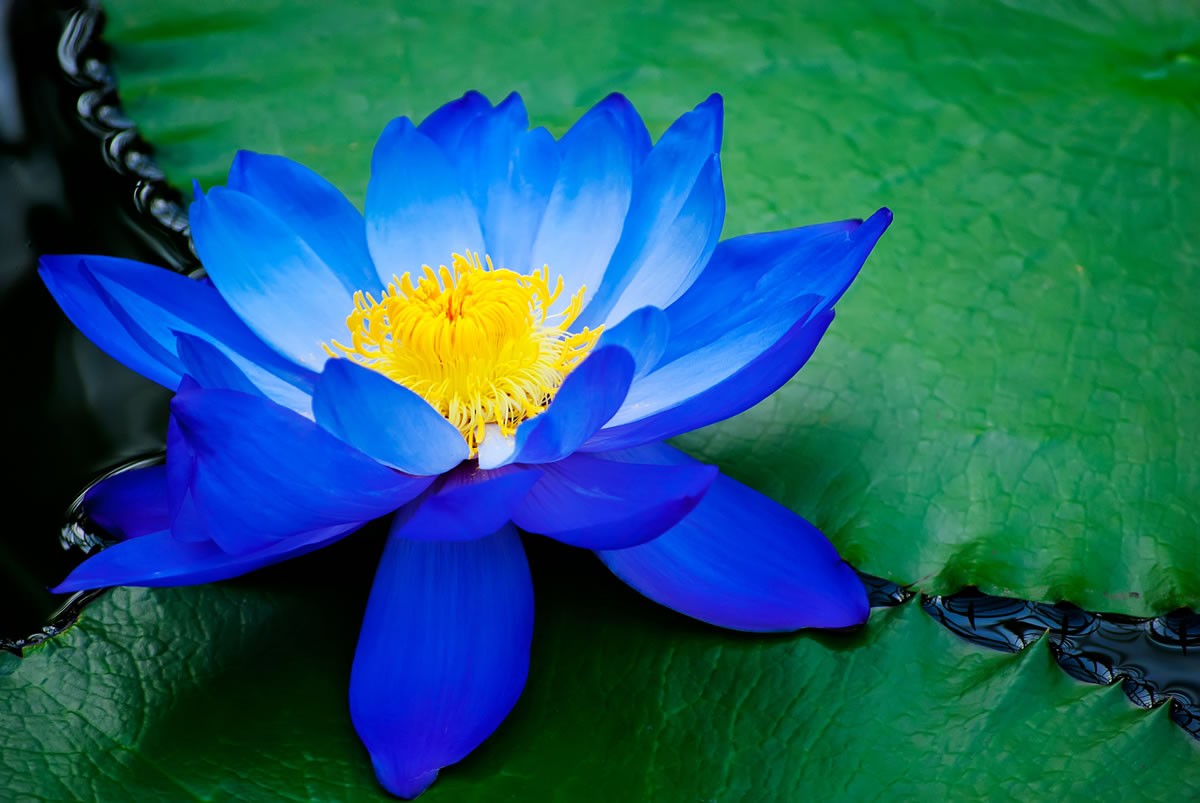
Blue Lily—also known as Blue Lotus or the Sacred Lily of the Nile—has long been revered as a symbol of divine beauty, inner transformation, and the eternal dance of life, death, and rebirth. To the ancient Egyptians, this radiant water flower was far more than a botanical marvel, it was a bridge between worlds—a living emblem of the soul’s awakening.
In the fertile floodplains of the Nile Delta, Blue Lily (Nymphaea caerulea) bloomed in sacred ponds and temple gardens, its shimmering petals rising each morning from the muddy waters in a gesture of rebirth. Ancient Egyptians saw in this daily miracle a profound spiritual truth: the soul, like the lotus, could emerge luminous from the depths of darkness.
Adorning the hair of dancers, woven into ritual garlands, and painted across temple walls, Blue Lily was intimately tied to religious life. It held a cherished role in funerary rites and was buried alongside kings and pharaohs to guide their spirits into the afterlife (Robbins, 1998).
The sacredness of Blue Lily is etched across centuries of Egyptian art. The flower often appears in symbolic groupings with yellow mandrake fruits (Mandragora officinarum) and red poppies (Papaver somniferum), forming what ethnobotanist Christian Rätsch described as an “iconographic recipe” (2005). These sacred triads may have represented visionary elixirs used in ecstatic or initiatory rites.
In the tomb of Tutankhamun, dried Blue Lilies were found draped across his body—suggesting their ritual importance in death and transformation. Some depictions even pair the flower with what appear to be psilocybin mushrooms, pointing to the use of entheogenic plants in the ceremonial practices of an elite spiritual priesthood.
Blue Lily was a flower of the threshold—used to invoke states of deep insight, communion with the divine, and passage between the worlds. In the Egyptian Book of the Dead, the soul speaks through the lotus:
“As if I’d slept a thousand years underwater I wake into a new season. I am the blue lotus rising. I am the cup of dreams and memory opening… I open and light descends, fills me and passes through. I float content within myself, one flower with a thousand petals.”
This luminous passage evokes the spirit of Blue Lily as a teacher of letting go, surrender, and divine receptivity. It is said that the priests of Heliopolis used infusions of the flower to induce trance, guide the dying, and enter states of ecstatic union with the gods (Emboden, 1978).
To herbalists, Blue Lily is a deeply calming ally—a nervine and gentle euphoric that brings body and soul into a state of soft coherence. Ancient Egyptian physicians used it for a wide range of conditions: to support liver function, relieve constipation, regulate urination, soothe pain, and as a general tonic for vitality and joy.
Modern studies reveal that Blue Lily contains alkaloids like apomorphine and nuciferine, along with flavonoids, glycosides, and aromatic essential oils. These constituents lend the plant its mild psychoactive and restorative properties. Its alkaloids are believed to interact with dopamine receptors, enhancing mood, supporting cognitive function, and even offering neuroprotective benefits.
Apomorphine, in particular, has been used to treat Parkinson’s disease, erectile dysfunction, Alzheimer’s, and substance addiction (Bertol et al.). This aligns beautifully with the flower’s ancient use as a healer of both spirit and mind.
In traditional and modern herbal practice, Blue Lily is used to:
Reduce anxiety and calm the nervous system
Alleviate pain from headaches, menstrual cramps, and muscular tension
Enhance sensuality and emotional connection
Promote deep, restful sleep and dream recall
Lift mood and foster gentle euphoria
Anecdotally, users describe its effects as dreamlike yet clear—a light intoxication that fosters introspection, connection, creativity, and joy. The flower’s essential oil is prized for its aphrodisiac and heart-opening qualities. As mycologist Paul Stamets shared:

For the spiritual seeker and the herb enthusiast, Blue Lily is more than a plant—it is a path. A fragrant companion to meditation, ritual, dreamwork, and healing, this ancient flower invites us to soften, open, and receive the light of awareness.
Whether sipped in tea, infused in wine, dropped as a tincture, or inhaled as essential oil, Blue Lily can be approached with reverence and intention—as a sacred ally for inner illumination, remembrance, and rebirth.
Follow the link below to learn more about Blue Lily, including more blogs & recipes! Check out the Joe Rogan Experience #2134 with Paul Stamets for the world famous mycologist’s own thoughts on Blue Lily from 1:58:00 onward.
Every flower on the water carries a thousand years of ritual beneath its petals.

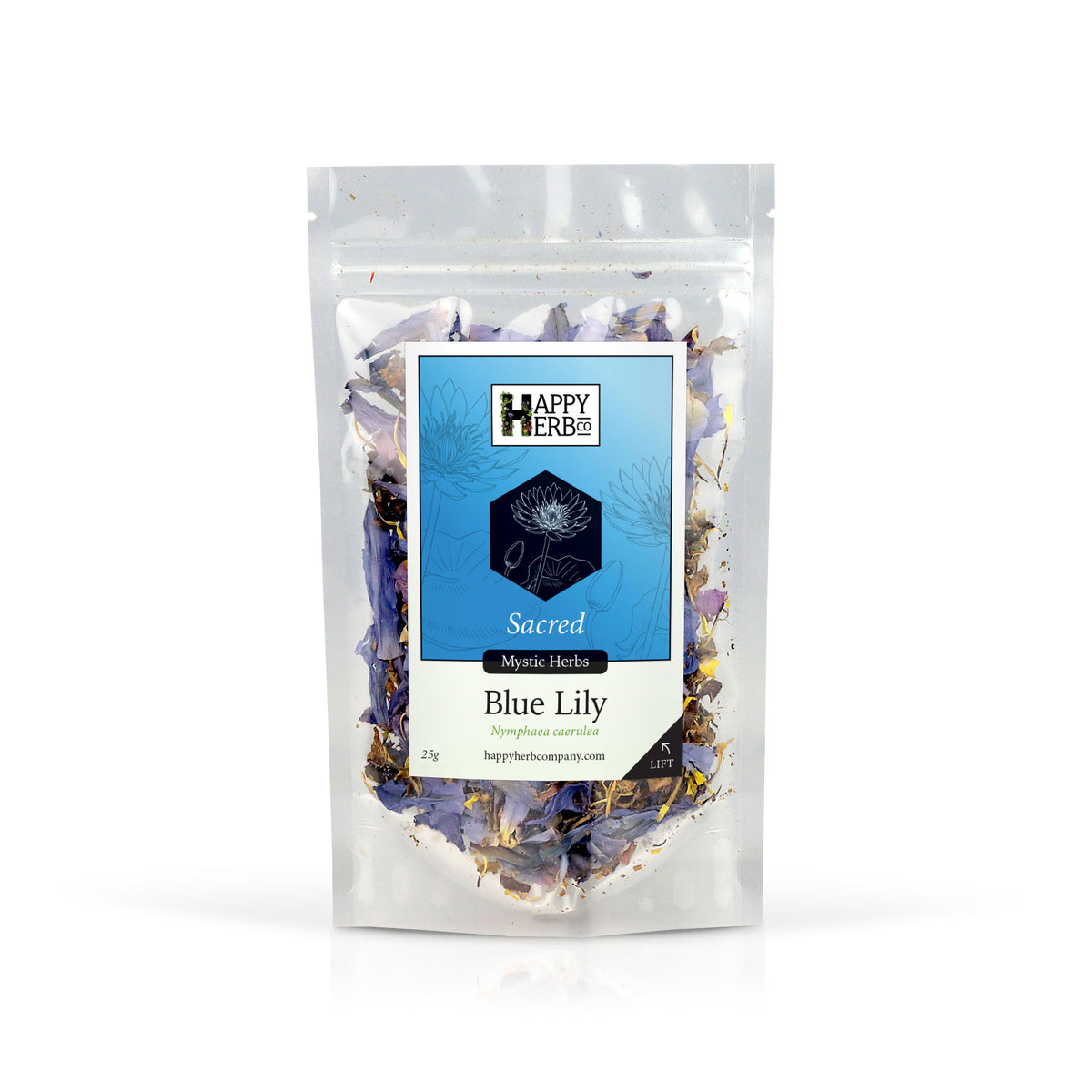
Mystic Herb

Botanical Concentrate
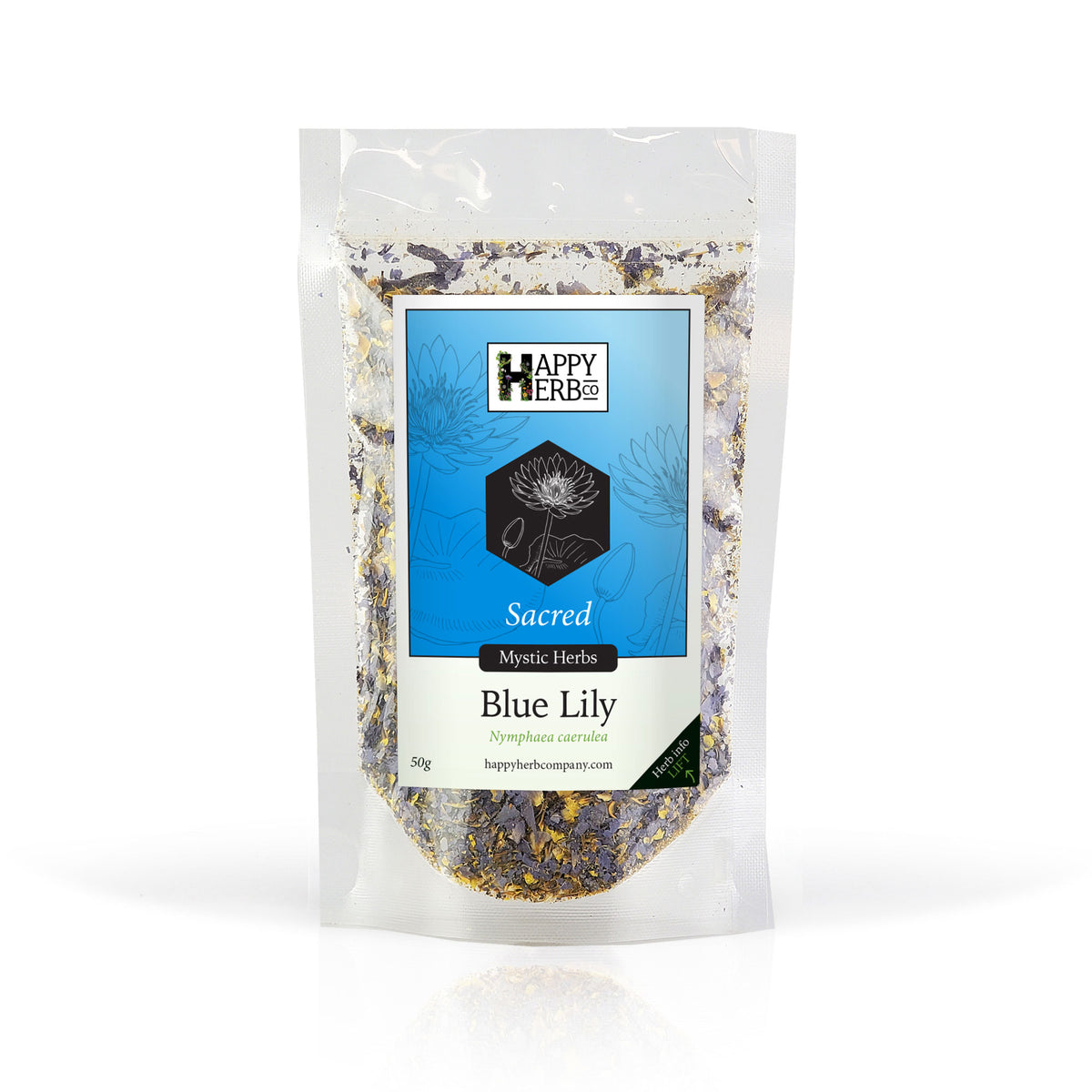
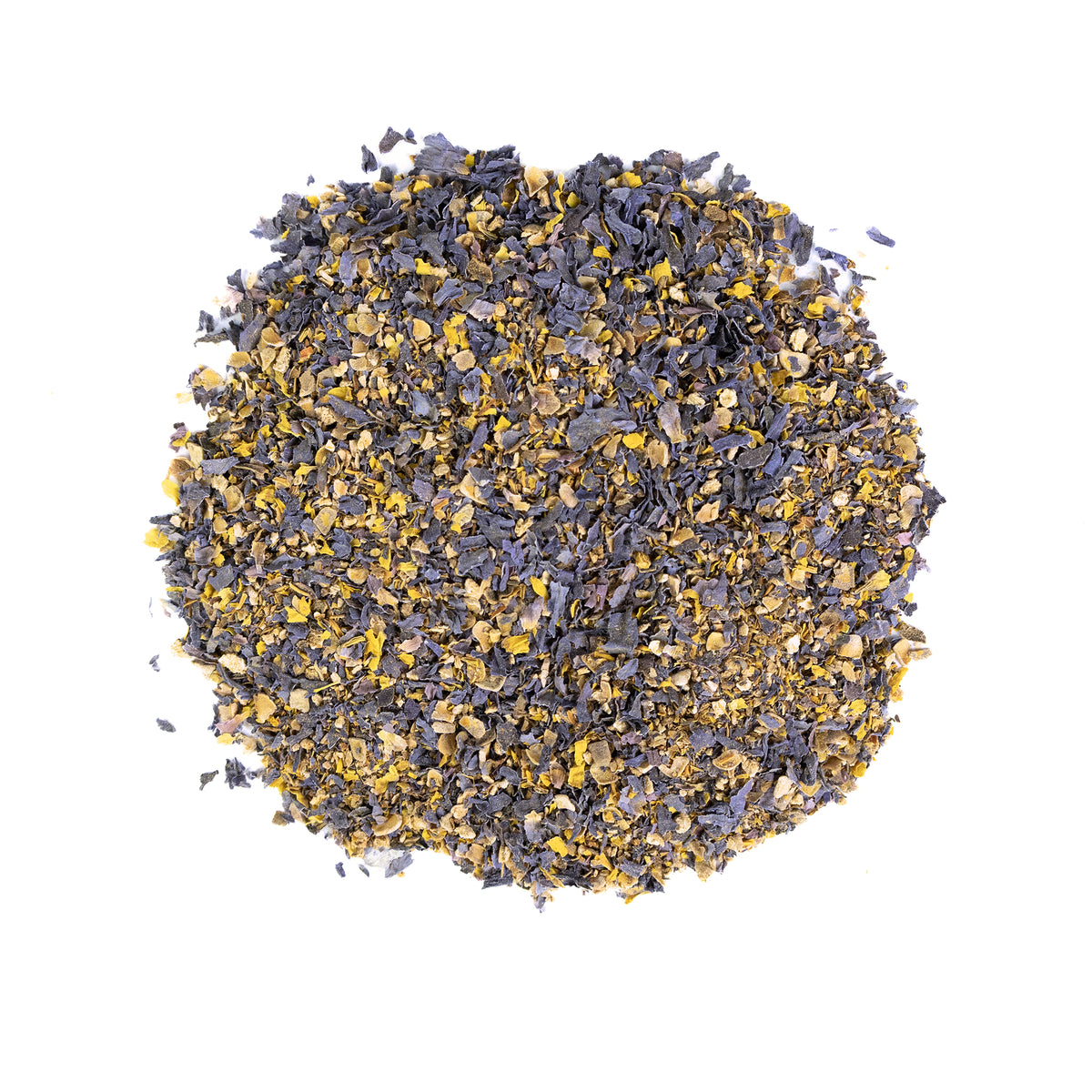
Mystic Herb

Botanical Concentrate

Spagyric


Concentrate
There is a lot of confusion about the various types of Lotus and Lily and chances are there will always be confusion unless the botanical names are used. Lily can really only apply to the genus Nym...
Read more