
The Beauty of Bitter: Learning to Love the Forgotten Flavour
We live in a very sweet world.
From breakfast cereals and snacks to soft drinks, sauces and ultra-processed foods, our modern diets tend to be much sweeter and more carbohydrate-heavy than those of our ancestors.
And it’s not just our diets that have changed. Somewhere along the way, ‘bitter’ became a bad word.
We call people bitter when they’re resentful or unhappy. We describe experiences as bitter, feelings as bitter, and moods as bitter. Sweet has become synonymous with pleasant, kind and desirable - while bitter is something we're taught to avoid.
But plants tell a different story.
The flavour we forgot
Long before supermarkets filled our shelves with highly cultivated, sweet varieties of fruits and vegetables, people ate a much greater diversity of wild plants, leaves, roots, shoots and greens.
Many of these plants were naturally bitter, pungent, fibrous and intensely flavoured.
Bitterness wasn't something to hide. It was simply part of eating plants.
Today, we've bred many of our foods to be sweeter and more palatable, while bitter greens and wild plants have largely disappeared from the everyday diet.
Perhaps it's time to get reacquainted with bitter.
Why do we need bitters?
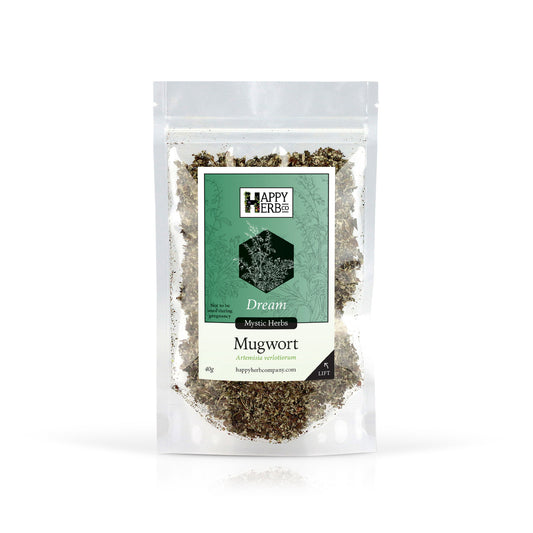
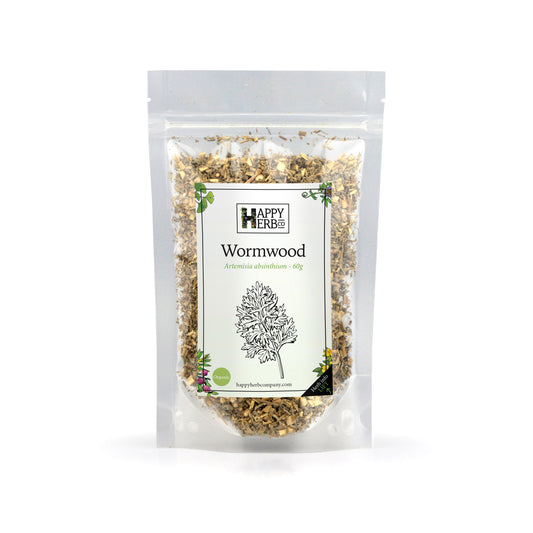
Bitters are herbs containing naturally occurring bitter compounds. Dandelion, Burdock, Gentian, Artichoke, Milk Thistle, Mugwort and Wormwood are classic examples.
In herbalism, bitters have traditionally been valued for their ability to support digestion, liver function and healthy metabolism. Their bitter compounds stimulate taste receptors throughout the digestive system, helping signal that food is coming and encouraging digestive secretions, including bile.
The liver and digestive system are closely connected, with bile playing an important role in the digestion and absorption of fats. Bitter herbs have traditionally been used to support healthy bile flow and the normal functioning of the liver and digestive system.
Bitter taste receptors are also involved in signalling around appetite, nutrient handling and glucose metabolism, making bitters particularly interesting in our modern, sugar-heavy world. Research into bitter compounds and these receptors is continuing to explore their role in metabolic health.
And there's an interesting traditional connection between the liver and our emotional state, too. Herbal traditions have long associated a sluggish or stagnant liver with feelings of irritability, frustration and anger. In Traditional Chinese Medicine, Liver Qi stagnation is similarly associated with tension and irritability.
This reflects an ancient understanding of the interconnectedness of digestion, metabolism, vitality and mood.
Perhaps supporting healthy movement through the body can help us feel a little less stuck - physically and emotionally.
The beauty of contrast
Perhaps there is another reason to embrace bitter.
There's a wonderful thing that happens when you taste something bitter before something sweet: the sweetness can taste even sweeter by comparison.
Think of dark chocolate followed by a ripe strawberry. Or a bitter green alongside a naturally sweet roasted vegetable. The contrast makes the sweetness stand out.
And perhaps life works in much the same way.
If everything were sweet, would we even notice the sweetness?
The difficult seasons, the disappointments, the challenges and the moments that stretch us can give us a deeper appreciation for joy, connection, pleasure and the simple good things in life. Bitterness doesn't necessarily take sweetness away - sometimes, it gives us the contrast we need to truly taste it.
Maybe that's part of the beauty of bitter. It reminds us that food, health and life aren't meant to be one-dimensional.
We need the bitter. We need the sweet. We need the full spectrum.
Learning to love bitter
The good news is that bitter can be an acquired taste.
Try adding bitter greens such as rocket, radicchio, endive or dandelion to your meals. Experiment with bitter herbs, or incorporate a traditional bitter tincture or tea into your routine.
Start small and give your palate time to adjust. The more we experience bitterness, the less foreign it becomes.
And perhaps, in learning to love a little more bitter, we might rediscover something we've lost - not only a forgotten flavour, but a deeper appreciation for contrast, complexity and the full spectrum of what plants have to offer.
And perhaps the more we embrace the bitter, the sweeter life becomes.
Want to explore more?
Discover other flavours for spring renewal here.
Find bitter herbs for the liver & gut here.
Explore Herbs
-
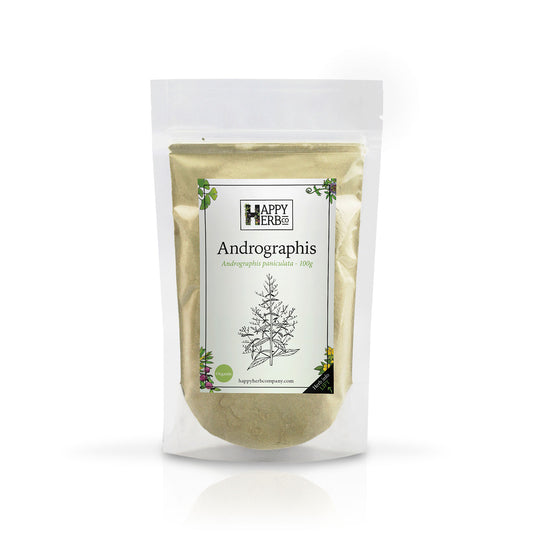
Andrographis
Regular price $16.00 AUDRegular priceUnit price / per -
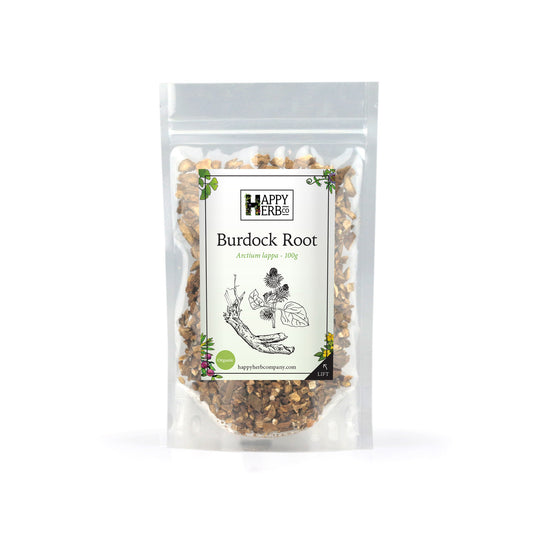
Burdock Root
Regular price $18.00 AUDRegular priceUnit price / per -
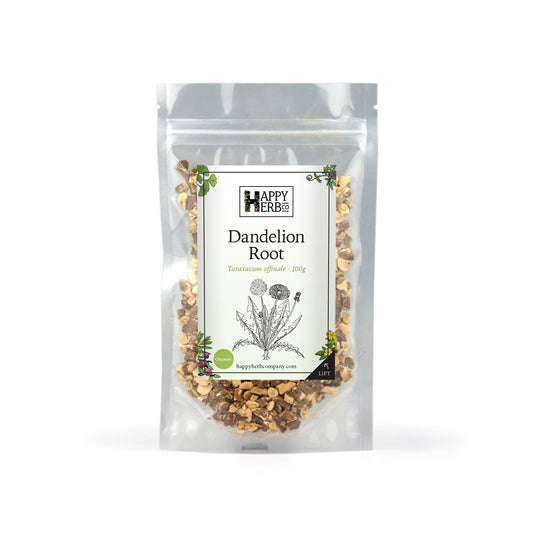
Dandelion Root
Regular price $23.50 AUDRegular priceUnit price / per -
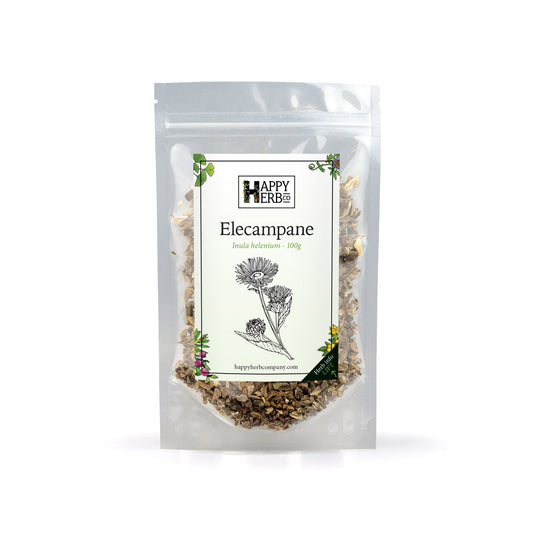
Elecampane
Regular price $18.00 AUDRegular priceUnit price / per -
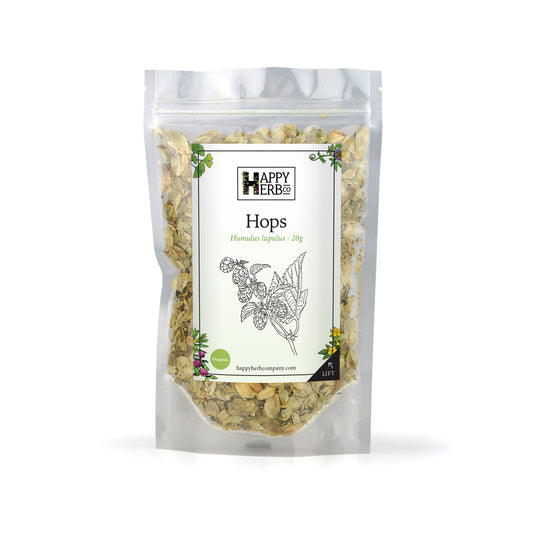
Hops Flowers
Regular price $16.00 AUDRegular priceUnit price / per -
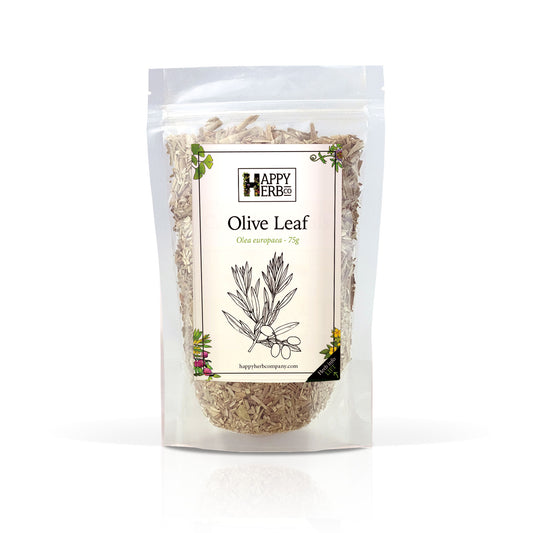
Olive Leaf
Regular price $20.00 AUDRegular priceUnit price / per$19.00 AUDSale price $20.00 AUD -
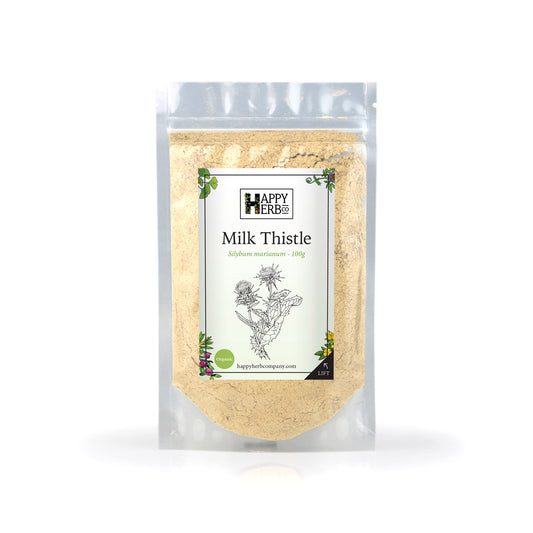
Milk Thistle (St Mary’s Thistle)
Regular price From $20.00 AUDRegular priceUnit price / per -
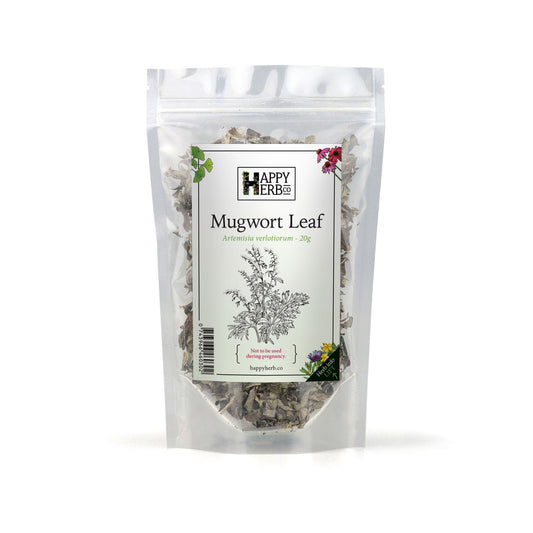
Mugwort Leaf
Regular price From $15.50 AUDRegular priceUnit price / per$15.00 AUDSale price From $15.50 AUD -
Mugwort Premium Cut
Regular price From $26.50 AUDRegular priceUnit price / per$26.50 AUDSale price From $26.50 AUD -
Schisandra
Regular price $24.00 AUDRegular priceUnit price / per -
Detox Herbal Tea Blend
Regular price $20.00 AUDRegular priceUnit price / per -
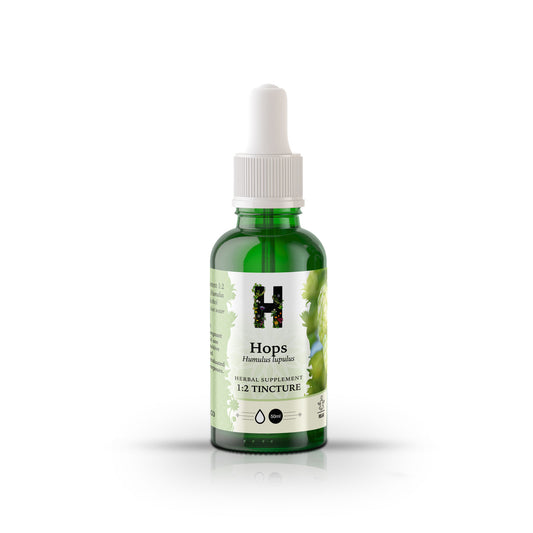
Hops 1:2 Liquid Herb
Regular price $39.00 AUDRegular priceUnit price / per -
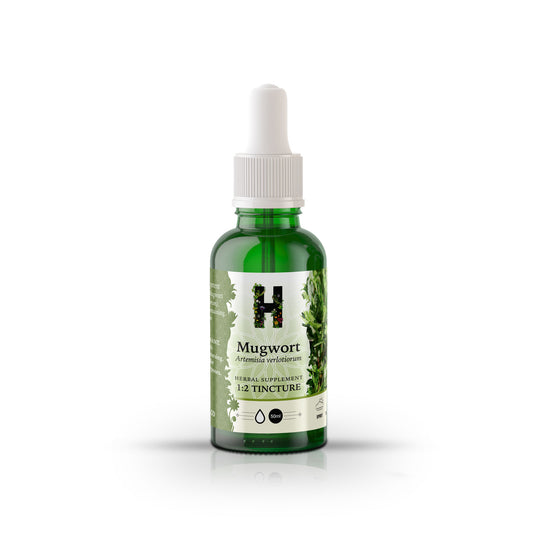
Mugwort 1:2 Liquid Herb
Regular price $39.00 AUDRegular priceUnit price / per$39.00 AUDSale price $39.00 AUD -
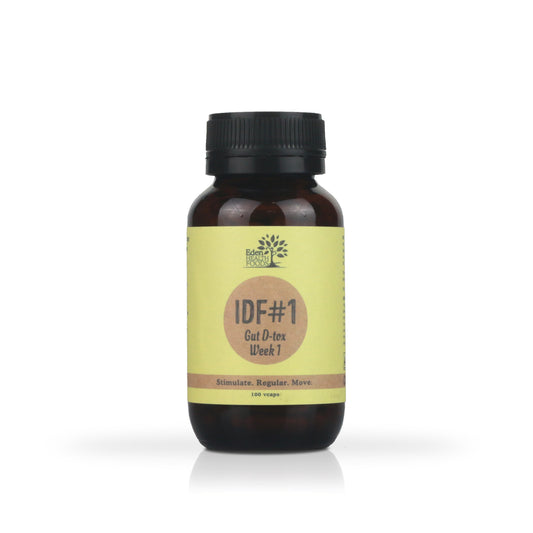
Intestinal Detox Formula #1
Regular price $59.95 AUDRegular priceUnit price / per