Nettle
Deep green and mineral-rich, a nourishing everyday tea.
Full Nettle Profile
Cart
Your cart is empty

Join us in our love of herbs
There are those, dear ones, who suffer in the Spring time. Instead of skipping through the fields and blowing dandelion flowers into the warm spring breeze they are sitting indoors sniffling and sneezing with itchy, watering eyes and a running nose. Allergic rhinitis (known here in Australia as Hay fever) is a cruel immunological disease with inflammation of the ears, eyes, nose and throat and can make Spring time for many a miserable time.
Luckily, we have some wonderful supportive herbs when it comes to allergies and inflammation. Here are a few herbal ideas and recipes that may assist you if you are an unfortunate hay fever sufferer.
Not exactly an herb, but a mixture of lots of plants, Bee Pollen is a small ball of field-gathered flower pollen packed by worker honeybees.
Now you’re probably thinking, isn’t pollen the enemy when it comes to Hay fever?! While this is true, there is a school of thought surrounding the use of bee pollen for hay fever sufferers.
It is thought that by introducing bee pollen into your diet year-round you can enable your body to build up a tolerance to the pollen and therefore when spring comes around you are less effected by the pollens in the air. While there are no studies on this directly, we can look to the nutritional profile and plant metabolites found in bee pollen to understand how it may be effective for combating inflammation and Hay fever symptoms.
Bee Pollen is crunchy and tasty and works well as a smoothie topper, yoghurt topper or just eaten on its own.
Another bee created “herbal” medicine is Propolis. Propolis is a natural resinous substance produced by bees and is usually sold in a liquid extract form .
Like bee pollen, it is derived from a number of different plant species and therefore it contains some potent therapeutic constituents. Propolis is astringent so it helps to dry up mucous secretions and it is also highly antibacterial, antifungal and antiviral.
Interestingly, Propolis is also known as an immune modulator, meaning it helps to bring the immune system back into balance if it is over active (as in Hay fever) or underactive.
When hay fever hits it’s really important to stay hydrated. Herbal infusions can be really useful drunk either warm as a tea, or cold as a refreshing infused water.
Nettle leaf is a particularly useful herb for combating Hay fever. It has an antiallergic action with broad anti-inflammatory activity including inhibition of cytokines (1).
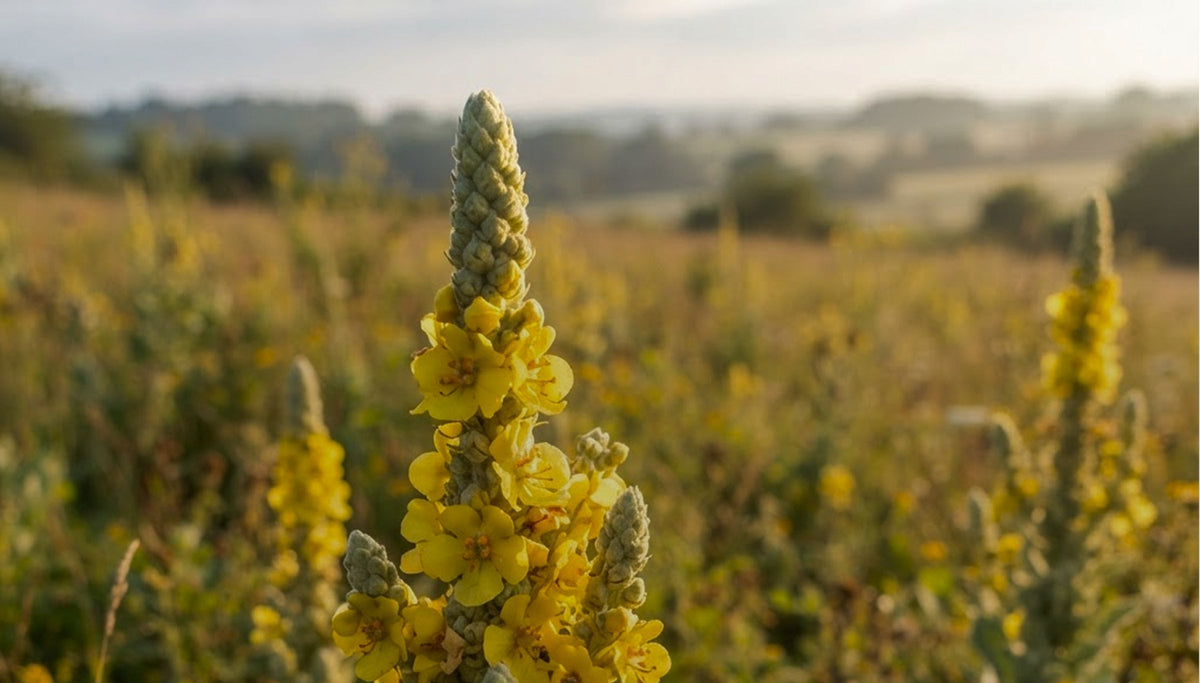
This recipe contains Nettle Leaf alongside Lemon Balm for its soothing and calming effects, Gotu Kola for its anti-inflammatory effects and Mullein for its ability to sooth the mucous membranes of the sinuses.
The method for this recipe is for a cold drink, however you could also enjoy it warm as a tea.
Nasal irrigation is an ancient practice that has become more popular recently. Sinus rinses help to flush nasal passageways of debris and potential infective microbes.
Often, they are done with a saline solution but this recipe uses herbs for their anti-inflammatory and anti-microbial properties. They are also incredibly soothing for the delicate mucous membranes of the nasal passages and can help to relieve itching and irritation.
Herbal oxymels are so easy to make and they can pack a pungent punch.
I particularly like herbal oxymels for hay fever as you can combine all of those culinary herbs that are so beneficial for clearing congestion namely citrus, garlic, ginger, onion and cayenne into one easy-to-take shot.
Have you got a problem that you want to heal with herbs? Visit our Ask our Herbalist page and fill out the question form.
Deep green and mineral-rich, a nourishing everyday tea.
Full Nettle Profile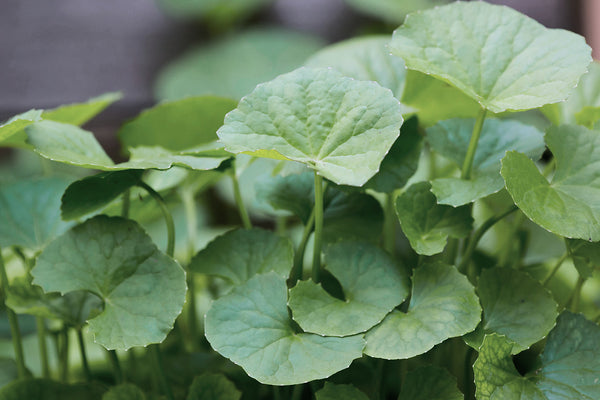
A small round-leafed herb, cherished across Asia.
Full Gotu Kola Profile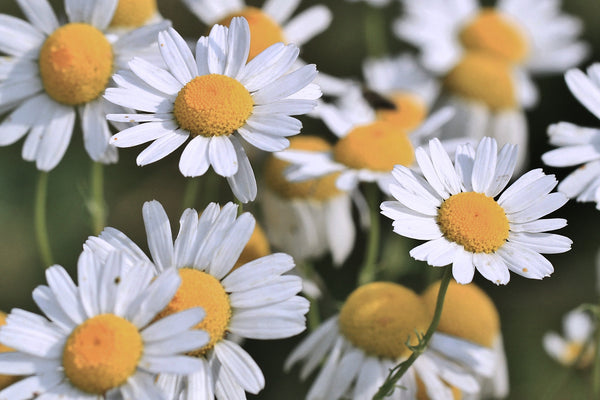
Soft, apple-scented flowers, the classic gentle cup.
Full Chamomile Profile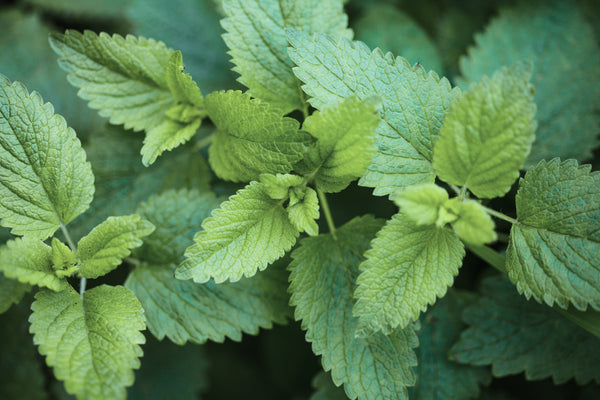
A lemon-scented leaf from the mint family, gentle and bright.
Full Lemon Balm Profile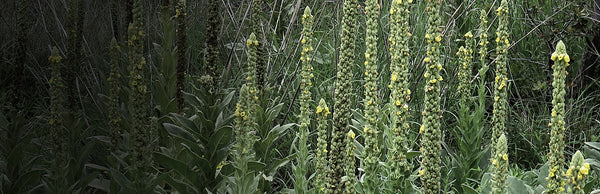
Soft, velvety leaves, light and fluffy in a blend.
Full Mullein Profile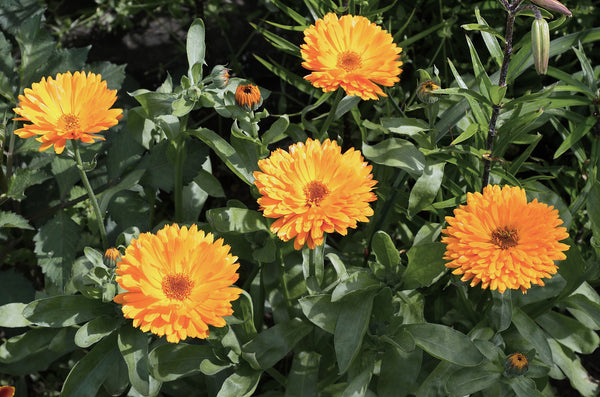
Golden marigold petals, bright in the cup and the garden.
Full Calendula Profile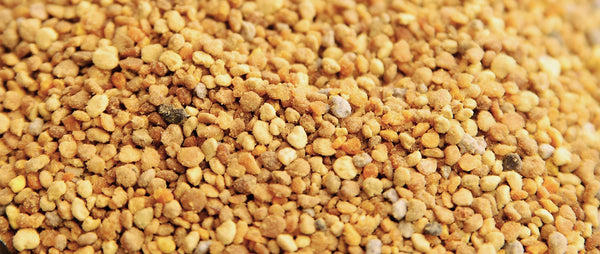
Golden granules gathered by bees, sweet and floral.
Full Bee Pollen Profile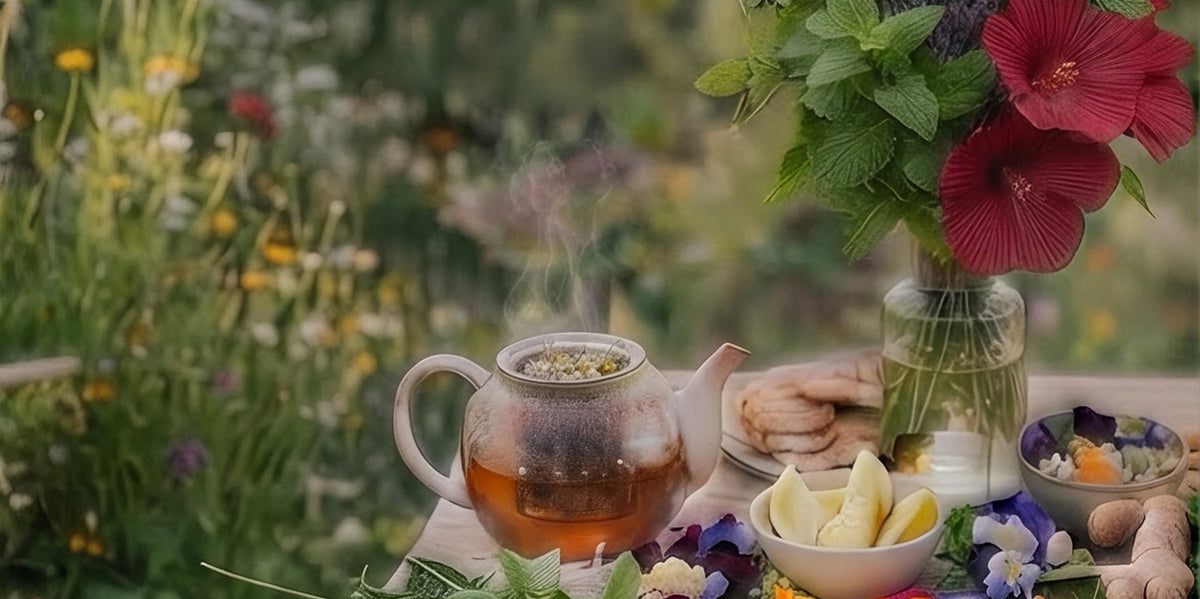
The Flavours of Spring: Herbs for Renewal
Spring has a flavour. After the slower, inward energy of winter, the natural world begins to stir. Fresh shoots emerge, flowers open and everything seems to move towards the light. We can mirror th...
Read more
The Beauty of Bitter: Learning to Love the Forgotten Flavour
We live in a very sweet world. From breakfast cereals and snacks to soft drinks, sauces and ultra-processed foods, our modern diets tend to be much sweeter and more carbohydrate-heavy than those of...
Read more