Gotu Kola Profile
Gotu Kola
Centella asiatica
For grounded clarity, mental presence and long term vitality.


Cart
Your cart is empty

Join us in our love of herbs
Gotu Kola Profile
Centella asiatica
For grounded clarity, mental presence and long term vitality.
Herbal Intelligence
Gotu Kola (Centella asiatica) is a low, creeping herb of the parsley family, native to the wetlands of Asia. Its small round leaves have been used in the Ayurvedic tradition of India for thousands of years, and they are still eaten as a leafy green across South and South-East Asia.
The taste is mild, green and earthy. Most people take Gotu Kola as a tea or a liquid extract, and it is the herb our customers reach for ahead of study or long, thinking work, when they want a clear and settled head.
Gotu Kola has been used in the Ayurvedic tradition of India for thousands of years and is listed in the Sushruta Samhita, one of the ancient Indian medical texts(1). Its Sanskrit name is mandukaparni, and in Ayurveda it is counted among the main herbs for the nerves and the mind(1).
The plant is known well beyond India. It is used in Java and the other Indonesian islands, and in the nineteenth century it was entered in the Indian pharmacopoeia, chiefly as a herb for the skin(1). In parts of India it shares the name brahmi with another herb, Bacopa monnieri, so the two are often confused.
It is as much a food as a herb. Gotu Kola is one of the most commonly eaten green leafy vegetables in Sri Lanka(2), and the fresh leaves are still served as a salad green and pressed into juice.
Gotu Kola leaves contain pentacyclic triterpenoids, such as the saponins asiaticoside and madecassoside and the related asiatic and madecassic acids, along with flavonoids and phenolic acids(3). In the laboratory the triterpenoids are studied for their effects on collagen formation in skin and connective tissue, on small blood vessels and on antioxidant activity(4).
In Western herbalism Gotu Kola is classed as a nervine tonic and a nootropic, and some herbalists count it as a mild adaptogen: a herb taken steadily for a clear, settled mind. It is often blended with Brahmi, Ginkgo and Lion's Mane. It also has a long history of use on the skin, and European regulators accept it as a traditional herbal preparation for that purpose(3).
People build it into study terms and heavy weeks at work. Herbalists usually suggest it in courses of up to six weeks, with a two-week break between(1).
Research in people is limited. A 2017 review of eleven trials found no clear effect on thinking or memory compared with placebo, though some small studies reported better alertness(5). Gotu Kola is generally regarded as safe, but rare cases of liver injury have been reported(6). We describe how it is used, not what it will do.
Developed and reviewed by Laura Grace, Owner and Creative Director of Happy Herb Co, Herb Educator and Registered Ayurvedic Lifestyle Consultant · Clinically reviewed by Tamara Welsh, BSc, AdvDipWHM, ATMS, Clinical Herbalist
This profile is intended as a researched educational guide and does not replace the broader perspective of a herbal consultation.
★★★★★
4.3 out of 5, from 3 reviews
Definitely feel more focused and mentally rejuvenated after a Gotu Kola tea.
Another one I use for my teas for a gaming session
Good taste and easy to enjoy
This is a great herb to have in the morning, it's great mixed with Yerba Mate`, & Tulsi & a dash of licorice root. I steep for around 10 minutes. Great for a sense of ' well being'. Love all of these .
In everyday life
Gotu Kola is used in three main ways.
Gotu Kola is usually taken daily for a few weeks at a time, followed by a break.
The elephant's leaf.
Look at the leaf, small and round like a coin. In Sri Lanka they say elephants, who live long and remember, eat it, and the young leaves are eaten there as a green with rice.
Steep a teaspoon or two for ten minutes. One cup a day is the measure. Drink it sitting on the floor, if your knees allow, as it would be taken in the places it grows.
Sip slowly. Memory is not only what you recall; it is what you choose to keep. What from this week is worth keeping?
In the Botanical Guides
Shop
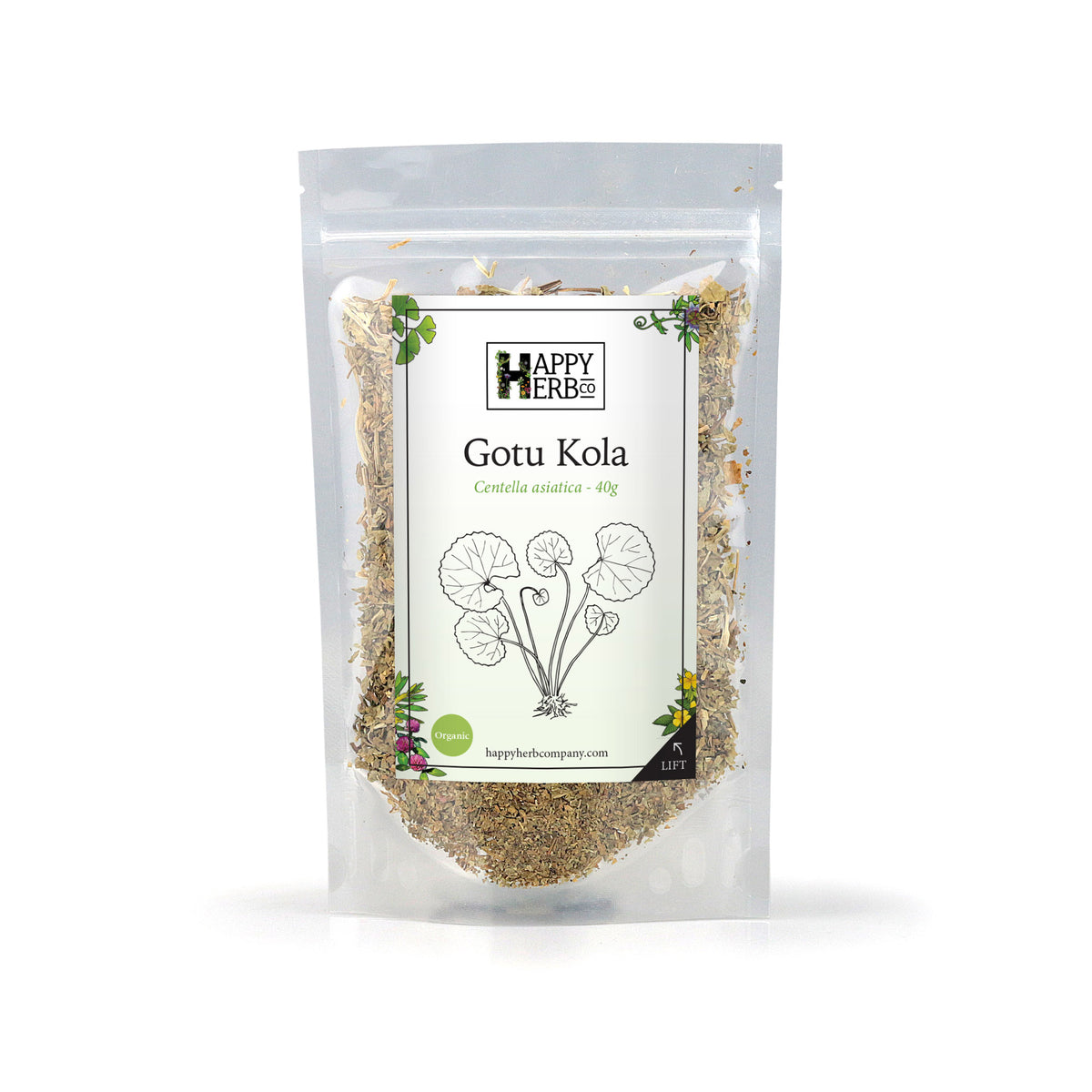
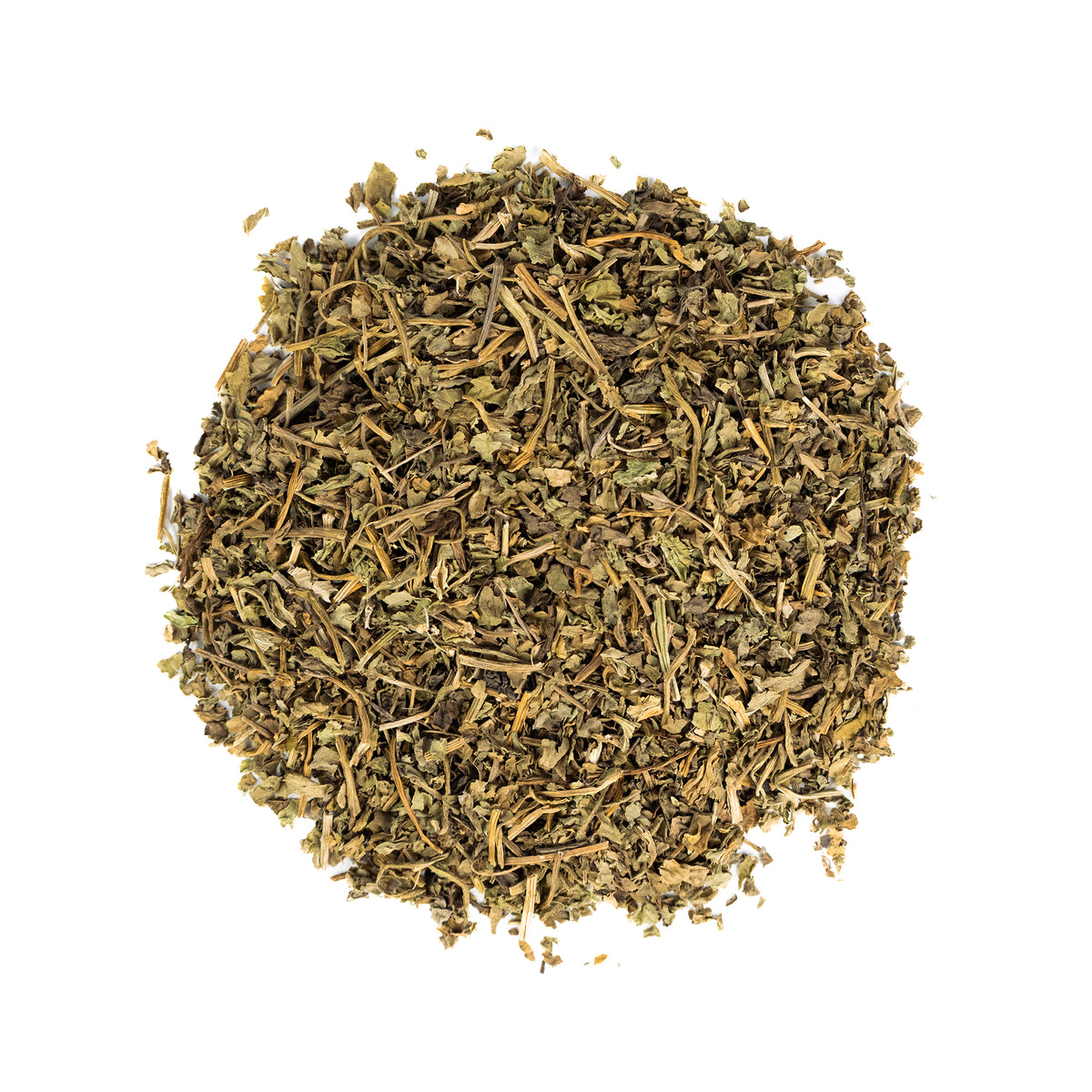
Single Herb
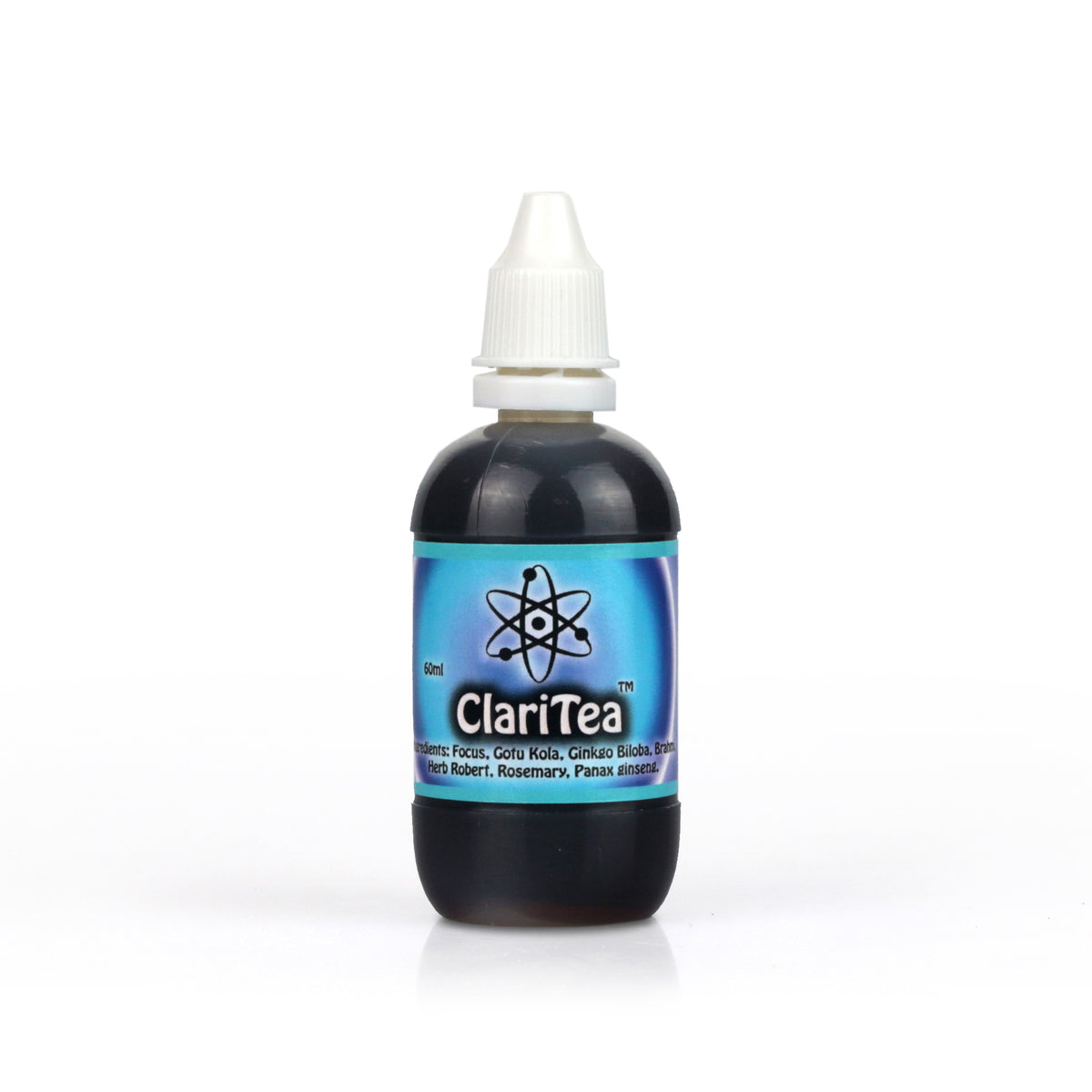
Tea Elixir
Gotu kola, ginkgo, brahmi, herb Robert and rosemary in a liquid extract.
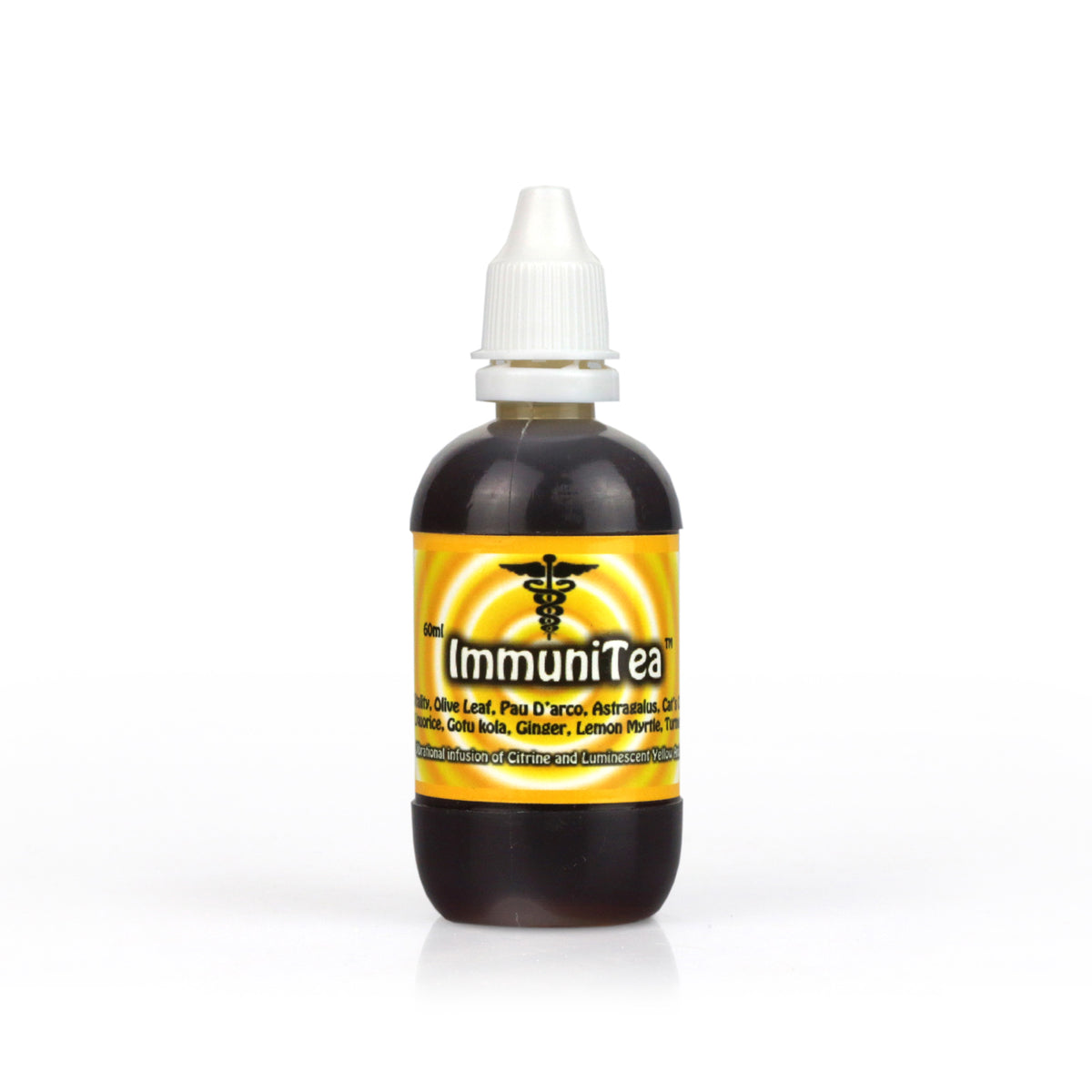
Tea Elixir
Olive leaf, pau d'arco, astragalus, cat's claw and ginger as a concentrate.

Medicine Garden
FAQ
Gotu Kola (Centella asiatica) is a low, creeping herb of the parsley family, native to the wetlands of Asia. Its small round leaves have been used in Ayurveda for thousands of years and are eaten as a leafy green in Sri Lanka and South-East Asia. Today Gotu Kola is taken as a tea or a liquid extract.
Gotu Kola is best known as a herb people reach for when they want a clear, settled head for study or long work. Most people have a cup in the morning or before they sit down to work, daily for a few weeks at a time. It is not a stimulant, so it will not feel like coffee.
Steep about 2 grams of dried Gotu Kola, roughly 1 to 2 teaspoons, in a cup of just-boiled water, covered, for 10 minutes, then strain. The flavour is mild, green and earthy, and Peppermint or Lemon Myrtle can be added for taste. One cup a day is the usual amount.
No. Gotu Kola is naturally caffeine free, so it can be taken at any time of day. Despite the name, it is not related to the Kola Nut, which does contain caffeine. Gotu Kola is a small leafy herb of the parsley family and is not a stimulant.
Gotu Kola has a long record of daily use as both a food and a herb, and it is usually taken every day for a few weeks at a time. A 2010 pharmacological review advises against taking it for more than six weeks without a break, and suggests two weeks off before starting again.
Rarely. The US National Institutes of Health's LiverTox database records a small number of cases of liver injury linked to Gotu Kola, appearing a few weeks into use and resolving after it was stopped. Most people take it without trouble. If you have a liver condition, check with your health professional first, and stop if you notice yellowing of the skin or eyes or dark urine.
Use Gotu Kola with caution if you have a bleeding disorder, and stop before planned surgery. The US National Institutes of Health's LiverTox database records rare cases of liver injury, so stop and seek medical advice if you notice yellowing of the skin or eyes. A 2010 pharmacological review also advises against it during pregnancy and breastfeeding. If you take medication or have a health condition, check with your health professional first.
Use with caution if you have a bleeding disorder, and before surgery. Rare cases of liver injury have been reported with Gotu Kola. Stop taking it and seek medical advice if you notice yellowing of the skin or eyes or dark urine.
As described in the monographs cited under Sources.