
Reishi
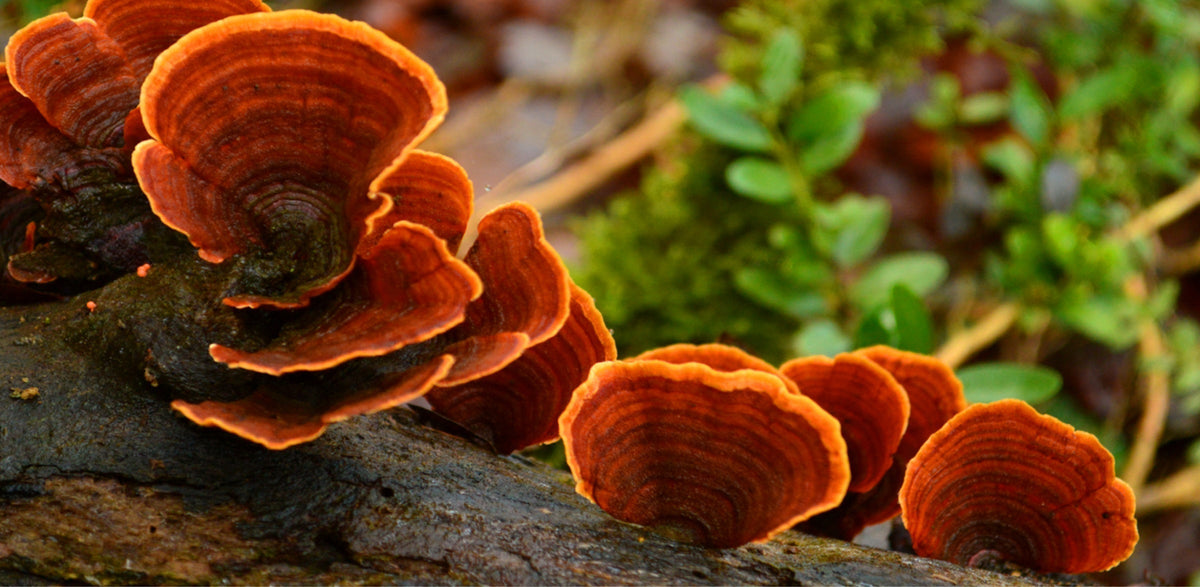
The glossy red 'mushroom of immortality' of Taoist tradition.
Full Reishi Profile
Cart
Your cart is empty

Join us in our love of herbs
There are moments in history when the collective nervous system feels stretched thin. When change moves fast, certainty feels scarce, and the body quietly carries the weight of it all. This moment has that feeling.
With astrological fire-horse energy amplifying momentum, volatility, and bold forward motion, and a global backdrop of geopolitical tension, climate uncertainty, and social recalibration, many of us are feeling both energised and exhausted. Inspired, yet frayed. Ready for change, but craving stability.
This is where adaptogens come in. Not as a cure-all. Not as a productivity hack. But as steady allies - plants and fungi that help us adapt, rather than collapse or harden, in the face of ongoing stress.
In turbulent times, tending to our foundational wellbeing matters more than ever. When the nervous system is supported, it’s easier to meet uncertainty with steadiness, clarity, and perspective.
Keep reading to learn more about how adaptogens work in the body, and find the best ones to support you in these changing times.

Adaptogens are a class of herbs and medicinal mushrooms that support the body’s ability to respond to stress. This includes physical, emotional, environmental, and psychological stressors.
Many adaptogens are also traditional tonic herbs. In systems such as Traditional Chinese Medicine and Ayurveda, tonic herbs are used to gradually build strength, restore vitality, and nourish core reserves over time. They are not quick fixes. They are long-term allies.
Rather than forcing a particular outcome, adaptogens support the body’s regulatory systems and help smooth extremes.
They work by:
Supporting adrenal and nervous system function
Modulating energy, immunity, and hormones
Rebuilding depleted systems gently and consistently
Increasing resilience over time instead of delivering short-term stimulation
Unlike stimulants, which borrow energy from tomorrow, tonic adaptogens invest in your long-term capacity. They replenish what chronic stress has drained.
Energetically, adaptogens do not push. They nourish. They stabilise. They teach the body how to regulate itself again.
In times marked by intensity and uncertainty, this kind of deep support becomes essential.
Below is a guide to key adaptogens for this moment. Not just what they do, but how they feel in the body and nervous system.

Energetics: Strengthening, steady, fortifying
Best for: Long-term stress, fatigue, resilience under pressure
Siberian Ginseng builds stamina and supports immune function. It is ideal for prolonged stress where endurance is required.

Energetics: Warming, stimulating, deeply tonifying
Best for: Significant fatigue, recovery, low vitality
A premier Qi tonic in Traditional East Asian herbalism, Korean Ginseng rebuilds core energy and cognitive strength. Best suited to deeper depletion rather than mild stress.

Energetics: Uplifting, clarifying, cooling to the mind
Best for: Mental fatigue, overwhelm, low mood
Rhodiola supports clarity and emotional steadiness when stress presents primarily in the mind.

Energetics: Light, heart-opening, gently uplifting
Best for: Emotional stress, anxiety, spiritual fatigue
Tulsi calms while elevating. A beautiful ally when stress feels existential or heavy.

Energetics: Warming, grounding, nourishing
Best for: Burnout, anxiety, nervous exhaustion
Ashwagandha restores depleted reserves and supports deeper rest.

Energetics: Protective, strengthening
Best for: Immune support, chronic stress
Astragalus builds foundational resilience and fortifies the body’s outer defences.
Energetics: Calming, descending, restorative
Best for: Anxiety, immune imbalance, emotional fatigue
Reishi supports longevity, immune balance, and deep nervous system restoration.

Energetics: Astringent, integrating, balancing
Best for: Stress tolerance, liver support, scattered energy
Schisandra supports multiple systems at once, helping the body adapt cohesively.

Energetics: Sweet, harmonising, moistening
Best for: Adrenal depletion, dryness, inflammatory patterns
Licorice sustains energy and harmonises formulas, supporting recovery from prolonged stress.

Energetics: Building, regenerative
Best for: Hormonal stress, immune weakness
A whole-body tonic traditionally used to restore vitality across systems.

Energetics: Warming, nourishing, strengthening
Best for: Hormonal balance, stamina, mood resilience
Maca supports endocrine balance and sustained vitality, particularly during periods of transition.

Energetics: Circulatory, stimulating, clarifying
Best for: Memory, focus, cognitive sharpness
Ginkgo supports healthy circulation to the brain and can be particularly helpful when stress impacts concentration.

Energetics: Cooling, calming, clarifying
Best for: Overthinking, nervous tension, mental fatigue
Traditionally used in Ayurveda to support cognition and calm the mind, Brahmi enhances clarity while soothing overstimulation.

Energetics: Cooling, grounding, restorative
Best for: Nervous system repair, mental focus
Gotu Kola nourishes the nervous system and supports steady mental clarity over time.

Energetics: Warming, energising
Best for: Physical stamina, lung support, vitality
Cordyceps increases usable energy without the crash of stimulants.

Energetics: Nourishing, clarifying
Best for: Cognitive health, nerve support, focus
Lion’s Mane supports brain and nerve tissue, making it a valuable ally for long-term cognitive resilience.

Energetics: Grounding, strengthening, antioxidant-rich
Best for: Immune support, oxidative stress, long-term vitality
Chaga is a deeply nourishing mushroom traditionally used to support immune balance and overall resilience.

Adaptogens work best when used consistently over time. They are not quick fixes, but long-term partners in resilience.They work well in conjunction with:
These are long term allies. Subtle at first, yet profoundly strengthening with regular use.
We are living in a time that asks a lot of the human nervous system. Adaptogens do not remove challenge, but they help us meet it with greater steadiness and capacity. Resilience is not about pushing harder, it is about building deeper roots. And that is exactly what tonic herbs have always done. So - if there’s ever been a time to nourish your roots, now is the time.
The glossy red 'mushroom of immortality' of Taoist tradition.
Full Reishi Profile
A naturally sweet root that rounds out any blend.
Full Licorice Root Profile
A dark, earthy mushroom that grows on northern birch trees.
Full Chaga Profile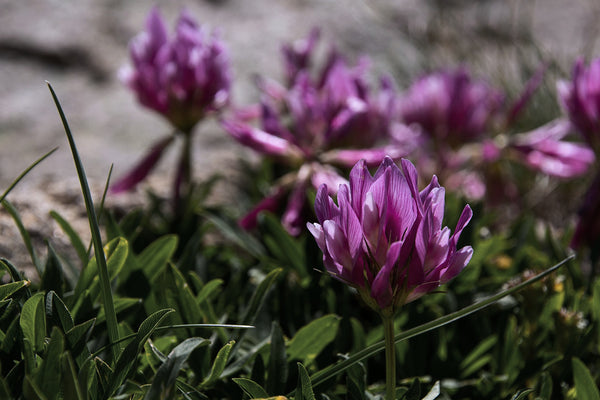
A mild, sweet root, a staple of Chinese herbal tradition.
Full Astragalus Profile
Holy basil, India's sacred, clove-scented herb.
Full Tulsi Profile
A hardy shrub root from the forests of Siberia.
Full Siberian Ginseng Profile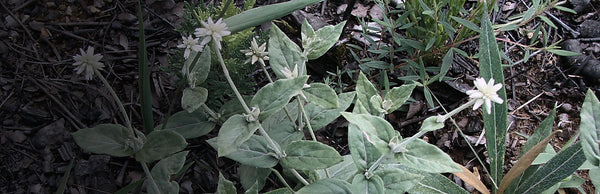
A South American root sometimes called Brazilian ginseng.
Full Suma Profile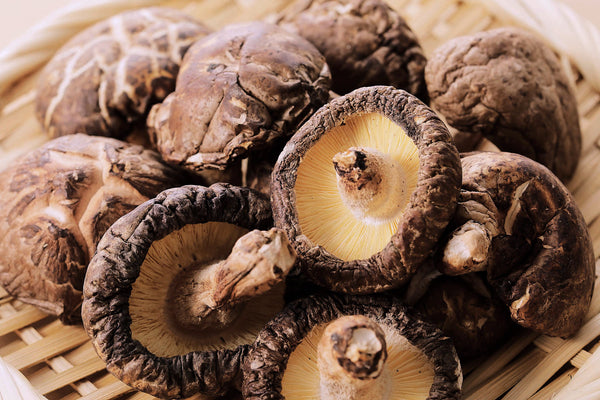
A savoury culinary mushroom, revered in East Asia.
Full Shiitake Profile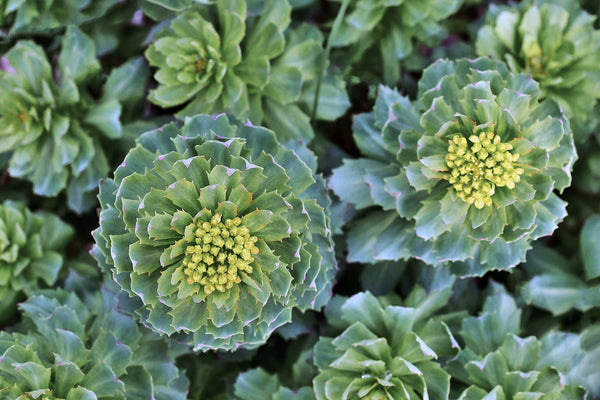
A hardy Arctic root with a rose-like scent.
Full Rhodiola Profile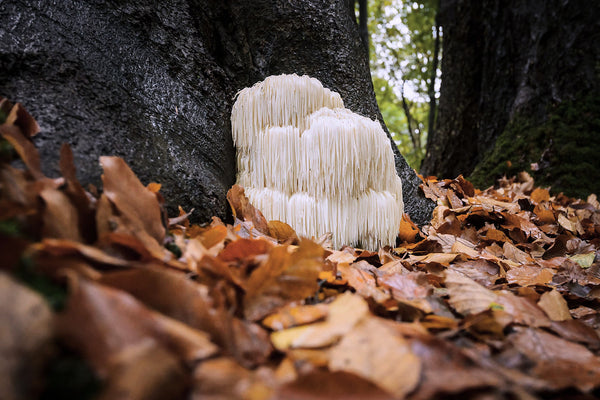
A shaggy white mushroom with a long culinary history.
Full Lion's Mane Profile
The famous root of East Asia, prized for centuries.
Full Korean Ginseng Profile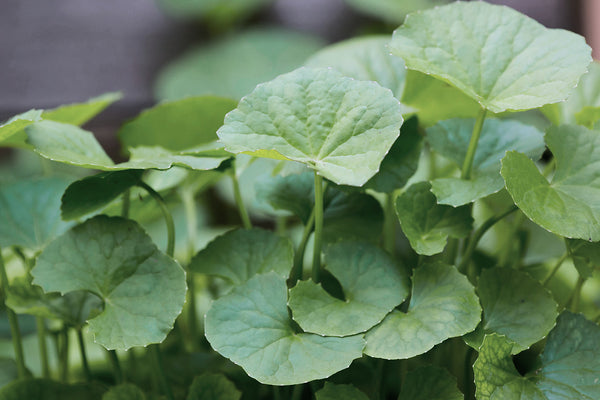
A small round-leafed herb, cherished across Asia.
Full Gotu Kola Profile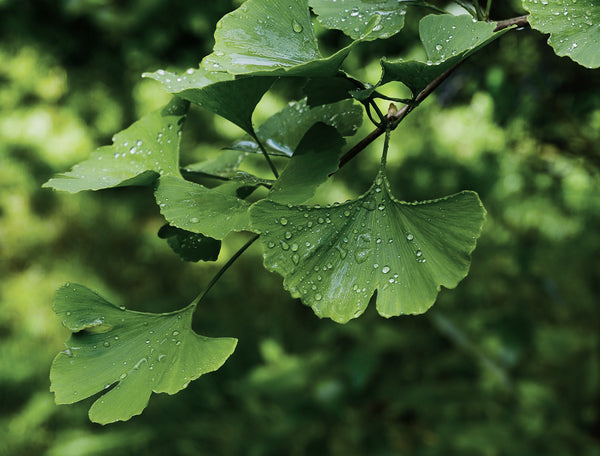
Fan-shaped leaves from one of the oldest tree species on earth.
Full Ginkgo Biloba Profile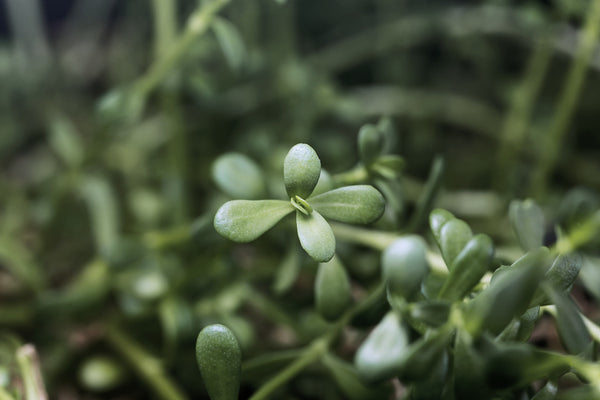
A small creeping water herb, treasured in Ayurveda.
Full Brahmi Profile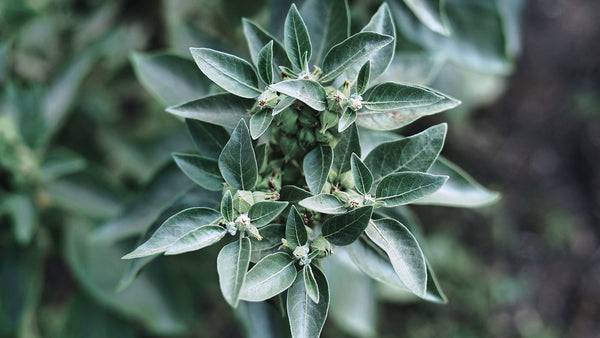
The grounding root at the heart of Ayurveda.
Full Ashwagandha Profile
The 'five-flavour berry' of Chinese tradition.
Full Schisandra Profile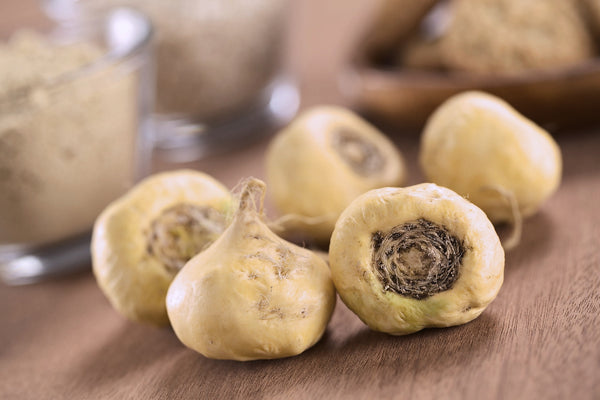
A Peruvian highland root, malty and nourishing.
Full Maca Profile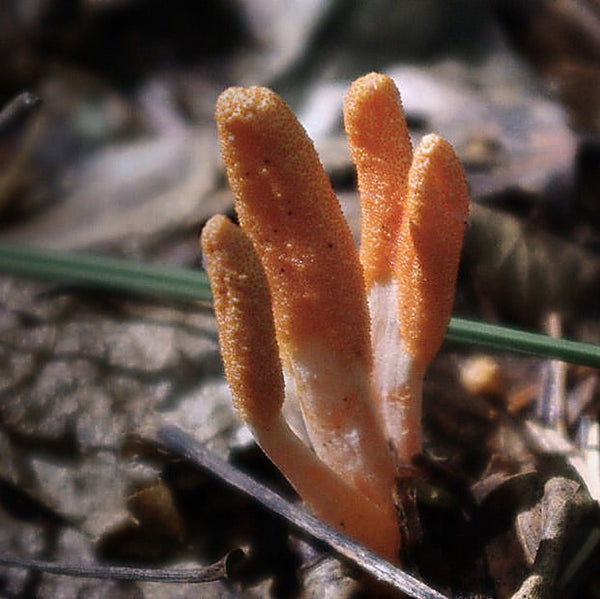
A prized mushroom from the high mountains of Asia.
Full Cordyceps Profile
Herbs to Harness Fire Horse Energy
Every so often, the cosmos stirs with a rare, electric energy. This year, it arrives as the Fire Horse, a symbol of wild courage, transformative power, and untamed change. The Fire Horse invites us...
Read more
Herbs for Immunity: A Complete Guide
Understanding how herbs support immunity is the first step in taking your health into your own hands. This guide breaks it down into three key categories: tonics and adaptogens that strengthen the ...
Read more