Schisandra Profile
Schisandra
Schisandra chinensis
For liver support, whole body toning and adaptogenic resilience.


Cart
Your cart is empty

Join us in our love of herbs
Schisandra Profile
Schisandra chinensis
For liver support, whole body toning and adaptogenic resilience.
Herbal Intelligence
Schisandra (Schisandra chinensis) is a woody climbing vine native to northern China, Korea and far-eastern Russia. Its clusters of deep-red berries are known in Chinese as wu wei zi, the five-flavour fruit, and they have been taken as a tonic across East Asia for centuries.
The taste is like nothing else: sour first, then sweet, salty, bitter and pungent in turn. Most people simmer the berries into a tart, ruby-red tea, or take a powder or liquid extract. It is the herb our customers reach for in long, demanding stretches, when they want to stay steady and keep going.
Schisandra grows wild in the forests of north-eastern China, the Korean peninsula, Japan and the Russian Far East(1). Its Chinese name, wu wei zi, means 'five-flavour fruit': the berry is said to hold all five tastes of Chinese herbal tradition at once. In Korea it is omija, and in Japan gomishi(1, 2).
The plant is described in the Bencao Gangmu, Li Shizhen's great herbal of 1596(2), and Chinese tradition uses the berries as an astringent and a general tonic(1). In Russia they were known as a tonic against hunger and fatigue(2).
That reputation drew Soviet scientists, who studied the berry for two decades. In the early 1960s Schisandra was recognised as an adaptogen in the official medicine of the USSR(3). The fruit now has monographs in the Chinese, Japanese, Korean and Russian pharmacopoeias(2).
The red fruits of Schisandra chinensis concentrate dibenzocyclooctadiene lignans, such as schisandrin A to C and gomisin A, alongside triterpenoids, organic acids and volatile constituents(4). In experimental models these lignans are studied for their effects on antioxidant and mitochondrial pathways, and on the enzymes and transporters that process other compounds, notably CYP3A and P-glycoprotein(5, 6).
In Western herbalism Schisandra is classed as an adaptogen and an astringent tonic: a berry taken steadily through periods that ask a lot of body and mind. It is often paired with Reishi, Astragalus or Rhodiola.
People use it on working days and training days: a tart cup in the morning, a spoonful of powder in a smoothie, or a liquid extract in a little water. It is usually taken daily for weeks at a time.
Much of the research is Russian, from the Soviet decades, and reports on endurance, mental performance and working capacity(3). The World Health Organization's monograph is more cautious: it lists no uses supported by clinical data, because controlled clinical trials are lacking(1). So we describe how it is used, not what it will do.
Clinically reviewed by Tamara Welsh, Clinical HerbalistLast reviewed
This profile is intended as a researched educational guide and does not replace the broader perspective of a herbal consultation.
★★★★★
5.0 out of 5, from 3 reviews
Delicious, used in a daily mixed herbal tea.
Ahhhh, freshly brewed herbal teas are so much tastier than teabags!
The berries are fresh + squishy.
I'm a Mum in peri menopause so this is working really well for me.
Herbs came in great timing + beautifully boxed.
Agreed Claire freshly brewed is delicious! So glad you are enjoying our Schizandra.
Herbs arrived beautifully packaged and very quickly.
Their service is even better than the fabulous quality herbs
Hi Yvette! Thank you so much for taking the time to share a review! We really appreciate your support and look forward to connecting more in the future! Cheers x
Thank you so much for the accurate description of the herbs that I purchased. I love them all. I will purchase again. ❤️
In everyday life
Schisandra berries are used in three main ways.
Schisandra is usually taken daily for several weeks at a time, most often earlier in the day.
Five flavours at once.
Put a single dried berry on your tongue and wait. Sour first, then sweet, then salt, then bitter, then a pungent finish. In Chinese it is wu wei zi, the five-flavour fruit, and it earns the name.
Simmer a teaspoon or two for fifteen minutes until the water is deep red, and add honey. Drink it in the morning, when all five of your senses are waking up.
Sip slowly. A whole life in one berry, and none of the flavours cancels another. What are you tasting right now that you had been calling just one thing?
Shop


Single Herb
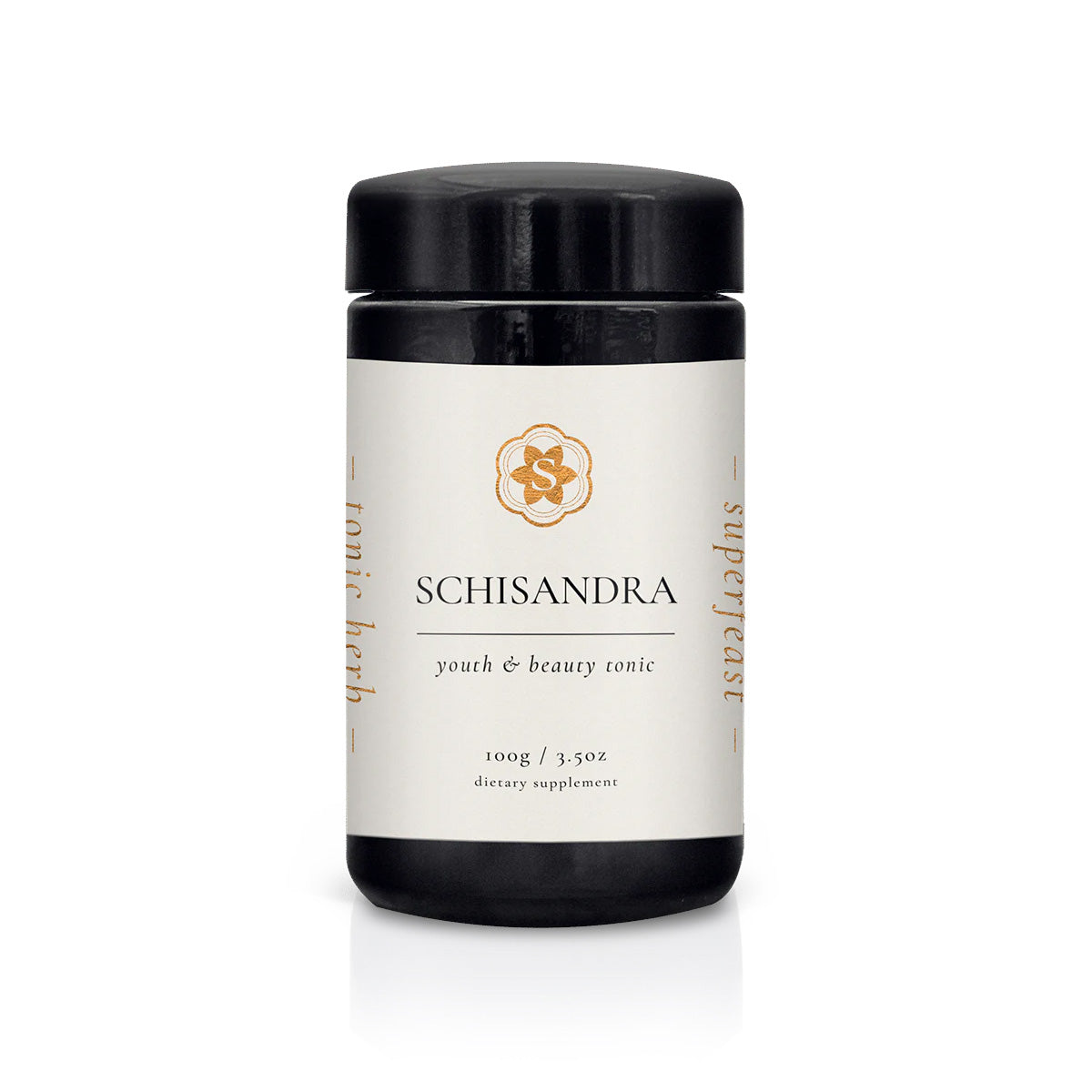
SuperFeast
For liver support, whole body toning and adaptogenic resilience.
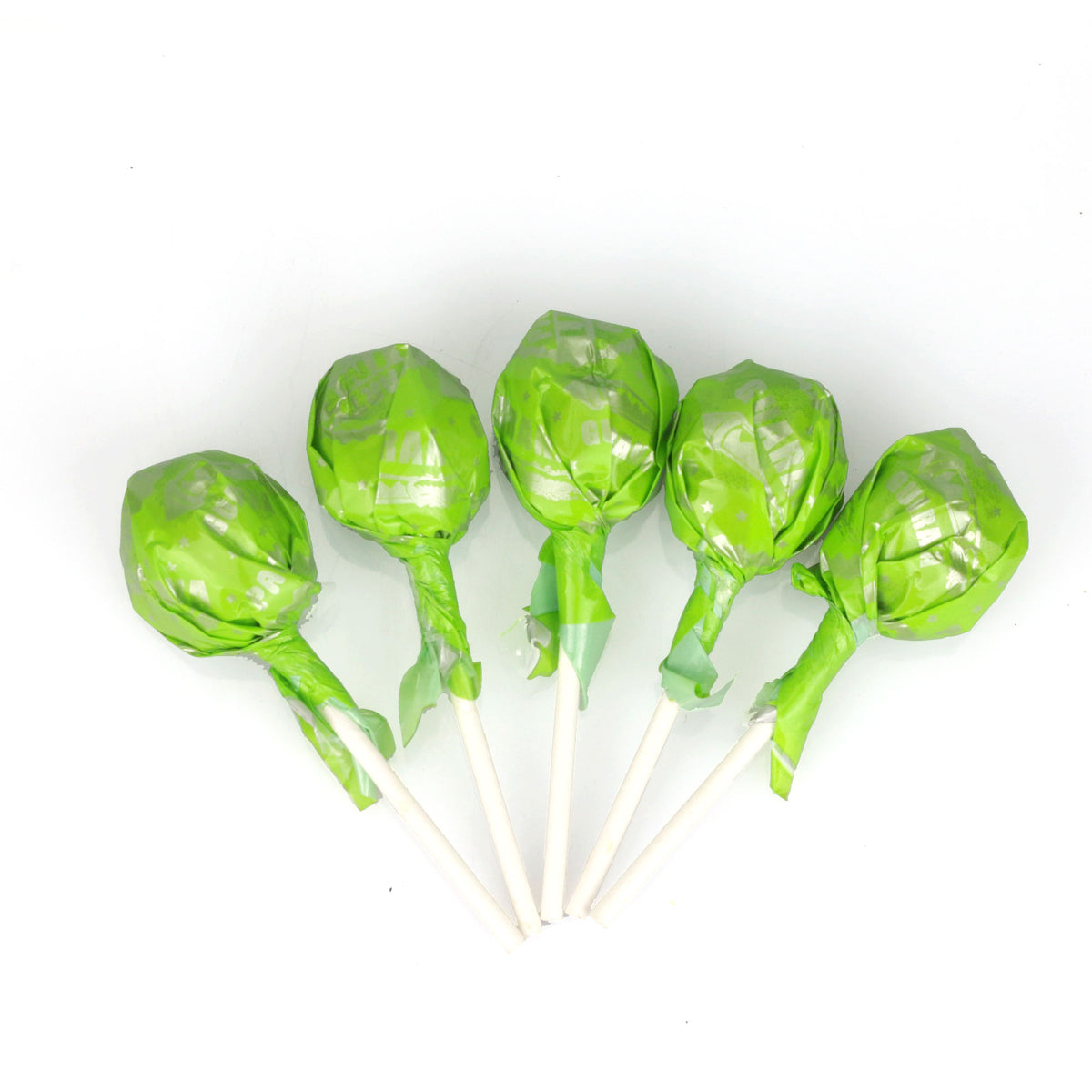

Party Pop
Lollipops with guarana, kola nut, yerba mate, schizandra and rou gui.
FAQ
Schisandra (Schisandra chinensis) is a woody climbing vine native to northern China, Korea and far-eastern Russia. Its deep-red berries are known in Chinese as wu wei zi, the five-flavour fruit, and have been taken as a tonic across East Asia for centuries. Today Schisandra is simmered into a tart tea or taken as a powder or liquid extract.
Schisandra is long associated with stamina and resilience. In Chinese herbal tradition the berries are taken as a general tonic, and in Russia Schisandra was recognised as an adaptogen in the early 1960s. The World Health Organization notes that controlled clinical trials are lacking, so we describe how it is used, not what it will do.
Schisandra is best known as a herb people reach for when they are in a long, demanding stretch of work or training and want to stay steady and keep going. Most people take it daily for several weeks at a time, as a cup of tea or a spoonful of powder earlier in the day.
Simmer 2 to 4 grams of dried Schisandra berries, roughly 1 to 2 teaspoons, in a cup of water for 15 minutes, then strain. Because they are berries, they need simmering, not steeping. The tea is tart and deep red, and a little honey softens the sourness.
No. Schisandra is naturally caffeine free. It is the berry of a climbing vine, not a true tea, and Schisandra tea gets its lift from its sharp, sour taste. Check the label of blended products, which may include other ingredients such as Guarana.
Schisandra is known as the five-flavour fruit because it is said to carry all five tastes: sour, sweet, salty, bitter and pungent. Sour comes first and strongest, from the pulp of the berry, while the seeds are pungent and a little bitter. As a tea it is tart and deep red, and many people add honey.
Schisandra is traditionally avoided during pregnancy, and the World Health Organization's monograph does not recommend it while breastfeeding. Avoid it if you take immunosuppressant medication. It can change how the liver processes some prescription medicines, such as warfarin, so combine them only under supervision. It can cause mild nausea, heartburn or headache in sensitive people. If you take medication or have a health condition, check with your health professional first.
Milk Thistle, Schisandra, and Turmeric are particularly protective against alcohol-induced liver damage. They help prevent oxidative stress, reduce inflammation, and support liver regeneration. Still, the best protection is reducing alcohol intake.
Exhaustion that has lasted weeks is a matter for your GP first, who can check for causes such as low iron or thyroid trouble.
Within that, the herbs people reach for are the adaptogens, Ashwagandha, Schisandra and Rhodiola, taken daily for a few weeks, and Licorice Root in small amounts for short stretches of no more than four weeks. Rebuilding the adrenals is a traditional way of describing these herbs, not something trials have shown, so we describe how they are used, not what they will do.
Yes. Liver stagnation or poor detoxification can manifest as acne, eczema, or rashes. Herbs like Burdock Root, Dandelion, Schisandra and Yellow Dock help clear the liver and support elimination pathways, which can lead to clearer skin.
There are many herbs that can support, protect, and detoxify the liver — each offering unique benefits. Here are some of the most effective:
Schisandra (Schisandra chinensis) is a powerful liver tonic and adaptogen used in both Traditional Chinese Medicine and modern herbalism. It's especially helpful when your liver needs protection, rejuvenation, or support under stress. Here are the most common situations where Schisandra shines:
When you're under chronic stress or burnout
Schisandra supports both the liver and the nervous system. It’s ideal when emotional or physical stress contributes to liver load, fatigue, or hormonal imbalances.
After alcohol or toxin exposure
Schisandra enhances the liver’s natural detoxification enzymes (Phase I & II), helping your body clear alcohol, medications, and environmental toxins more effectively.
When dealing with hormonal imbalances
The liver is key in processing hormones. Schisandra helps regulate estrogen levels and may ease PMS, irritability, and stress-related hormone disruptions.
For antioxidant protection and liver regeneration
Rich in lignans like schisandrin, Schisandra helps protect liver cells from oxidative stress and supports regeneration after illness or toxic overload.
When taking medications that affect liver health
Schisandra may reduce drug-induced liver damage and improve liver enzyme balance — always consult your healthcare provider if you’re on medications.
As a daily tonic for vitality and clarity
Gentle enough for everyday use, Schisandra supports clear thinking, emotional balance, and sustained energy, while giving your liver ongoing protection.
Traditionally avoided during pregnancy. Can cause mild side effects such as nausea, heartburn or headache in some sensitive people. Avoid if taking immunosuppressant medication. Not recommended while breastfeeding. Schisandra can change how the liver processes some prescription medicines, such as warfarin. If you take prescription medicine, use Schisandra only under your health professional's supervision.
As described in the monographs cited under Sources.