Reishi Profile
Reishi
Ganoderma lucidum
For immune resilience, nervous system support and deep vitality.


Cart
Your cart is empty

Join us in our love of herbs
Reishi Profile
Ganoderma lucidum
For immune resilience, nervous system support and deep vitality.
Herbal Intelligence
Reishi (Ganoderma lucidum) is a glossy, red-brown bracket mushroom that grows on hardwood trees, native to East Asia. Known in China as lingzhi, it has been taken as a tonic in Asia for over two thousand years, and it is often called the mushroom of immortality.
The taste is bitter, earthy and rich. Reishi is too woody to eat, so most people take it as a liquid extract, as a powder stirred into a hot drink, or in capsules. It is the herb our customers reach for as a daily tonic, when they want to feel calm, steady and well resourced over the long run.
Reishi has been taken in Asia for over two thousand years(1). Its Chinese name, lingzhi, joins the ideas of spiritual potency and the essence of immortality, and is usually rendered as 'herb of spiritual potency'(2). In Japan the same mushroom is called reishi or mannentake(3).
In Chinese culture it became a symbol as much as a remedy, standing for success, wellbeing, divine power and long life(2). Unusually for a cultivated mushroom, it is grown for its place in medicine, not for the table(2).
The traditional preparations are teas and tonics(3). Today Reishi is also sold as liquid extracts, powders and capsules, made from the fruiting body, the mycelium or the spores(2, 3).
Reishi's main constituents are polysaccharides, including beta-glucans, and triterpenoids, among them the ganoderic acids(3). In the laboratory the beta-glucans are studied for their action on immune cells, and the triterpenoids for their effects on inflammation, on blood pressure and on the liver, which is where Reishi's traditional reputation sits(2, 3). Products are made from different parts of the mushroom, the fruiting body, the mycelium or the spores, so what they contain varies from one to the next(2, 3).
In Western herbalism Reishi is classed as an adaptogen and an immune tonic: a mushroom taken steadily, for months and not days. It is thought of as calming, not stimulating, so it is as likely to be taken in the evening as in the morning.
People build it into a daily routine: a spoonful of powder in the morning coffee or the evening cacao, a liquid extract in a little water, a capsule with breakfast. It is often combined with other tonic mushrooms such as Chaga and Cordyceps.
Reishi has been widely studied in the laboratory, but the evidence in people is thin. A 2023 review in the Journal of Primary Health Care found no definitive evidence that it works for any condition(3), and a Cochrane review of five trials found no effect on blood pressure, blood sugar or cholesterol(1). So we describe how it is used, not what it will do.
The caution we give about low blood pressure comes from Reishi's traditional classification and from laboratory and animal work, not from a settled finding in people. A 2012 trial in 26 people with borderline blood pressure found no change over twelve weeks(5), and the 2015 Cochrane review found no clear effect either(1). We keep the caution because the question is open, not because the answer is in.
Developed and reviewed by Laura GraceClinically reviewed by Tamara Welsh, Clinical HerbalistLast reviewed
This profile is intended as a researched educational guide and does not replace the broader perspective of a herbal consultation.
In everyday life
Reishi is taken in four main ways.
Reishi is usually taken daily for months at a time.
The long way round.
Hold a piece of reishi. It is hard, glossy and almost weightless, a mushroom that grows slowly on fallen wood and has been painted on Chinese scrolls for two thousand years.
Simmer a few slices for twenty minutes or longer, or set a pot going overnight, and let the kitchen fill with its bitter, woody scent. Pour, sit, and let the bitterness arrive.
Sip slowly. Reishi does not hurry, and it asks the same of you. What in your life is better for being slow?
In the Botanical Guides
Shop
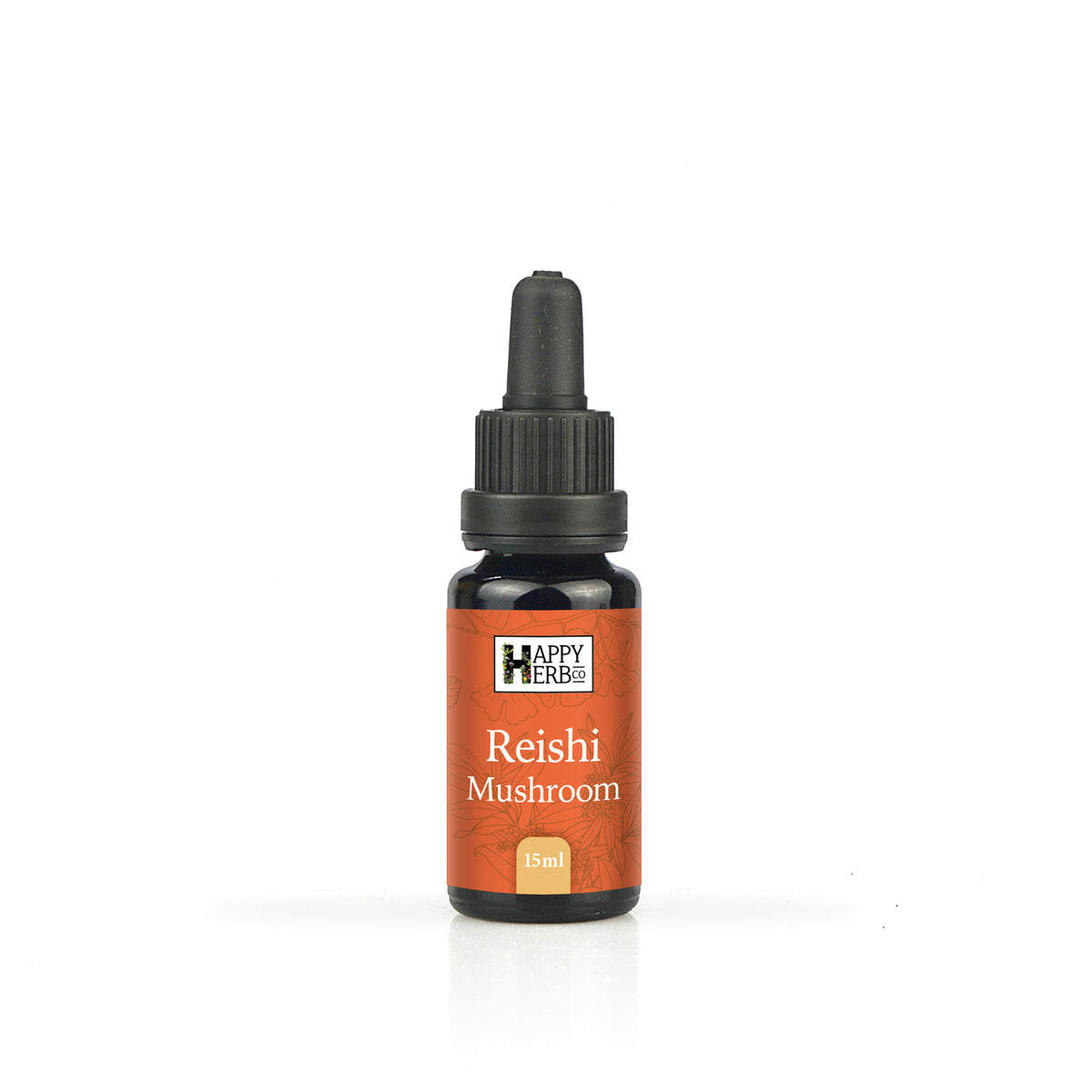
Spagyric
For immune resilience, nervous system support and deep vitality.


SuperFeast
For immune resilience, nervous system support and deep vitality.
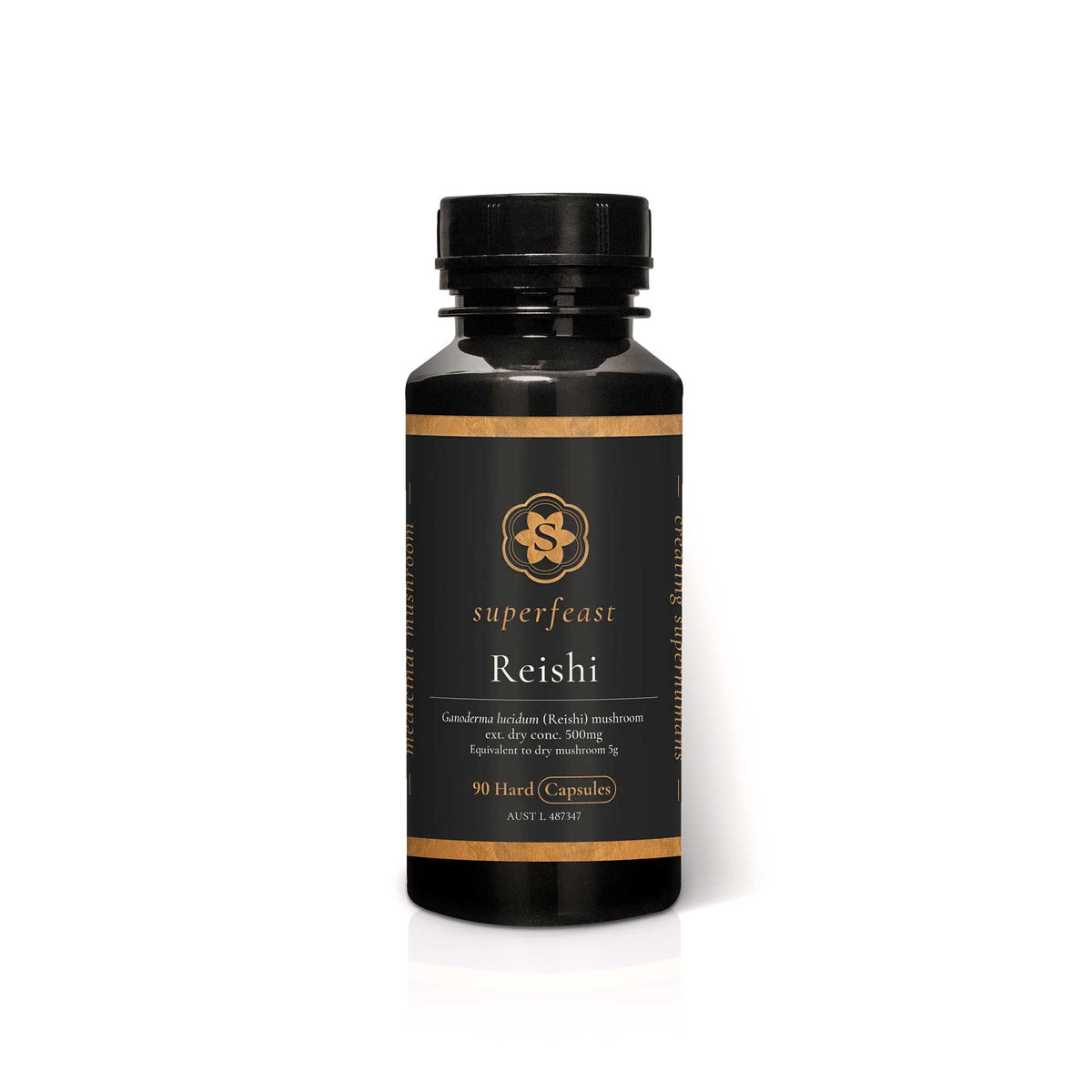
SuperFeast
For immune resilience, nervous system support and deep vitality.
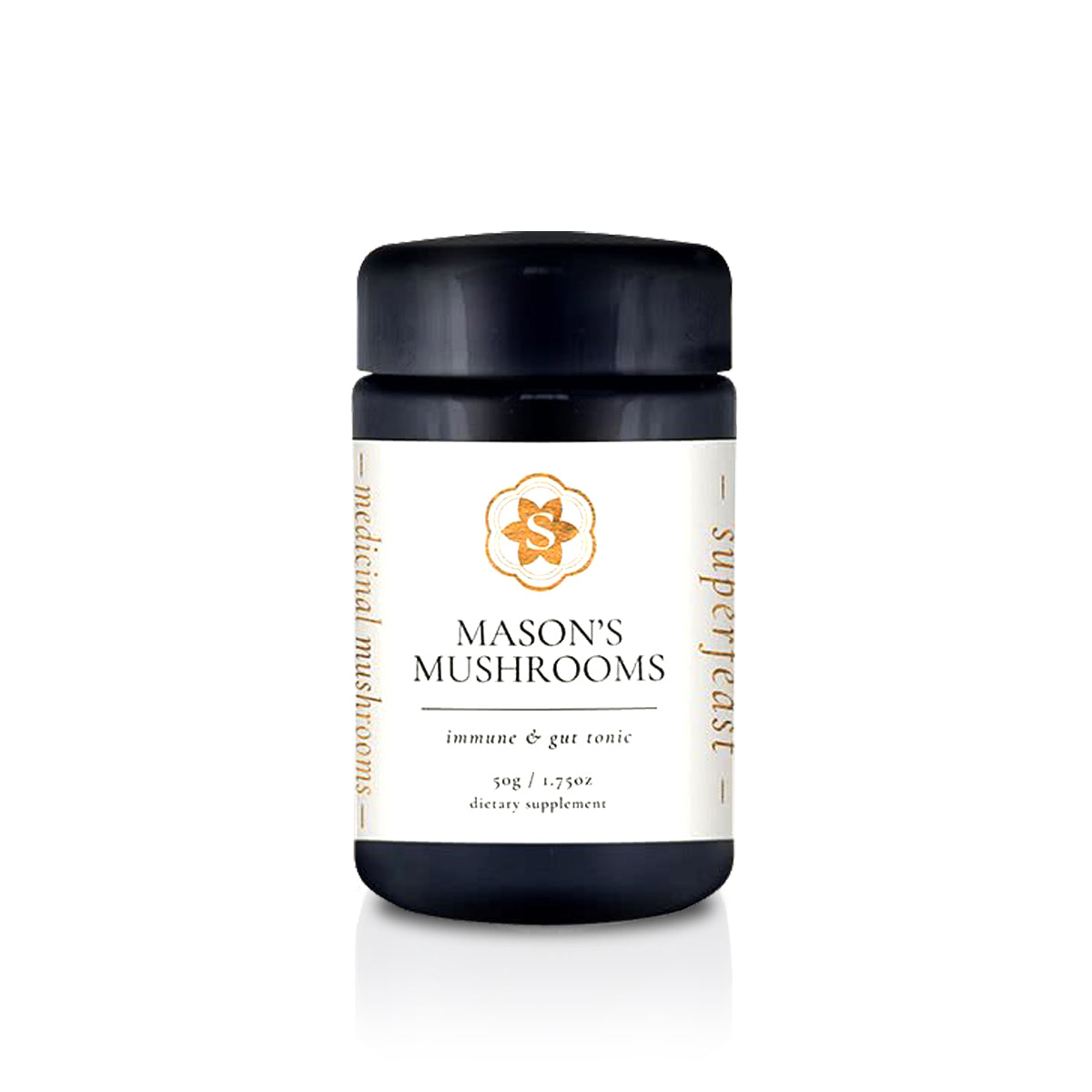
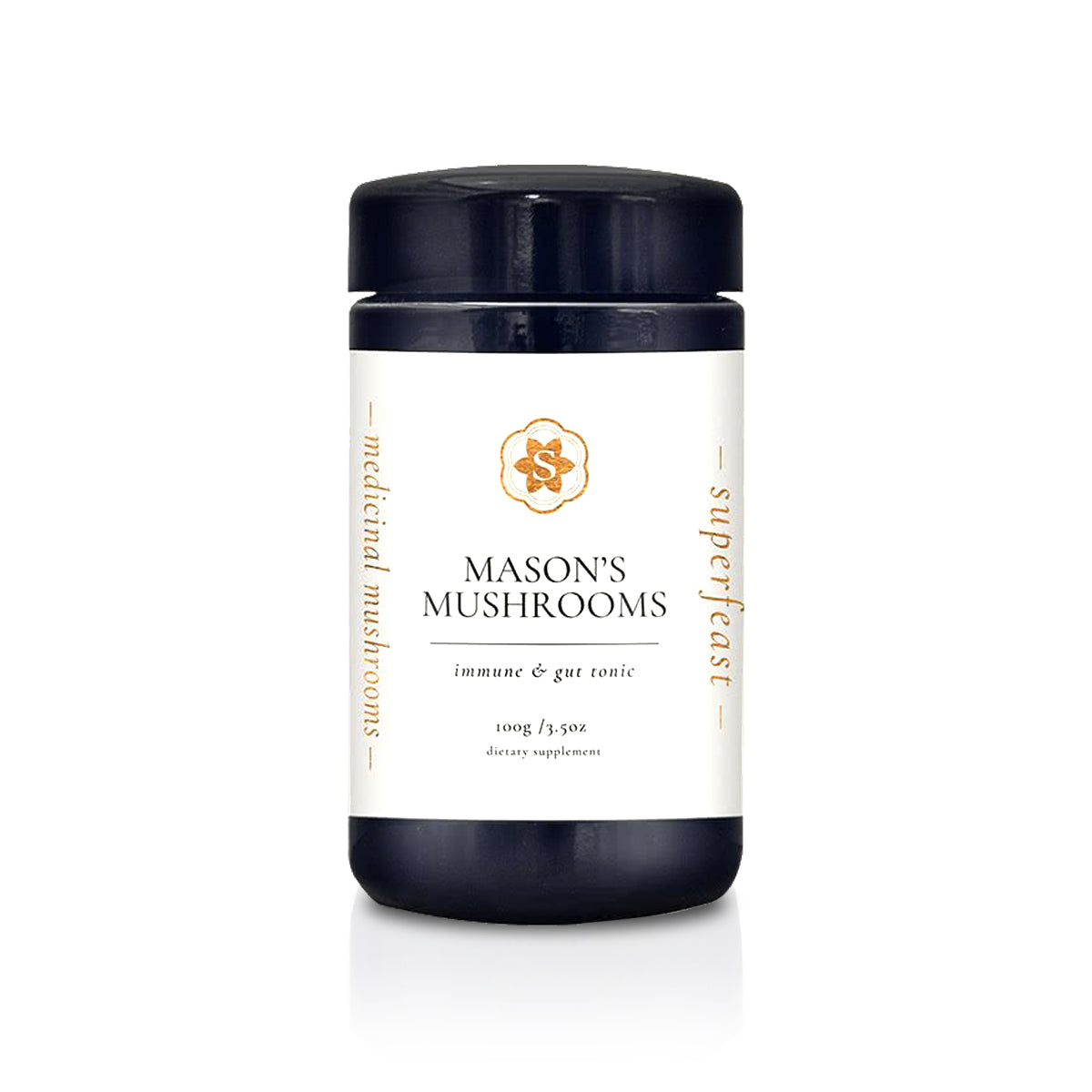
SuperFeast
Eight mushroom extracts, from wild chaga and reishi to lion's mane.
FAQ
Reishi (Ganoderma lucidum) is a glossy, red-brown bracket mushroom native to East Asia, known in China as lingzhi and often called the mushroom of immortality. It has been taken as a tonic in Asia for over two thousand years. Reishi is too woody to eat, so today it is taken as a liquid extract, a powder, a tea or in capsules.
Reishi is long associated with vitality, calm and immune resilience. In Chinese tradition it is a symbol of long life, taken as a tea or tonic, and Western herbalists class it as an adaptogen and an immune tonic. A 2023 review found no definitive evidence that Reishi works for any condition, so we describe how it is used, not what it will do.
Reishi is best known as a herb people reach for when they want a steady daily tonic through a demanding season. Most people take it every day for months at a time, as a liquid extract, powder or capsule, morning or evening. It is a mushroom for the long run, not for the day you feel run down.
Take Reishi as a liquid extract in a little water, as a powdered extract stirred into hot water, coffee, cacao or broth, or in capsules, following the directions on the label. The traditional way is a long-simmered tea: dried Reishi slices cooked in water on a low heat for at least 8 hours, then strained.
No. Reishi is naturally caffeine free. It is a mushroom, not a tea or coffee plant, and many people take it in the evening. Reishi is often stirred into coffee or sold in mushroom coffee blends, and those drinks do contain caffeine from the coffee, so check the label.
Yes. Lingzhi is the Chinese name and Reishi the Japanese name for the same mushroom, Ganoderma lucidum. In Japan it is also called mannentake. Lingzhi is usually translated as 'herb of spiritual potency', and in Chinese culture the mushroom is a symbol of success, wellbeing and long life.
Avoid Reishi if your blood pressure is low, and stop it at least two weeks before planned surgery. Talk to your health professional if you take blood-thinning or immunosuppressant medication. Isolated cases of liver injury have been reported. A 2023 Journal of Primary Health Care review also advises avoiding Reishi during pregnancy and breastfeeding. If you take medication or have a health condition, check with your health professional first.
Avoid Reishi if your blood pressure is low. Stop using Reishi at least 2 weeks before scheduled surgery. Talk to your health professional before use if you take blood-thinning medication such as warfarin, or immunosuppressant medication. Isolated cases of liver injury have been reported with Reishi.
As described in the monographs cited under Sources.
Log in or create an account to use your points.