Ginkgo Biloba
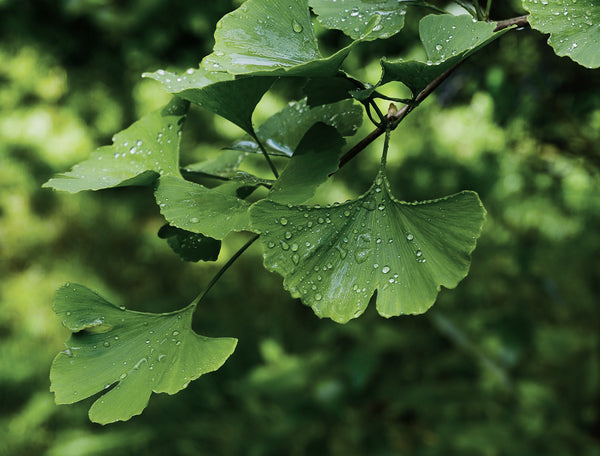
Fan-shaped leaves from one of the oldest tree species on earth.
Full Ginkgo Biloba Profile
Cart
Your cart is empty

Join us in our love of herbs

When most people hear the word nootropic, they think of memory, focus and mental performance. While these cognitive benefits are certainly part of their story, the world of herbal nootropics extends far beyond the brain.
Many traditional nootropic herbs have been valued for centuries as whole-body tonics - supporting resilience to stress, healthy ageing, energy, mood and overall vitality. Rather than simply helping us “do more”, they can be viewed as long-term allies that help us maintain balance, clarity and wellbeing throughout life.
After all, the brain does not exist in isolation. A healthy mind is deeply connected to a healthy nervous system, balanced stress response, nourished circulation and resilient body.
Let’s explore how nootropic herbs can support a long and vibrant life.
One of the greatest challenges to longevity in the modern world is chronic stress. Over time, prolonged stress can impact sleep, mood, immune health, energy levels and the body’s ability to repair and restore.
This is where adaptogenic herbs can be particularly valuable. Herbs such as Ashwagandha (Withania somnifera), Rhodiola (Rhodiola rosea), Tulsi (Ocimum tenuiflorum) and Schisandra (Schisandra chinensis) have traditionally been used to help the body adapt to physical, mental and emotional stress.
Ashwagandha is revered in Ayurveda as a rejuvenating tonic, while Rhodiola is valued for mental stamina and resilience during times of stress or fatigue. Tulsi supports emotional balance and calm clarity, while Schisandra is traditionally regarded as a longevity tonic for endurance, adaptability and vitality.
By helping the nervous system remain adaptable, these herbs support one of the foundations of healthy ageing: resilience.
Cognitive health is an important part of longevity. Supporting the brain means supporting the processes that influence memory, learning, communication between nerve cells and healthy ageing.
Lion’s Mane (Hericium erinaceus) has become one of the most celebrated medicinal mushrooms for cognitive wellbeing and is traditionally used to nourish the mind. Brahmi (Bacopa monnieri) has a long history in Ayurveda as a rejuvenating tonic for memory, learning and mental clarity, while Ginkgo (Ginkgo biloba) is particularly valued for supporting healthy circulation to the brain.
These herbs offer different pathways of support, but share a common purpose: helping us maintain a clear, resilient and nourished mind throughout life.
Supporting the brain is not only about staying sharp - it’s about preserving curiosity, connection and quality of life as we age.
Healthy circulation is essential for delivering oxygen and nutrients throughout the body. The brain, heart and other organs all rely on efficient blood flow to function well.
Ginkgo (Ginkgo biloba) has traditionally been used to support circulation, particularly microcirculation, while Gotu Kola (Centella asiatica) is revered in Ayurvedic and traditional herbal medicine as a rejuvenative herb for the mind, circulation and connective tissues. Korean Ginseng (Panax ginseng) has been used for thousands of years in Traditional Chinese Medicine as a tonic for Qi, stamina and overall vitality.
Healthy circulation supports far more than cognition - it helps nourish the entire body and maintain energy and vitality as we move through life.
Vitality begins at the cellular level. Our mitochondria - the energy centres within our cells - play a key role in producing the energy needed for movement, repair, resilience and everyday function.
Some nootropic herbs also have a fascinating relationship with cellular energy. Schisandra (Schisandra chinensis), for example, is traditionally valued as an adaptogenic longevity tonic, while modern research suggests it may support mitochondrial function by helping maintain cellular energy production, strengthening protective antioxidant pathways and supporting the stability of these vital energy centres.
Rhodiola (Rhodiola rosea) is traditionally used to support stamina and the body’s ability to adapt to physical and mental demands, while Lion’s Mane (Hericium erinaceus) offers a unique connection between cellular vitality and nervous system health.
True vitality is about supporting the body’s natural ability to create, restore and maintain energy.
Longevity is not just measured in years lived - it is measured in the quality of those years. Emotional wellbeing, motivation, connection and a balanced nervous system are essential parts of a fulfilling life.
Some nootropic herbs support the mind in ways that extend beyond cognition. Mucuna (Mucuna pruriens) is a revered Ayurvedic herb traditionally used as a rejuvenating tonic for the nervous system and is naturally rich in L-DOPA, a precursor to dopamine. It has long been valued for supporting motivation, mood and vitality.
Saffron (Crocus sativus) has been treasured for centuries and is valued for promoting emotional balance and a brighter outlook, while Tulsi (Ocimum tenuiflorum) supports resilience, calm and inner balance.
A healthy mind is not only one that remembers - it is one that feels engaged, connected and inspired.
Modern wellness culture often frames nootropics as tools for optimisation - helping us focus harder, work longer and achieve more.
But the traditional use of these herbs tells a much deeper story. Nootropics can support memory, focus and concentration, while also helping nourish the systems that influence lifelong wellbeing - including stress resilience, emotional balance, energy, vitality and healthy cognitive ageing.
They can be valuable allies during times of mental fatigue or increased cognitive demands, or simply when we want to support our brain’s natural ability to adapt, learn and stay healthy throughout life.
Common uses of nootropic herbs include:
When we stop seeing nootropics as productivity tools and start seeing them as lifelong allies, their true value becomes clear.
They’re not just about sharper thinking - they’re about supporting the foundations of a long and happy life. Through their ability to support cognitive function, memory, focus, resilience, mood and vitality, nootropic herbs can help nourish both the mind and body as we move through the seasons of life.
Chosen wisely, they become trusted companions for longevity - helping us stay clear-minded, energised, balanced and deeply well for years to come.
Fan-shaped leaves from one of the oldest tree species on earth.
Full Ginkgo Biloba Profile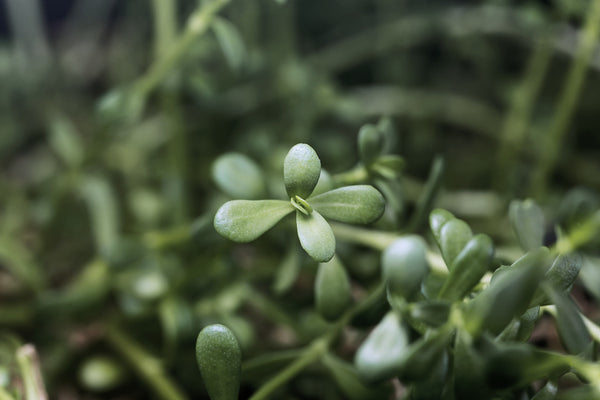
A small creeping water herb, treasured in Ayurveda.
Full Brahmi Profile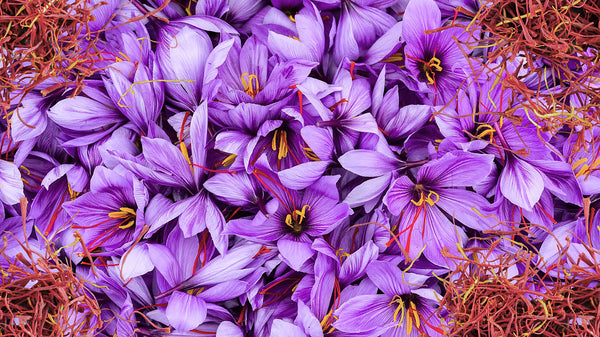
Hand-picked crimson threads, the world's most precious spice.
Full Saffron Profile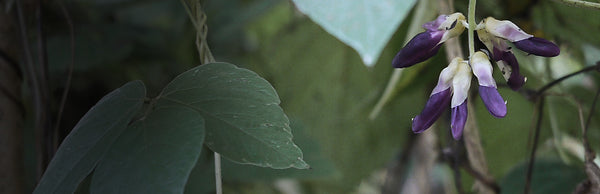
The velvet bean, a staple of Ayurvedic tradition.
Full Mucuna Profile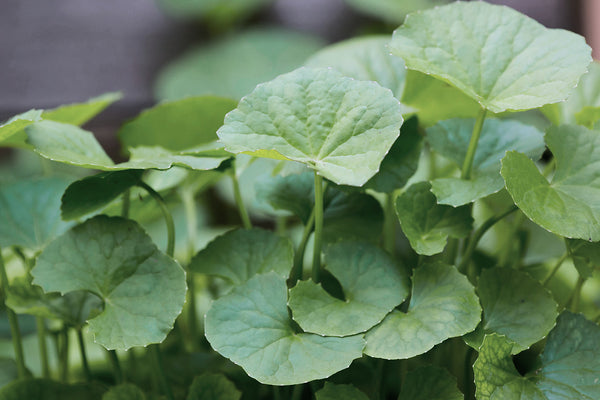
A small round-leafed herb, cherished across Asia.
Full Gotu Kola Profile
The famous root of East Asia, prized for centuries.
Full Korean Ginseng Profile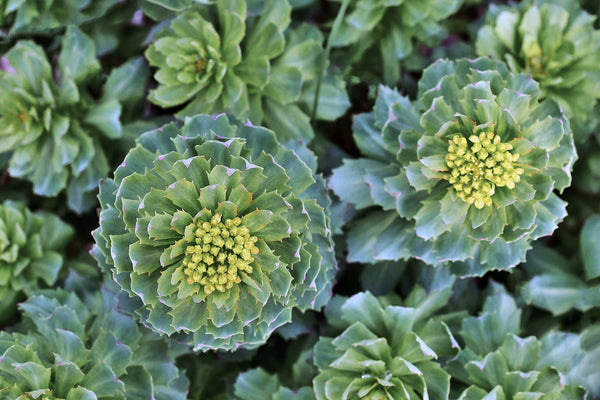
A hardy Arctic root with a rose-like scent.
Full Rhodiola Profile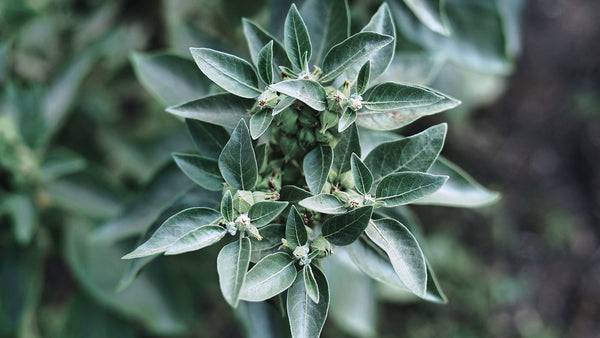
The grounding root at the heart of Ayurveda.
Full Ashwagandha Profile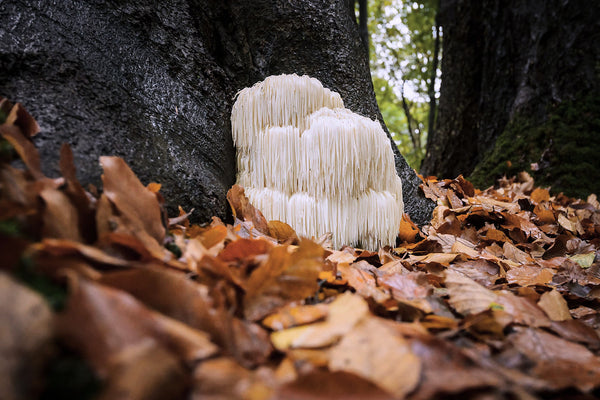
A shaggy white mushroom with a long culinary history.
Full Lion's Mane Profile
What Are Nootropics? Herbs for Focus, Clarity & Brain Health
We all have days when our brain feels sharp and focused, and days when the fog rolls in. Whether you’re looking to support concentration, memory, mental energy or long-term brain health, nootropics...
Read more
The Flavours of Spring: Herbs for Renewal
Spring has a flavour. After the slower, inward energy of winter, the natural world begins to stir. Fresh shoots emerge, flowers open and everything seems to move towards the light. We can mirror th...
Read more