Mucuna Profile
Mucuna
Mucuna pruriens
For mood elevation, motivation and neurologic nourishment.


Cart
Your cart is empty

Join us in our love of herbs
Mucuna Profile
Mucuna pruriens
For mood elevation, motivation and neurologic nourishment.
Herbal Intelligence
Mucuna (Mucuna pruriens), the velvet bean, is a vigorous climbing legume native to tropical Africa and Asia. Its seeds have a long history in Ayurveda as a tonic, and they are one of the richest plant sources of L-dopa.
The powdered seed tastes earthy and rich, a little like roasted beans. Most people take Mucuna as a powder stirred into a hot drink or a smoothie, or as a liquid extract, and it is the herb our customers reach for when they want a lift in mood and motivation.
Mucuna is thought to come originally from southern China and eastern India, where it was once widely grown as a green vegetable crop(1). In the eighteenth and nineteenth centuries its green pods and mature beans were boiled and eaten in the foothills of the eastern Himalayas and in Mauritius(1).
It goes by two sets of English names. Types whose pods carry long stinging hairs are called cowitch or cowhage, because touching them brings on an intense itch; the smooth, silky types are the velvet bean(1). The Latin pruriens means 'itching'.
In Ayurveda the seeds have long been used as a tonic for the nerves and as an aphrodisiac(1). The plant has also stayed in the kitchen: in Guatemala and Mexico the beans are roasted and ground as a coffee substitute, known locally as 'Nescafé'(1).
The seeds of Mucuna (Mucuna pruriens) are particularly rich in the amino acid derivative L-3,4-dihydroxyphenylalanine (L-DOPA), with many samples showing concentrations of around 3 to 6% by dry weight(2). L-DOPA is a direct precursor to dopamine(3). Phytochemical analysis has also identified phenolic compounds, saponins, trypsin inhibitors and other constituents in the seeds(4). In the laboratory L-DOPA and the seed's phenolic compounds are studied for their effects on dopamine signalling, oxidative stress and nerve cells(1, 4).
In Western herbalism Mucuna is classed as a tonic and an aphrodisiac. Herbalists often pair it with Ashwagandha, Shatavari or Cacao.
People take it in the morning, in a hot drink or a smoothie, on days when they want drive and a brighter mood. It also appears in blends made for social occasions and for intimacy.
Mucuna asks for more care than most herbs, because its L-dopa is also the active substance of a prescription medicine(5). In 2024 the Dutch public health institute RIVM reported that very little scientific information on Mucuna is publicly available and that a safe amount could not be determined. It advised using it with caution, and not at all in pregnancy, while breastfeeding, or with liver or kidney problems(5). So we describe how it is used, not what it will do.
Developed and reviewed by Laura GraceClinically reviewed by Tamara Welsh, Clinical HerbalistLast reviewed
This profile is intended as a researched educational guide and does not replace the broader perspective of a herbal consultation.
★★★★★
5.0 out of 5, from 15 reviews
I bought this originally on a whim, not holding much hope of success, but I'm happy to say it works and I have reordered more . The powder is easy to take with you're cereal and the liquid is handy for top ups through the day.
I love Maccuna, I drink it every morning! Who doesn’t love a good dopamine boost 🤗
wow amazing wish i found this sooner bought 2 bags heh
Most of us here at Happy HQ have it everyday. Such a great mood and motivation booster. Who doesn't love a dopamine hit. Thanks Laura.
I also really like this one. I do find that my mood definitely gets lifted and you feel much more settled with life. I do cycle it on and off. This is a really cool part of nature and my packet smells like Indian spices which is interesting.
Definitely keeping this one :)
Seriously though. This is my favourite herb when I need some help. It helps with my depression, energy and neuro/brain health and I’m so glad Happy Herb shop stocks it.
In everyday life
Mucuna seed is taken in three main ways.
Keep to the amount on the label. With Mucuna, more is not better.
The velvet bean.
Look at the powder and think of the pod it came from: velvety, covered in hairs that itch fiercely, guarding beans that Ayurveda has prized for three thousand years.
Mix a teaspoon into a paste with honey, then stir in hot water or milk. Take the amount on the label and no more; with mucuna, more is not better.
Sip slowly. The plant guards something valuable behind an uncomfortable husk. What have you been avoiding that might have something good inside it?
In the Botanical Guides
Shop


Single Herb

Botanical Concentrate
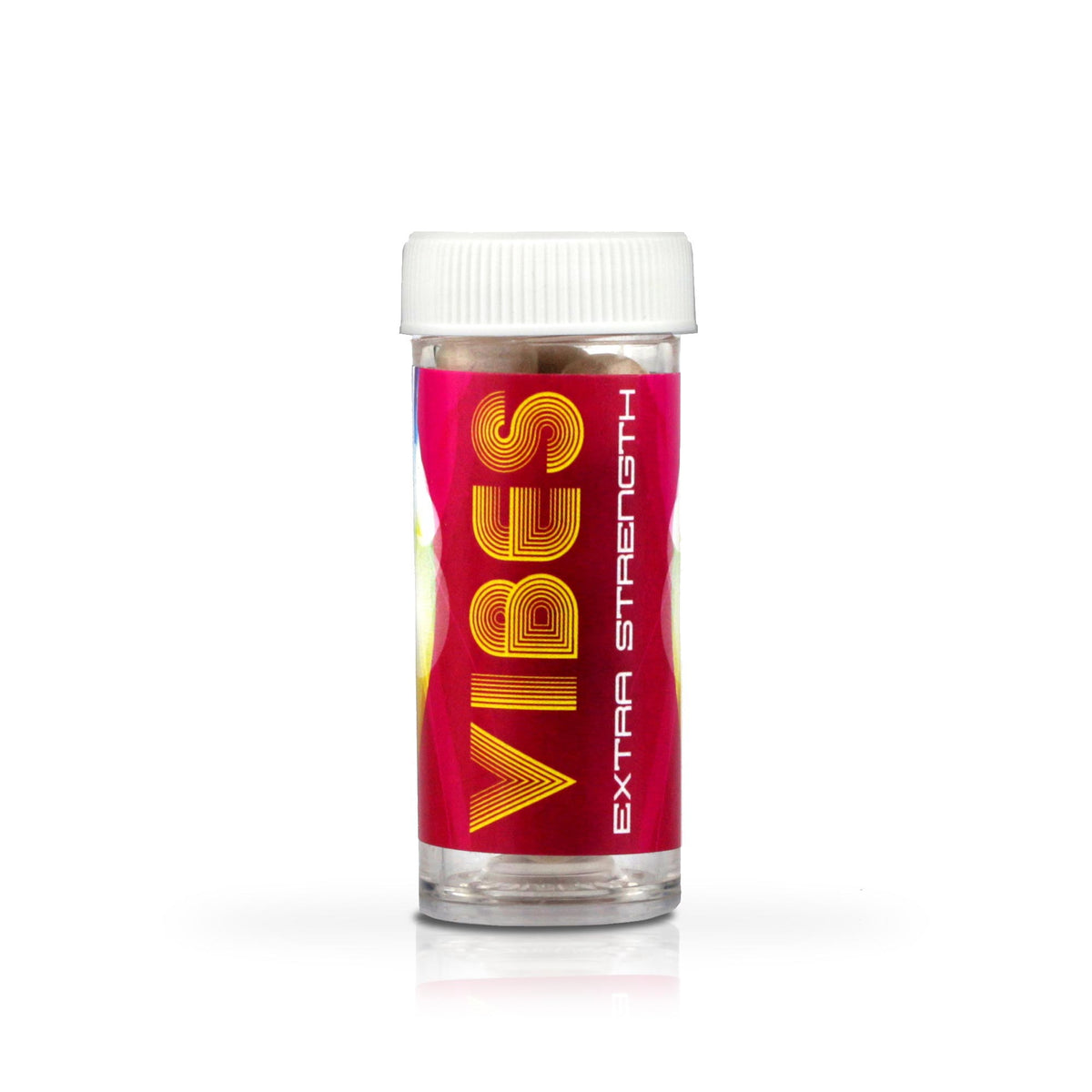
Capsules
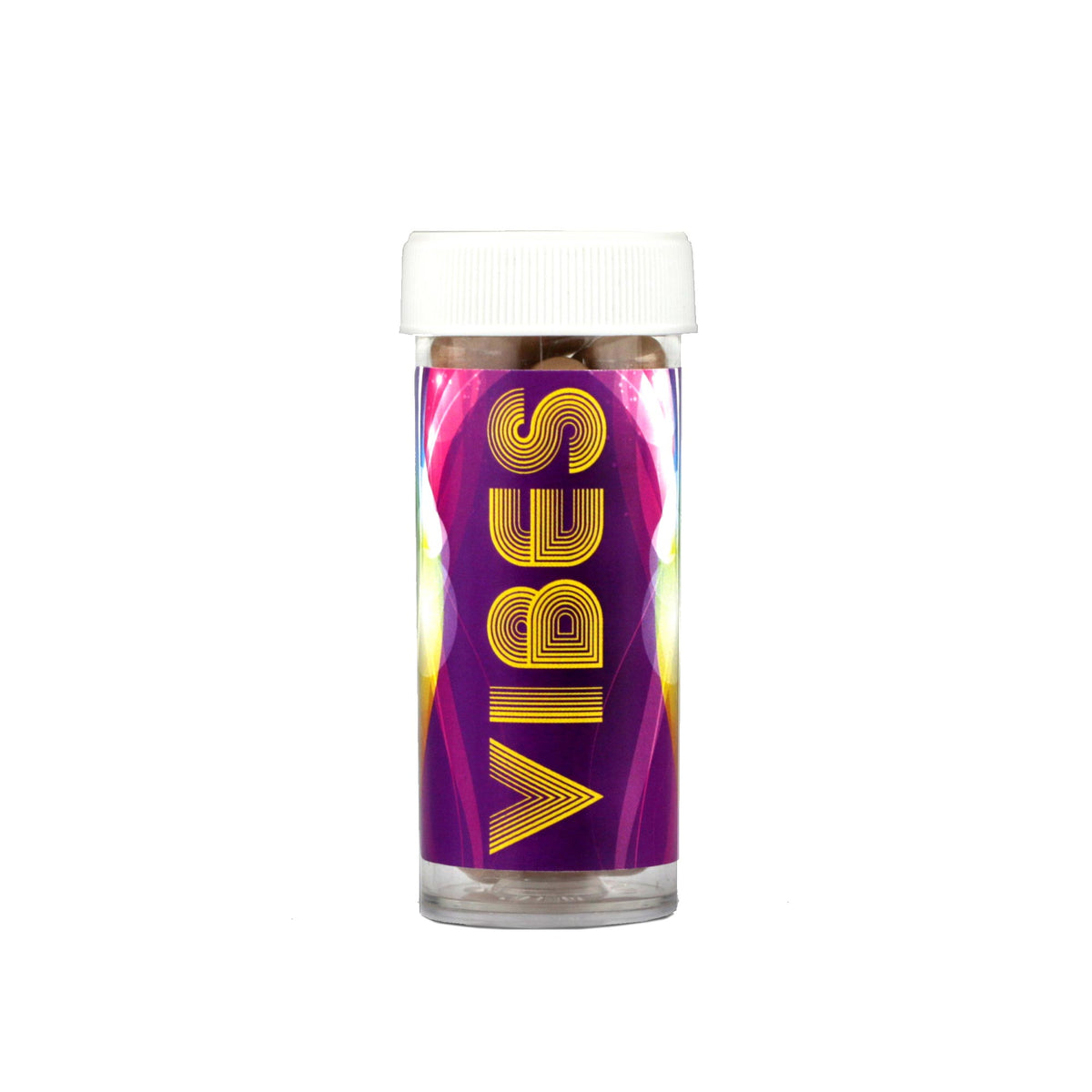
Capsules
Capsules of guarana, mucuna, coffee and Siberian ginseng, 12 per bottle.
FAQ
Mucuna (Mucuna pruriens), also called the velvet bean, is a climbing legume native to tropical Africa and Asia. Its seeds have long been used in Ayurveda as a tonic and are one of the richest plant sources of L-dopa. Today Mucuna is taken as a powder stirred into a drink, as a liquid extract or in capsules.
Mucuna is long associated with mood, motivation and vitality. In Ayurveda the seeds are used as a tonic for the nerves and as an aphrodisiac, and Western herbalists class Mucuna as a tonic. The Dutch public health institute RIVM notes that very little scientific information on Mucuna is publicly available, so we describe how it is used, not what it will do.
Mucuna is best known as a herb people reach for when they want a lift in drive and motivation. Most people take it in the morning, as a teaspoon of powder in a hot drink or a smoothie, or as a liquid extract. Keep to the amount on the label, and check with your health professional first if you take any medication.
Mix 1 teaspoon of Mucuna powder into a paste with honey, then add a cup of hot water and stir. The powder can also be added to a smoothie, hot cacao or milk. Mucuna is also taken as a liquid extract or in capsules, following the directions on the label.
No. Mucuna is naturally caffeine free. In Guatemala and Mexico the roasted, ground beans are used as a coffee substitute. Mucuna is not a quiet herb for all that: its seeds are rich in L-dopa, so most people take it in the morning and keep to the amount on the label.
There is no settled answer. In 2024 the Dutch public health institute RIVM concluded that too little is known about Mucuna to set a safe amount. It advised using it with caution, following the directions on the label, and stopping if side effects occur. Regular use of excessive amounts can cause tremors, dizziness and fainting.
Because Mucuna is high in L-dopa, do not combine it with medication for epilepsy or Parkinson's disease, and take care if you use antidepressant or antipsychotic medication. The Dutch public health institute RIVM advises against Mucuna during pregnancy and breastfeeding, and for people with liver or kidney problems. If you take medication or have a health condition, check with your health professional first.
Because of its high L-dopa content, do not combine Mucuna with medication for epilepsy or Parkinson's disease. Use with caution if you take antidepressant or antipsychotic medication. Regular use of excessive amounts can cause tremors, dizziness and fainting. Do not use during pregnancy or breastfeeding, or if you have liver or kidney problems.
Log in or create an account to use your points.