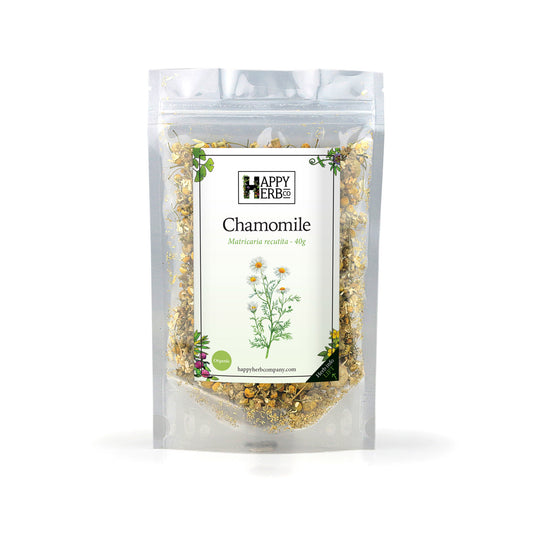
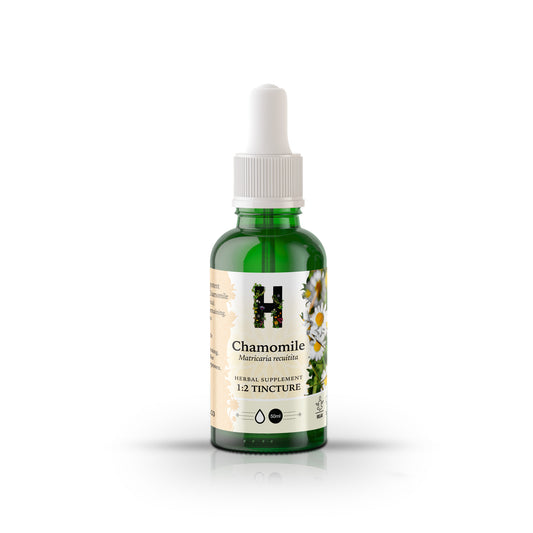
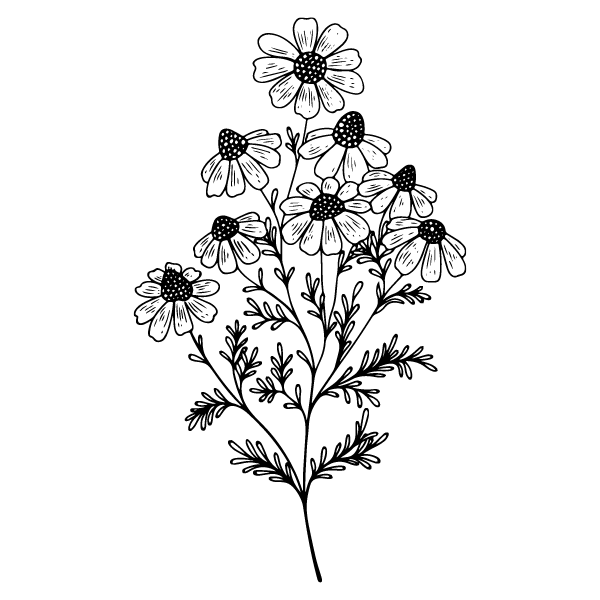
Chamomile (Matricaria recutita) is a small annual of the daisy family, native to Europe and western Asia. Its apple-scented flowers are among the oldest and most widely used herbs in the world, known in ancient Egypt, Greece and Rome.
The taste is soft, floral and a little sweet, with a hint of apple. Most people take Chamomile as a tea or a liquid extract, and it is the herb our customers reach for at the end of the day, when they want to settle and get ready for rest.
Cultural use
Chamomile has been used for thousands of years and was known in ancient Egypt, Greece and Rome. The name comes from the Greek chamaimelon, usually translated as 'ground apple': a low-growing plant whose flowers smell of apples.
It kept its place in the centuries that followed. To the Anglo-Saxons it was one of nine sacred herbs, and today the flower is listed in the pharmacopoeias of 26 countries. Two plants share the name: German Chamomile, the one described here, and Roman Chamomile, Chamaemelum nobile.
Chamomile is still one of the most popular herbal teas in the world, with about a million cups drunk every day. Beyond the cup it is used in baths, poultices, gargles and steam inhalations, and in lotions for the skin.
Modern herbal use
In Western herbalism Chamomile is classed as a gentle nervine and a digestive herb, mild enough to be a household staple. It is the base of countless evening blends, often with Lavender, Lemon Balm or Passionflower.
People build it into the quiet parts of the day: a cup after dinner, a pot before bed, or a pause in a busy afternoon. It is naturally free of caffeine, which makes it an easy swap for the late cup of tea or coffee.
Chamomile has been studied more than most herbal teas, but the evidence is still limited. The US National Center for Complementary and Integrative Health says studies so far have not produced enough reliable evidence to judge how useful it is. So we describe how it is used, not what it will do.
How it's used
Chamomile flowers are used in three main ways.
Tea. Steep 2 to 3 teaspoons of dried flowers in a cup of just-boiled water, covered, for 10 minutes. The flavour is soft and apple-like, and honey or Lavender sit well with it.
Liquid extract. A tincture taken in a little water, for those who want Chamomile without brewing a pot. Follow the directions on the label.
Milled herb blend. The dried flowers are also smoked, as the soft, sweet layer of a hand-rolled blend.
A strong pot of Chamomile tea can also be added to the bath or used as a compress or facial steam. Chamomile can be enjoyed every day.






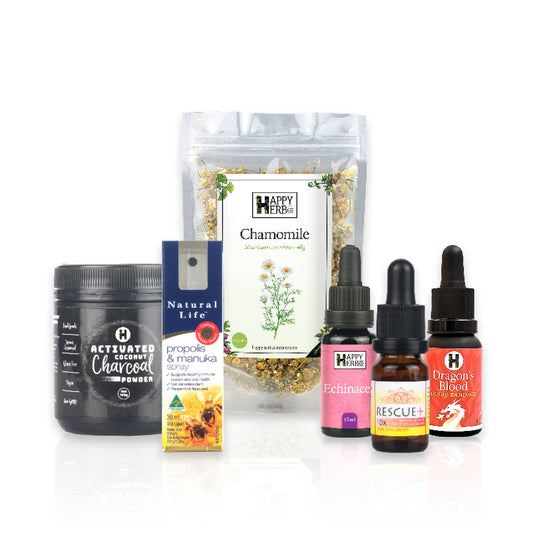 Bundle & Save