Mullein Profile
Mullein
Verbascum thapsus
For respiratory ease, lung support and daily wellbeing.


Cart
Your cart is empty

Join us in our love of herbs
Mullein Profile
Verbascum thapsus
For respiratory ease, lung support and daily wellbeing.
Herbal Intelligence
Mullein (Verbascum thapsus) is a tall biennial of the figwort family, native to Europe, western Asia and North Africa. Its soft, velvety leaves and spire of yellow flowers have been part of household herbalism since ancient times, and it has long been known as a herb of the lungs and throat.
The taste is mild and earthy, with a slight bitterness. Most people take Mullein as a tea or a liquid extract, and the dried leaf is a classic in milled herb blends. It is the herb our customers reach for through the cooler months, when the throat and chest want something soft.
Mullein has a long history of use throughout Europe, Asia and North America. Traditionally associated with the respiratory system, it has been prepared as teas, tinctures and infused oils, while its dried leaves were also burned ceremonially.
The broad, velvety leaves and the flowers of Mullein (Verbascum thapsus) contain naturally occurring mucilage, saponins, flavonoids and phenylethanoid glycosides. In the laboratory the mucilage, saponins and phenylethanoid glycosides are studied for their effects on the airways and for antiviral and antimicrobial activity(1, 2).
In Western herbalism Mullein is classed as a demulcent and an expectorant: a soft, mucilage-rich herb for the throat and chest. In Europe the flowers are the part most used, while the British Herbal Pharmacopoeia describes the leaf(1). Mullein has been used since ancient times, and its popularity has grown again in recent years(2).
People take it through the cooler months and at the change of season: a well-strained cup of tea, or a little liquid extract in water. For some it is part of habit shifting, as the light, soft base of a hand-rolled blend. That practice is an old one. The US Forest Service records several Native American peoples smoking the dried leaves(3).
The research is thin. The European Medicines Agency accepts Mullein flower as a traditional herbal medicine for a sore throat with a dry cough and cold, on the strength of long use alone: it found no clinical studies(1). So we describe how it is used, not what it will do.
Developed and reviewed by Laura Grace, Owner and Creative Director of Happy Herb Co, Herb Educator and Registered Ayurvedic Lifestyle Consultant · Clinically reviewed by Tamara Welsh, BSc, AdvDipWHM, ATMS, Clinical Herbalist
This profile is intended as a researched educational guide and does not replace the broader perspective of a herbal consultation.
★★★★★
4.8 out of 5, from 59 reviews
It is very good at breaking up phlegm and easing a chest cough or smokers cough.
I have found mullein very useful over time as an expectorant to clear cough.
I have this tea 3 to 4 times a day and love it. It does work cause I drank it for 4 days and my breathing was so much better
I don't often write reviews but purchasing this to replace tobacco to mix with my medical was a huge mistake on my part.
It tastes absolutely putrid 🤮 and totally ruins the taste of the medical and totally overpowers it and really doesn't make it an enjoyable experience at all.
Will definitely be going back to tobacco cause I can not have any more of this disgusting herb 🤮
Worst decision ever 🤦
My Son has given up smoking Tabacco and uses Mullein to smoke when he craves the ritual of having a cigarette. He loves the Mullein. I think he wishes he had known about it long ago
So incredible to hear Merlene thank you so much! We are so pleased we could assist your son on his quitting journey and he has found a herbal ally in our Mullein.
In everyday life
Mullein leaf and flower are used in four main ways.
Mullein tea is usually taken a cup at a time through the day, for as long as it is wanted.
The candle in the field.
Stroke a dried leaf. It is soft as felt, which is why the Romans dipped the dried stalks in tallow and burnt them as torches, and why it has been called hag's taper and candlewick.
Steep a teaspoon or two for ten minutes and strain it through cloth to catch the fine hairs. Drink it slowly, breathing between sips.
Sip slowly. A plant soft enough to line a shoe and tall enough to light the way. What is both gentle and strong in you?
In the Botanical Guides
Shop
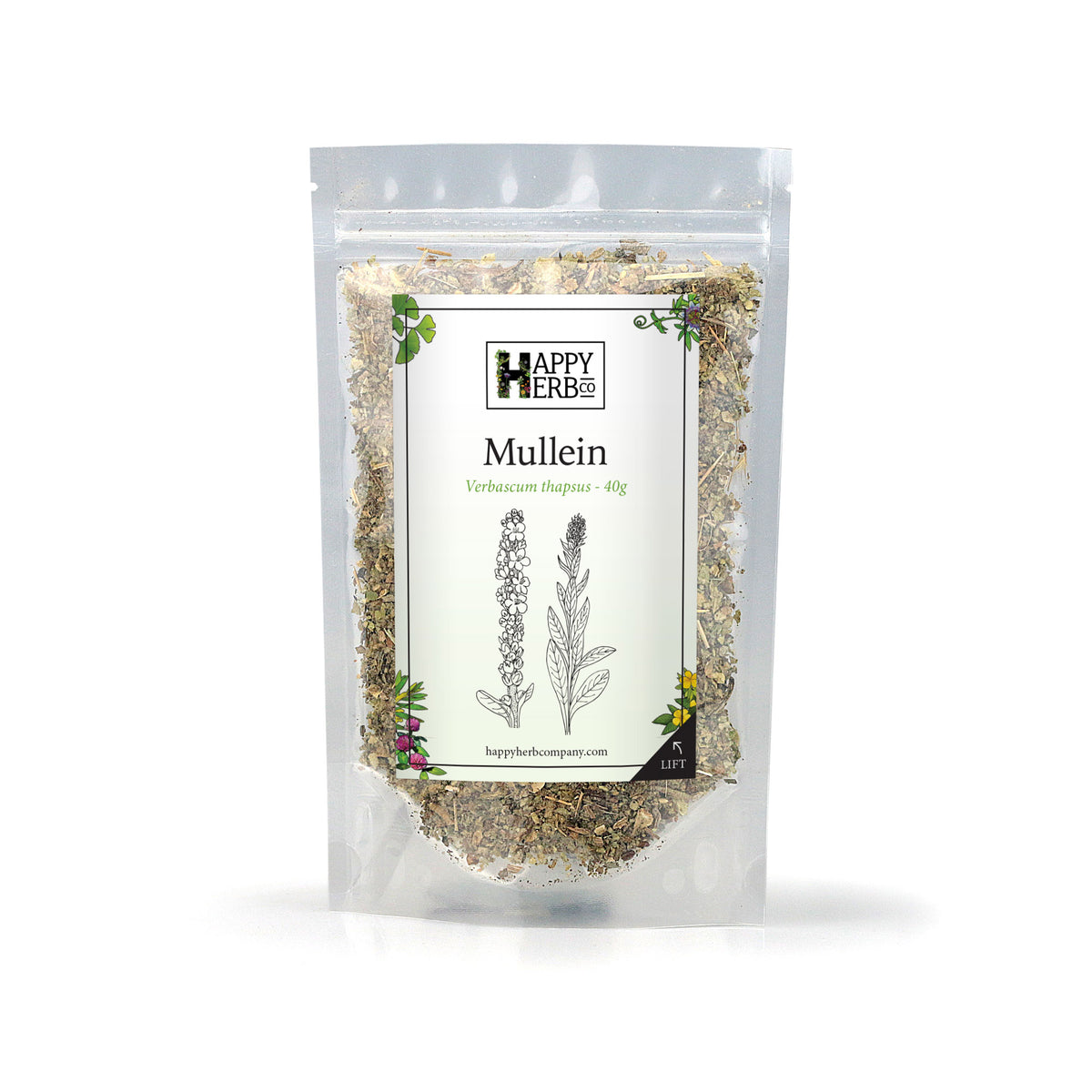
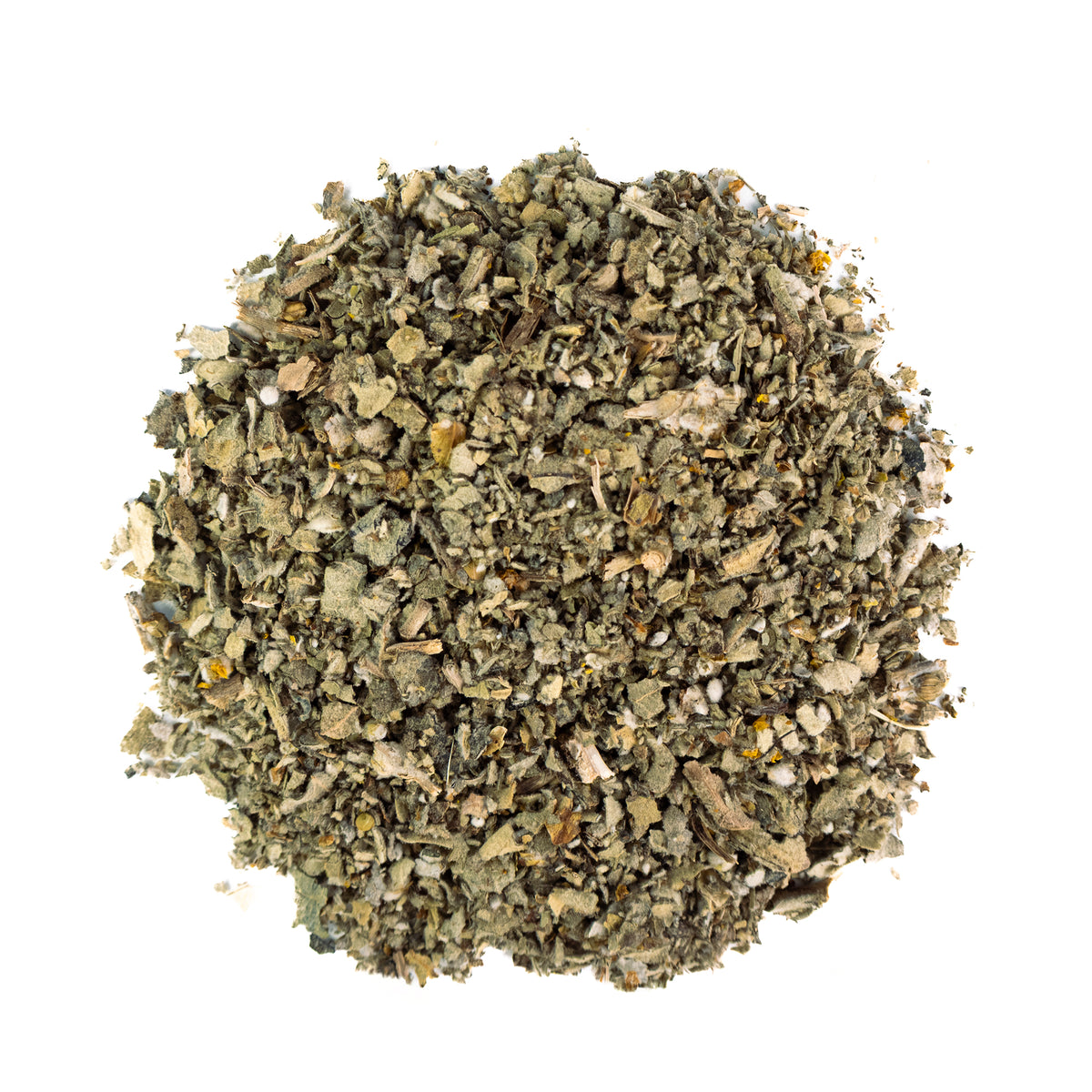
Single Herb
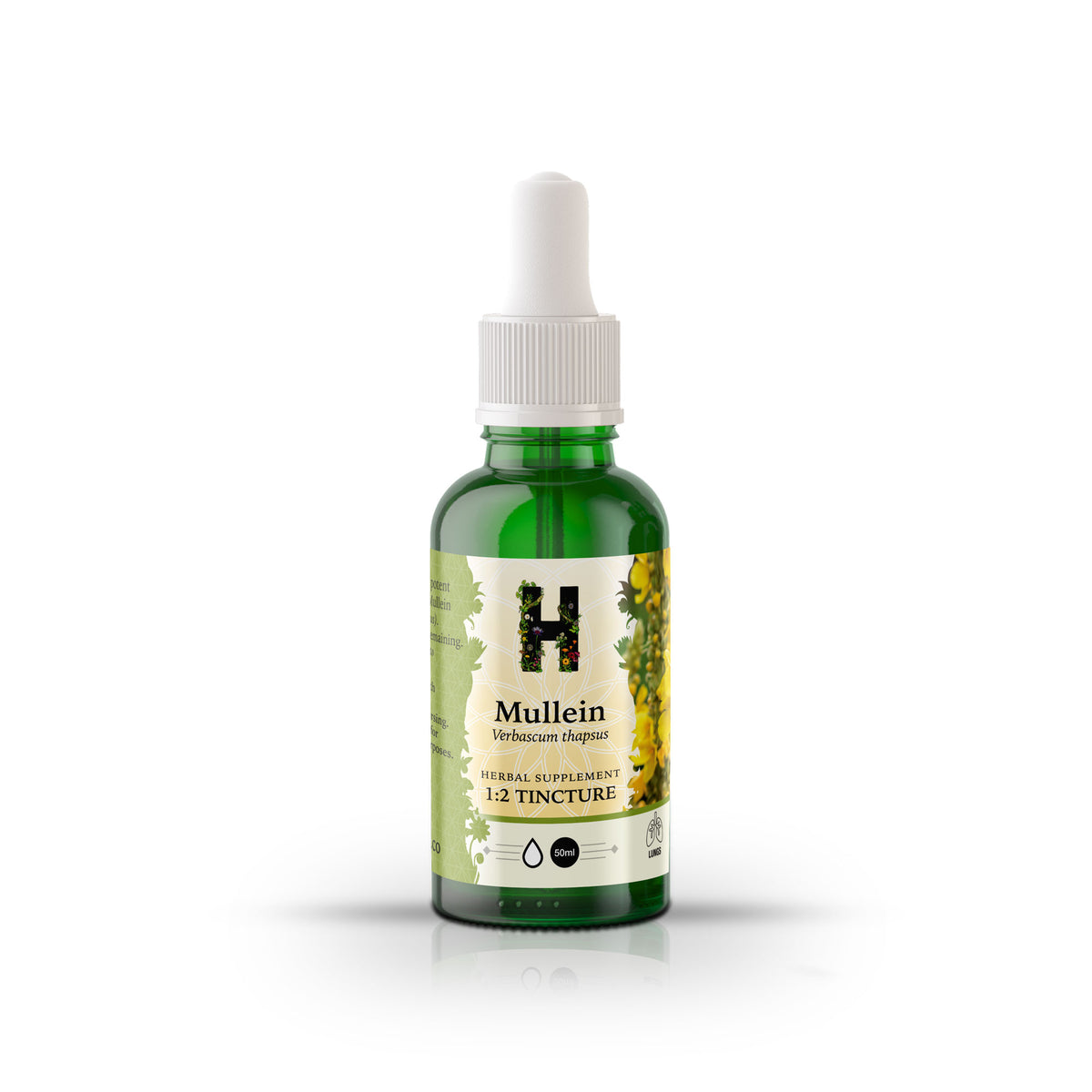
Botanical Concentrate
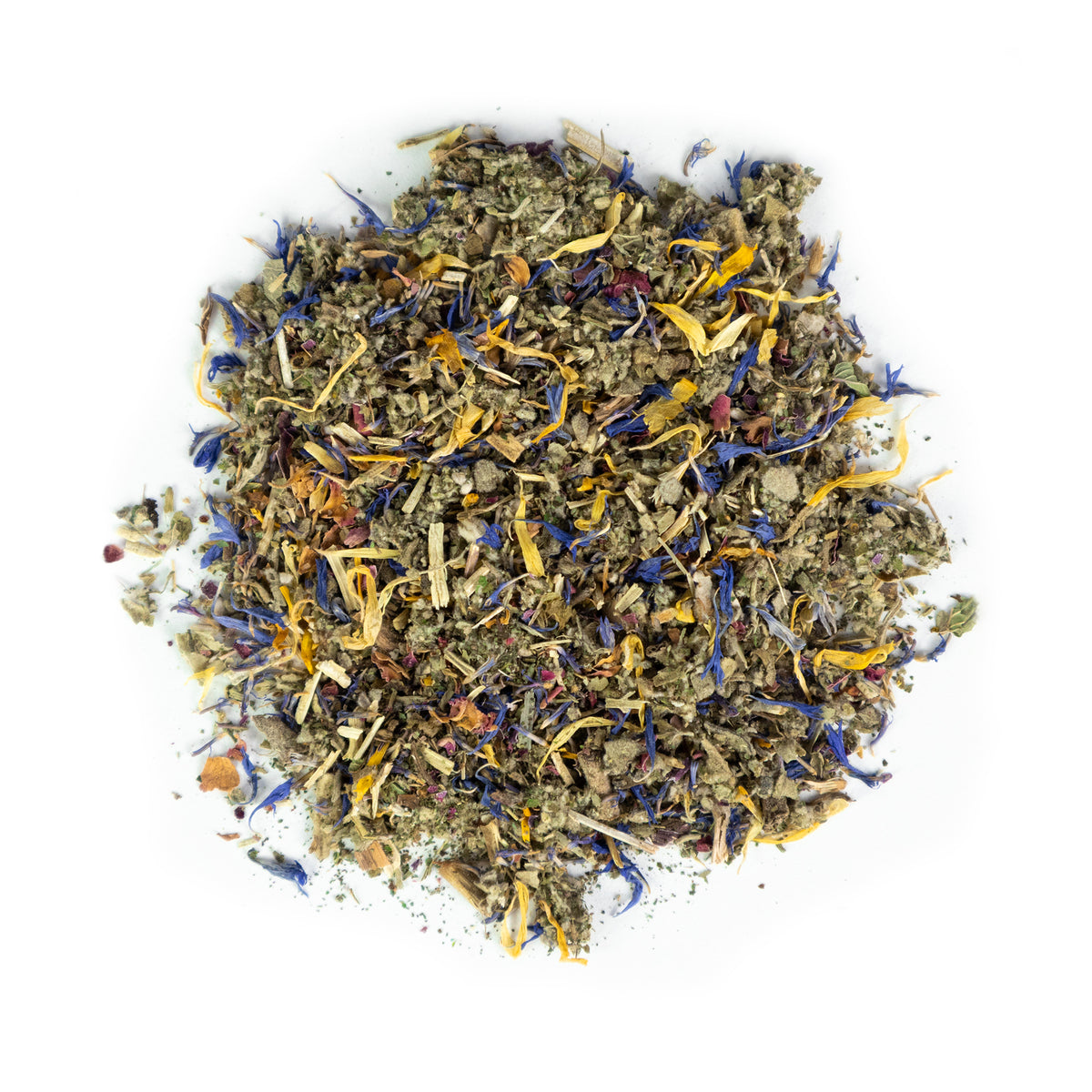
Milled Blend
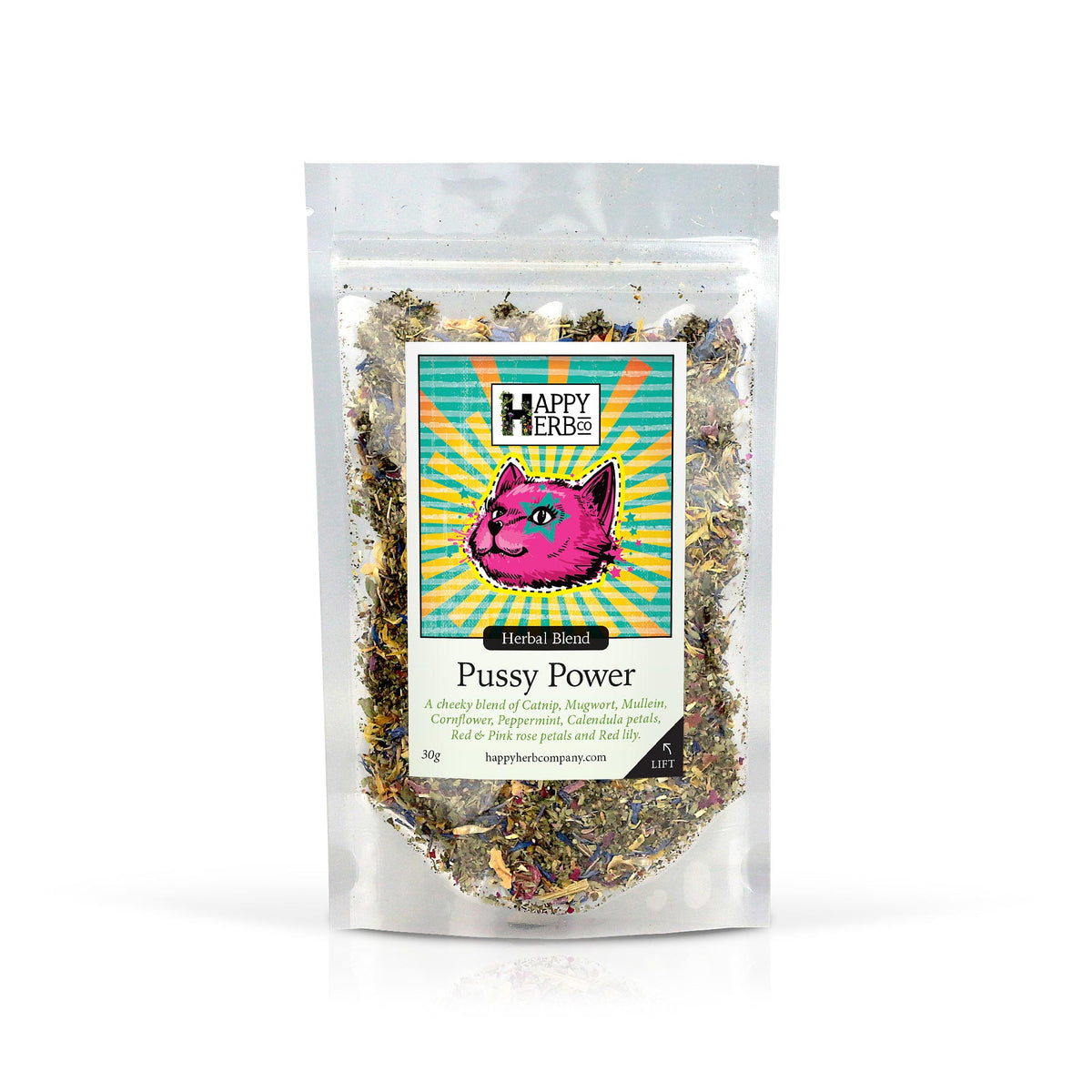
A vibrant floral milled blend with catnip, rose petals and calendula.
Milled Blend
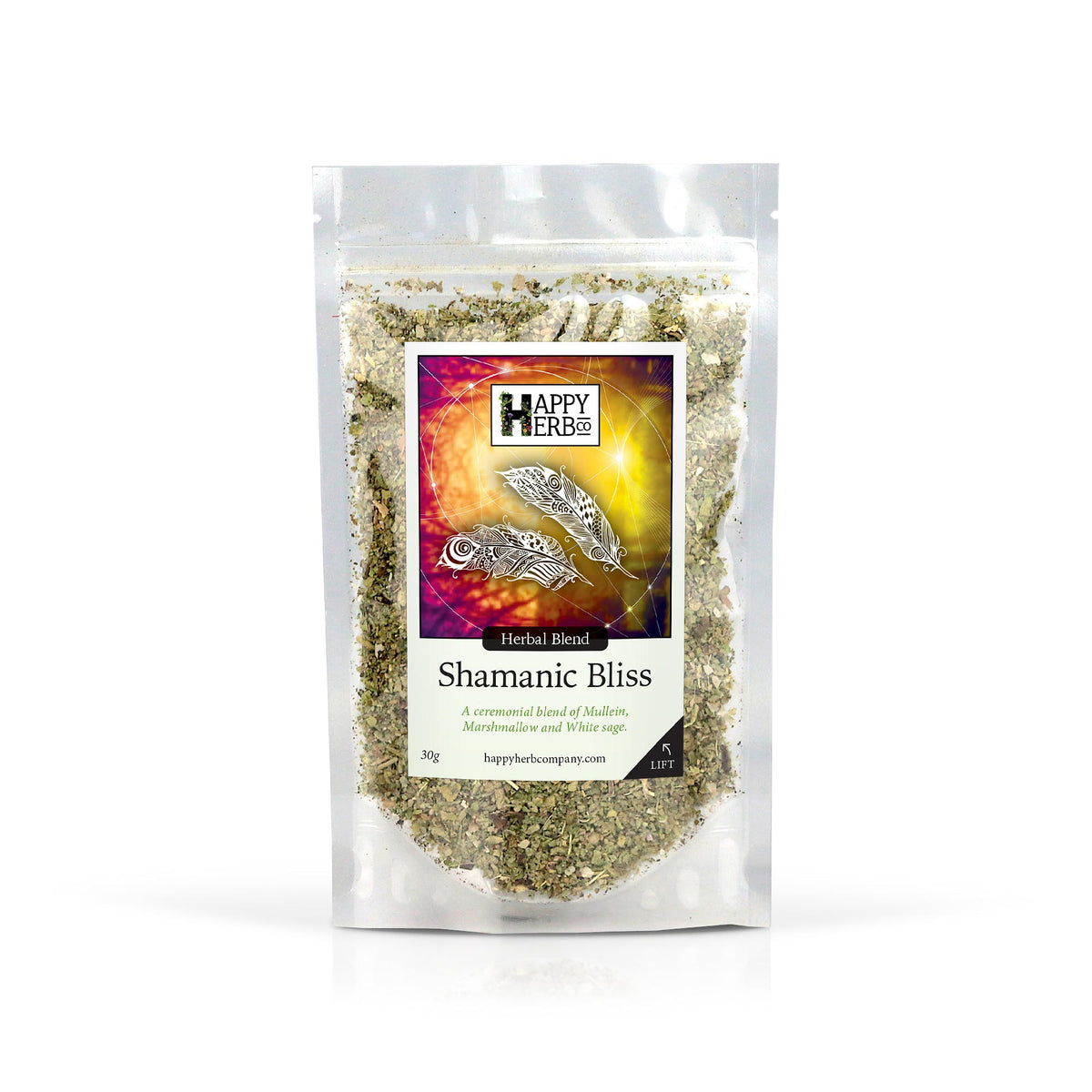
White sage on a base of mullein and marshmallow, milled for ceremony.
FAQ
Mullein (Verbascum thapsus) is a tall biennial of the figwort family, native to Europe, western Asia and North Africa. Its soft, velvety leaves and yellow flowers have been used in household herbalism since ancient times. Today Mullein is taken as a tea or a liquid extract, and the dried leaf is used in milled herb blends.
Mullein is long associated with the lungs and throat. In European tradition the flowers and leaves are taken as a tea through coughs and colds, and Western herbalists class Mullein as a demulcent and an expectorant. The European Medicines Agency found no clinical studies of Mullein flower, so we describe how it is used, not what it will do.
Mullein is best known as a herb people reach for when the throat and chest want something soft and gentle. Most people have a well-strained cup of Mullein tea a few times a day through the cooler months, or take a liquid extract in a little water.
Steep 1 to 2 teaspoons of dried Mullein leaf in a cup of just-boiled water, covered, for 10 minutes. Strain it well, through a fine cloth or a paper filter, because the leaf's tiny hairs can irritate the throat. The flavour is mild and earthy, and honey sits well with it.
No. Mullein is naturally caffeine free, so Mullein tea can be drunk at any time of day, including the evening. It is the leaf and flower of a plant in the figwort family, not a true tea, and its flavour is mild and earthy.
Yes. Dried Mullein leaf has a long history of being smoked. The US Forest Service records several Native American peoples, among them the Potawatomi, Mohegan, Penobscot and Menominee, smoking the dried leaves. Mullein is the light, soft base of many of our milled herb blends, chosen for its mild character.
Inhaling smoke is harmful; we describe how the herb is used, we do not suggest it. Many people prefer to enjoy Mullein as a tea.
There is not enough reliable information to know whether Mullein is safe during pregnancy or breastfeeding, so it is best avoided at those times. The European Medicines Agency says the same of Mullein flower, and does not recommend it for children under 12. If you take medication or have a health condition, check with your health professional first.
The herbs with a long tradition for the chest after smoking are taken as teas: Mullein and Marshmallow Leaf as soft, soothing cups, Thyme and Elecampane as sharper aromatic ones, Peppermint for freshness, and Licorice Root in small amounts for short stretches.
Detox is a marketing word, not a herbal one. The lungs clear themselves over months once smoking stops, and no herb has been shown to speed that. Coltsfoot is not for internal use in Australia. A cough that lasts needs your GP.
Mullein is one of the best base herbs for smoking. It’s light, fluffy, and supports respiratory health. It helps soothe inflamed lungs, clear congestion, and smooth out a smoking blend.
There isn't enough reliable information to know if Mullein is safe to use when pregnant or breast-feeding. Stay on the safe side and avoid use.
As described in the monographs cited under Sources.