Slippery Elm Profile
Slippery Elm
Ulmus rubra
For digestive ease, gut lining support and throat comfort.


Cart
Your cart is empty

Join us in our love of herbs
Slippery Elm Profile
Ulmus rubra
For digestive ease, gut lining support and throat comfort.
Herbal Intelligence
Slippery Elm (Ulmus rubra) is a deciduous tree native to eastern and central North America. Its inner bark turns smooth and slippery when it meets water, a quality that made it both a medicine and a household material for Native American peoples long before it reached the herb shop.
The taste is mild and neutral, and the texture is silky. Most people take Slippery Elm as a powder stirred into water or cooked into a thin gruel, and it is the herb our customers reach for when the throat or the stomach wants something gentle.
Slippery Elm grows in moist woods from southern Quebec and Maine west to North Dakota and south to Florida and Texas(1). The tree can live for 200 years, and it is named for its inner bark, which turns slippery when it is chewed or mixed with water(1, 2).
Native American peoples used the bark widely. The Meskwaki sided and roofed their winter houses with it, and the Dakota, Omaha-Ponca, Winnebago and Pawnee twisted the inner fibre into rope and cord(1). As a medicine, the Ojibwe used it for sore throats, the Menomini and Meskwaki laid it on the skin as a poultice, and Meskwaki women drank a tea of the bark before childbirth(1).
These uses were taught to early settlers(1). The bark is still sold today for the throat and the stomach, and in creams for the skin(2).
The inner bark of Slippery Elm (Ulmus rubra) is rich in mucilage, a group of polysaccharides that take up water and swell into a thick, viscous gel(3). It is this mucilage that makes the powdered bark turn slippery when it is stirred into water, and interest in the bark centres on how the gel behaves along mucosal surfaces(3). In the laboratory the mucilage is studied for how it coats mucosal surfaces, and the bark appears in clinical studies of herbal formulas for digestive symptoms(3, 5).
In Western herbalism Slippery Elm is classed as a demulcent: a herb whose mucilage swells into a soft gel in water. It is often paired with Marshmallow or Licorice Root.
People take it after meals or before bed when the stomach wants something gentle, stir it into porridge or a smoothie, and sip it through the winter months for the throat. As a thin gruel it also has a long name as a food for times of recovery.
The US National Institutes of Health describes Slippery Elm preparations as generally recognised as safe(2). Clinical research is limited: the bark has been studied in people mainly as one ingredient in multi-herb formulas(3), so its own part is hard to judge. We describe how it is used, not what it will do.
Clinically reviewed by Tamara Welsh, BSc, AdvDipWHM, ATMS, Clinical Herbalist ·
This profile is intended as a researched educational guide and does not replace the broader perspective of a herbal consultation.
★★★★★
5.0 out of 5, from 6 reviews
I take Slippery elm before meals, it has been really helping me to heal from my digestive issues 😊
This was a great product to help with tummy issues and bowel issues. Helped settle my upset tummy when I felt like vomiting. Helped my daughter who couldn't get rid of an annoying cough. Helped when constipated
This is a good quality product. I mix it into greek yoghurt and have it with frozen berries or fruit, hemp seed oil and hemp seeds. It has a slightly bitter, earthy taste that is tempered by the other flavours. It starts to set in the yoghurt so I usually eat it straight away. Slippery elm powder has a positive effect on my digestion and feels like it is helping heal the gut biome.
Best thing I've come across for tummy probs 😁
Slippery elm has been a lifesaver this year. I was diagnosed with a suspected stomach ulcer after presenting at ED with stomach pain. I also have a history of GORD and consequent impact on my sleep.
I didn’t want to take the pharmaceuticals they prescribed me so I tried slippery elm instead. Within a couple of days of experimenting with the dosage, the pain had lessened and I was able to eat without pain following. I believe that slippery elm has helped support me as I healed from the ulcer as I can now tolerate spicy foods again without repercussions, less than three months later. I was told I would have this condition for life, it appears to be gone!
Please note that I have a lot of experience with herbs and use advice from experts in herbalism to help me - I am not recommending everyone avoid pharmaceuticals - that was right for me in this situation.
When I take slippery elm throughout the day in the dosage that suits me, I sleep better as well and do not experience the symptoms of GORD/GERD so badly.
I am super stoked that the plastic this came in is compostable, price was good, and delivery was prompt.
This particular mix is from certified forests so I can feel good about using it, and it’s easy to take mixed in water or with your morning smoothie.
In everyday life
Slippery Elm bark is used in three main ways.
Take Slippery Elm with plenty of water, and at a different time of day from medicines and supplements, so that it does not affect how they are absorbed.
Smooth the way.
Mix a teaspoon of the bark powder with a little cold water and feel it between your fingers: it turns silky at once. The Cherokee and other peoples of eastern North America knew this bark long before anyone else.
Stir in a cup of just-boiled water, add honey or cinnamon, and drink it before it thickens. Take it away from any medicines, with an hour either side.
Sip slowly. The bark asks for nothing but water to become soothing to the touch. What small thing makes you easier to be around?
Shop

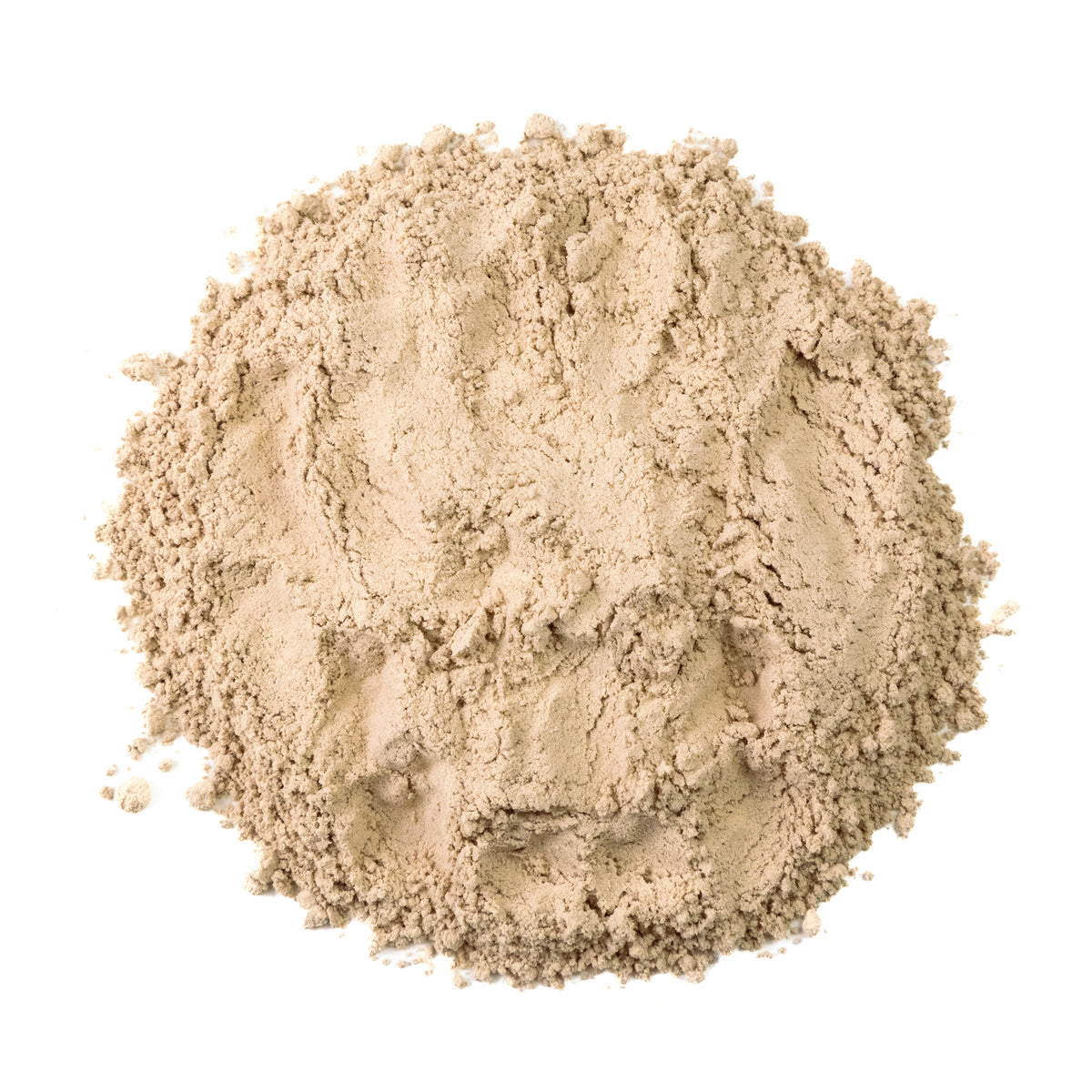
Single Herb
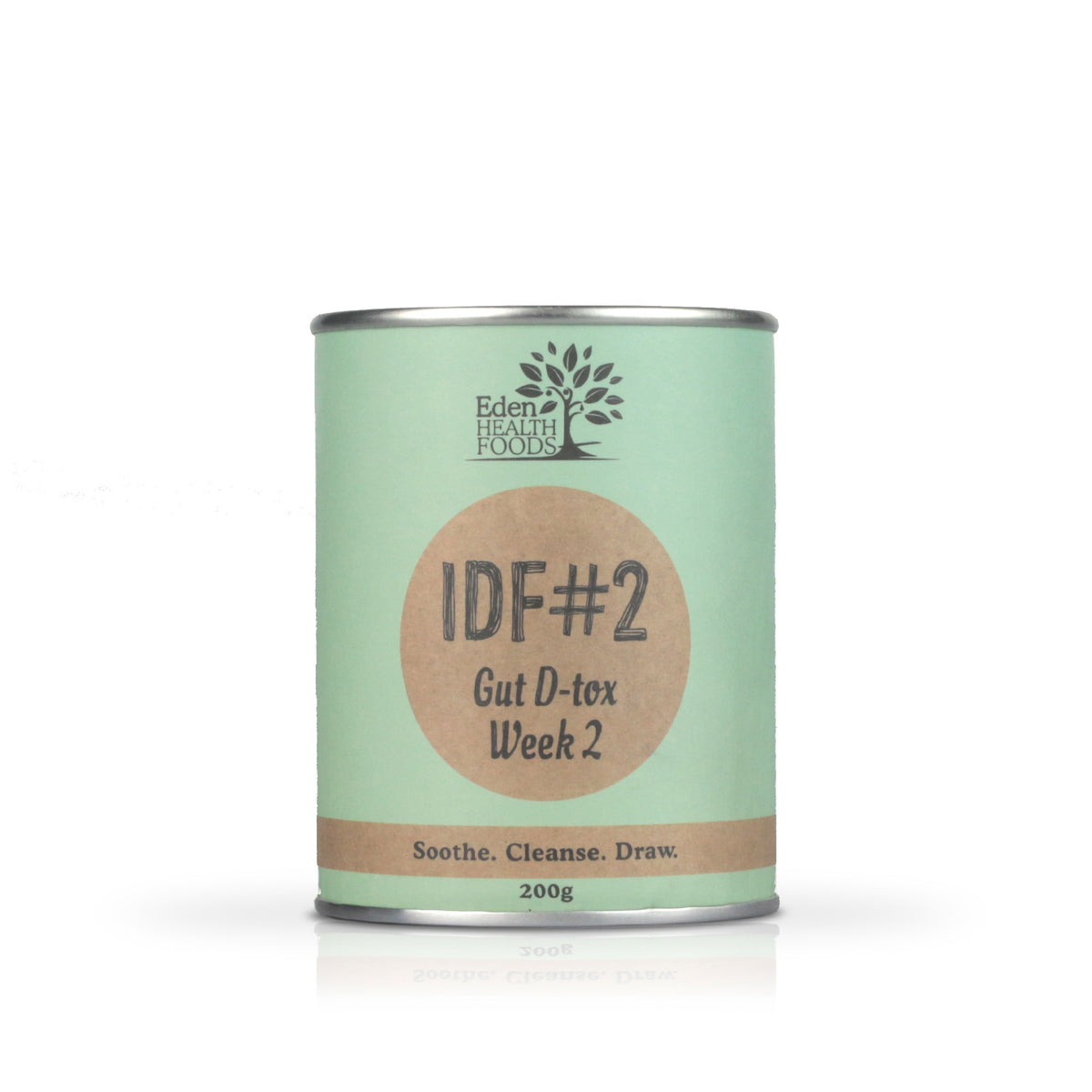
Eden Healthfoods
A blend of psyllium, chia, green clay, apple pectin and slippery elm.

Eden Healthfoods
A powder of psyllium, chicory inulin, slippery elm and 15 probiotic strains.
FAQ
Slippery Elm (Ulmus rubra) is a deciduous tree native to eastern and central North America. Its inner bark turns smooth and slippery when mixed with water, and Native American peoples used it as a medicine and for making rope and cord. Today the powdered bark is stirred into water, cooked into a thin gruel or added to food.
Slippery Elm is long associated with comfort for the throat and the digestion. Native American peoples used the inner bark for sore throats and as a poultice, and Western herbalists class it as a demulcent, a herb whose mucilage forms a soft gel in water. It has been studied in people mainly within multi-herb formulas, so we describe how it is used, not what it will do.
Slippery Elm is best known as a herb people reach for when their stomach wants something gentle. Most people take a teaspoon of the powder in water after meals or before bed, or stir it into porridge. Take it at a different time of day from medicines and supplements.
Mix 1 teaspoon of Slippery Elm powder to a paste with a little cold water, then stir in a cup of just-boiled water and drink it before it thickens. It can also be simmered into a thin gruel, or stirred into porridge, yoghurt or a smoothie. Take Slippery Elm with plenty of water.
No. Slippery Elm is naturally caffeine free, so it can be taken at any time of day, including before bed. It is the inner bark of an elm tree, not a tea leaf, and it makes a smooth, mild drink that is closer to a thin porridge than to a cup of tea.
Slippery Elm is named for its inner bark, which turns slippery when it is chewed or mixed with water. The US National Institutes of Health notes that the bark's mucilage appears to be its main active ingredient. The tree is also known as Red Elm.
Slippery Elm is best taken at a different time from medicines, vitamins and other supplements, as it may affect how well they are absorbed. The US National Institutes of Health describes Slippery Elm preparations as generally recognised as safe. If you take medication or have a health condition, check with your health professional first.
The herbs with a tradition for an irritated gut are the demulcents: Marshmallow Root, Slippery Elm and Licorice Root. They are rich in mucilage, slippery in the cup, which traditional herbalism holds to coat the lining of the digestive tract. That is traditional reasoning with little trial evidence, so we describe how they are used, not what they will do.
Marshmallow and Slippery Elm are taken as a cold infusion or a powder with meals, away from medicines, since they can slow absorption. Licorice is kept to small amounts and short stretches. Ongoing gut symptoms need your GP.
Slippery elm is best taken away from medications and vitamins/supplements so as not to affect absorption
As described in the monographs cited under Sources.