

Happy Herb Co
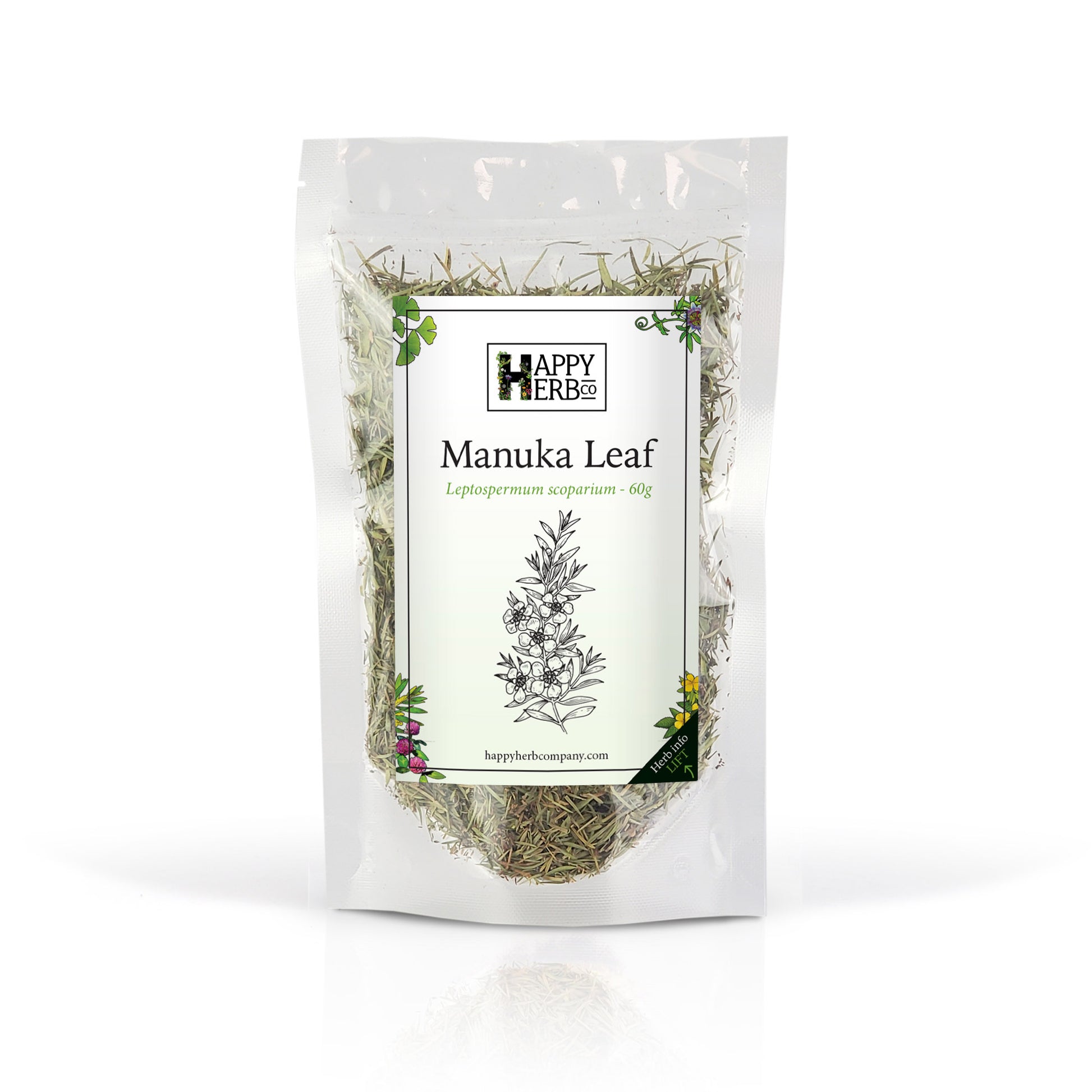
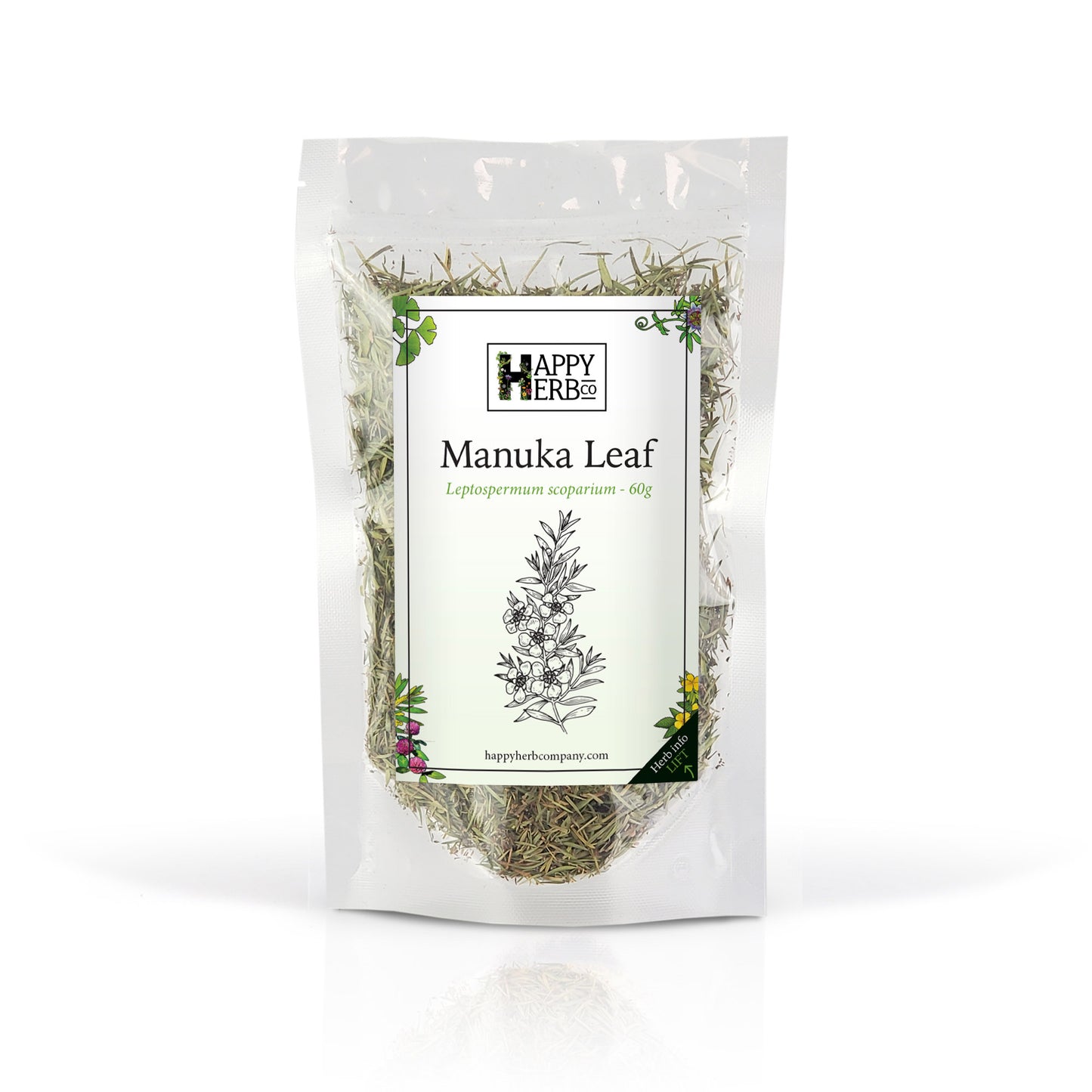
Manuka Leaf
Manuka Leaf
EFFECTS


Couldn't load pickup availability
Manuka: A Seasonal Custom for Botanical Resilience
For times when the body calls for extra care. Often chosen during seasonal shifts and moments of depletion, Manuka is valued for its depth, presence and wide reaching character. Long honoured in Maori tradition as a botanical treasure of Aotearoa. A herb that carries a sense of strength, resilience and connection to place.
Manuka: A Seasonal Custom for Botanical Resilience
For times when the body calls for extra care. Often chosen during seasonal shifts and moments of depletion, Manuka is valued for its depth, presence and wide reaching character. Long honoured in Maori tradition as a botanical treasure of Aotearoa. A herb that carries a sense of strength, resilience and connection to place.
Ingredients
Ingredients
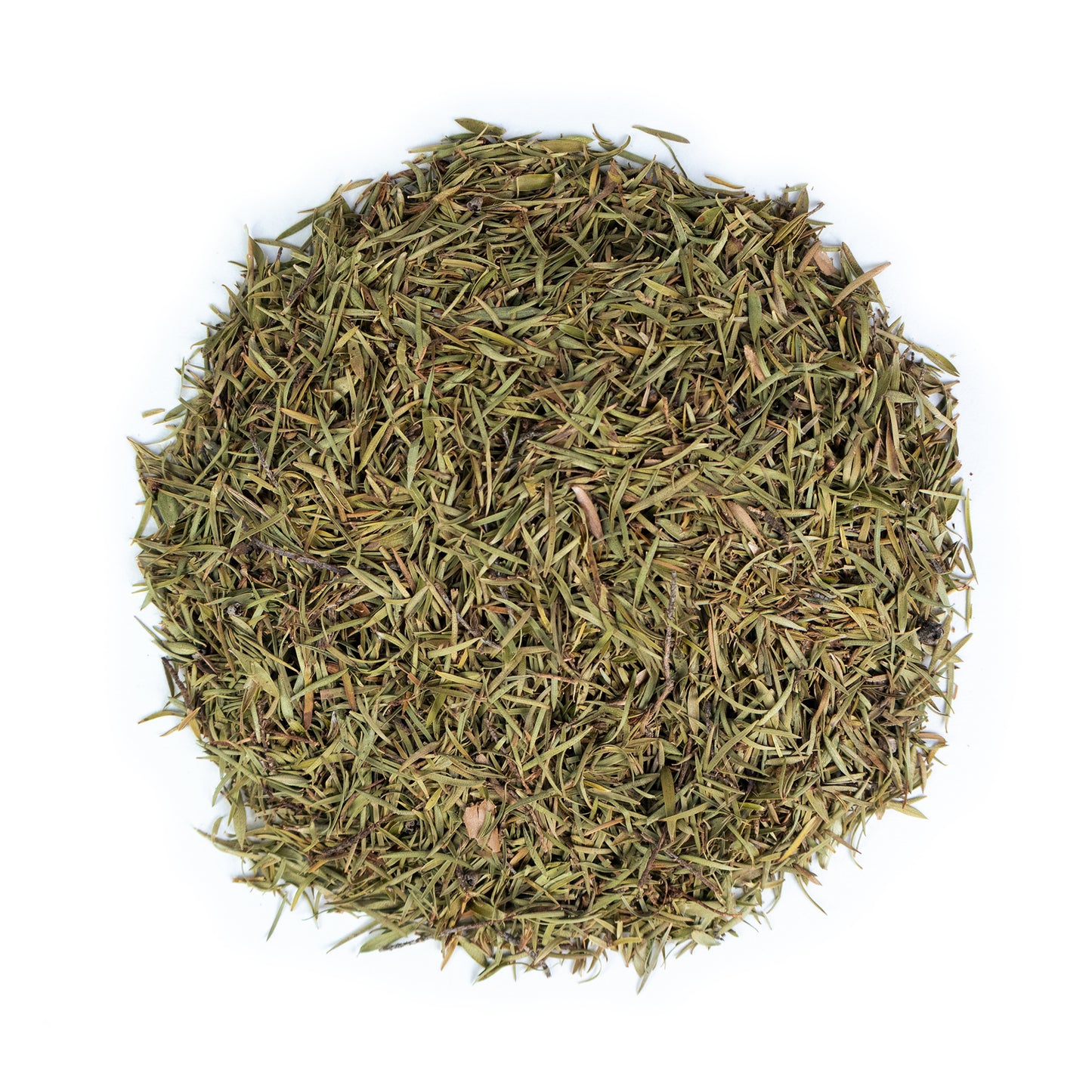
Contents: Manuka leaf (Leptospermum scoparium)
PREPARATION
PREPARATION
Preparations: 1 tsp/cup, steep covered 10 minutes. Drink 3 times daily.
PHYTOTHERAPY
PHYTOTHERAPY
Mānuka (Leptospermum scoparium)
The shrub Leptospermum scoparium, commonly called mānuka, contains a variety of bioactive compounds including monoterpenes, sesquiterpenes, and triketones in its essential oils, as well as phenolic constituents and tannin-type compounds¹. In traditional Māori medicine, leaves and bark of mānuka were used to prepare decoctions or infusions for conditions such as urinary complaints, colds, and for topical use on skin issues². Modern laboratory studies have shown that extracts of L. scoparium essential oil display antimicrobial and antioxidant activities in vitro, which is consistent with its traditional topical use¹.
This information is for educational purposes only and does not refer to the effects of any specific product.
_______________________________________________________________
1. Lis-Balchin, M., Hart, S. L. & Deans, S. G. (2000). Pharmacological and antimicrobial studies on different tea-tree oils (Melaleuca alternifolia, Leptospermum scoparium or Manuka and Kunzea ericoides or Kanuka) originating in Australia and New Zealand. Phytotherapy Research, 14(8), 623–629. https://doi.org/10.1002/1099-1573(200012)14:8
2. Herb Federation of New Zealand. (2007). Mānuka (Leptospermum scoparium) monograph. Retrieved [Nov, 2025], from https://www.herbs.org.nz/herbs/manuka/
Precautions
Precautions
- Manuka is a high tannin containing herb. Caution with long-term use due to the effects of tannin on nutrient absorption.
- Caution high doses in constipation
For specific herb contraindications, see our Herb Hub for more detailed information.
Happy Herb Co provides referenced information for educational purposes only, and does not make any therapeutic claims for any of their products.
Please seek advice from a healthcare provider if you wish to use herbs for therapeutic purposes.

Manuka Leaf
Manuka Leaf is an antimicrobial and anti-inflammatory herb that has been used traditionally by the Maori people of New Zealand.


