Matcha Profile
Matcha
Camellia sinensis
For morning rituals, sustained focus and clean energy.


Cart
Your cart is empty

Join us in our love of herbs
Matcha Profile
Camellia sinensis
For morning rituals, sustained focus and clean energy.
Herbal Intelligence
Matcha (Camellia sinensis) is a fine, bright green powder made from the shade-grown leaves of the tea plant, a shrub native to East Asia. Powdered tea was brought from China to Japan by the Zen monk Eisai some eight hundred years ago, and it became the tea of the Japanese tea ceremony.
The taste is grassy, savoury and smooth, with a little bitterness. Most people whisk Matcha into hot water or milk, and it is the herb our customers reach for in the morning, when they want calm, steady focus.
Tea first reached Japan early in the Heian period (794 to 1185), carried home by scholar-monks returning from Tang dynasty China(1). A new era began with the monk Eisai (1141 to 1215), who studied Zen Buddhism in China and returned with powdered green tea, which he promoted as a means of preserving health(1).
Eisai planted tea in northern Kyushu and in the Toganoo hills near Kyoto, and by the 1300s it was grown throughout Japan(1). In Zen monasteries powdered tea was drunk to stay alert through long periods of meditation(2).
Out of this grew chanoyu, literally 'hot water for tea', the stylised preparing and serving of powdered green tea. Sen Rikyu (1521 to 1591) gave it the form known today(2). For Matcha the bushes are still shaded before harvest, and the leaves are steamed and ground to a fine powder(3).
Matcha contains caffeine, between 18.9 and 44.4 milligrams per gram, more than most other green teas(3). Shading the bushes raises the leaf's content of chlorophyll and of the amino acid theanine(3). Matcha is also rich in catechins, of which EGCG (epigallocatechin gallate) is the most abundant(3). Because the whole leaf is drunk as a powder, all of these end up in the bowl. In the laboratory the catechins and theanine are studied for antioxidant activity and for their effects on attention and stress responses(3, 4).
In Western herbalism Matcha, like all green tea, is classed as a stimulant, on account of its caffeine. Many people describe its lift as calmer than coffee's and put that down to theanine, though research has not settled the point.
People take it in the morning or early afternoon: a whisked bowl before work or study, or a Matcha latte in place of coffee.
A 2023 review found five randomised trials of Matcha in people. They pointed to less stress and slightly better attention and memory, but the reviewers judged the evidence still limited and drew no conclusions(4). The US National Center for Complementary and Integrative Health says the same of green tea as a whole: definite conclusions cannot yet be reached(5). So we describe how it is used, not what it will do.
Developed and reviewed by Laura GraceClinically reviewed by Tamara Welsh, Clinical HerbalistLast reviewed
This profile is intended as a researched educational guide and does not replace the broader perspective of a herbal consultation.
In everyday life
Matcha is taken in three main ways.
Matcha also appears in blended liquid extracts. It contains caffeine, so most people take it in the morning or early afternoon and count it alongside any coffee or tea they drink that day.
Whisk, then stop.
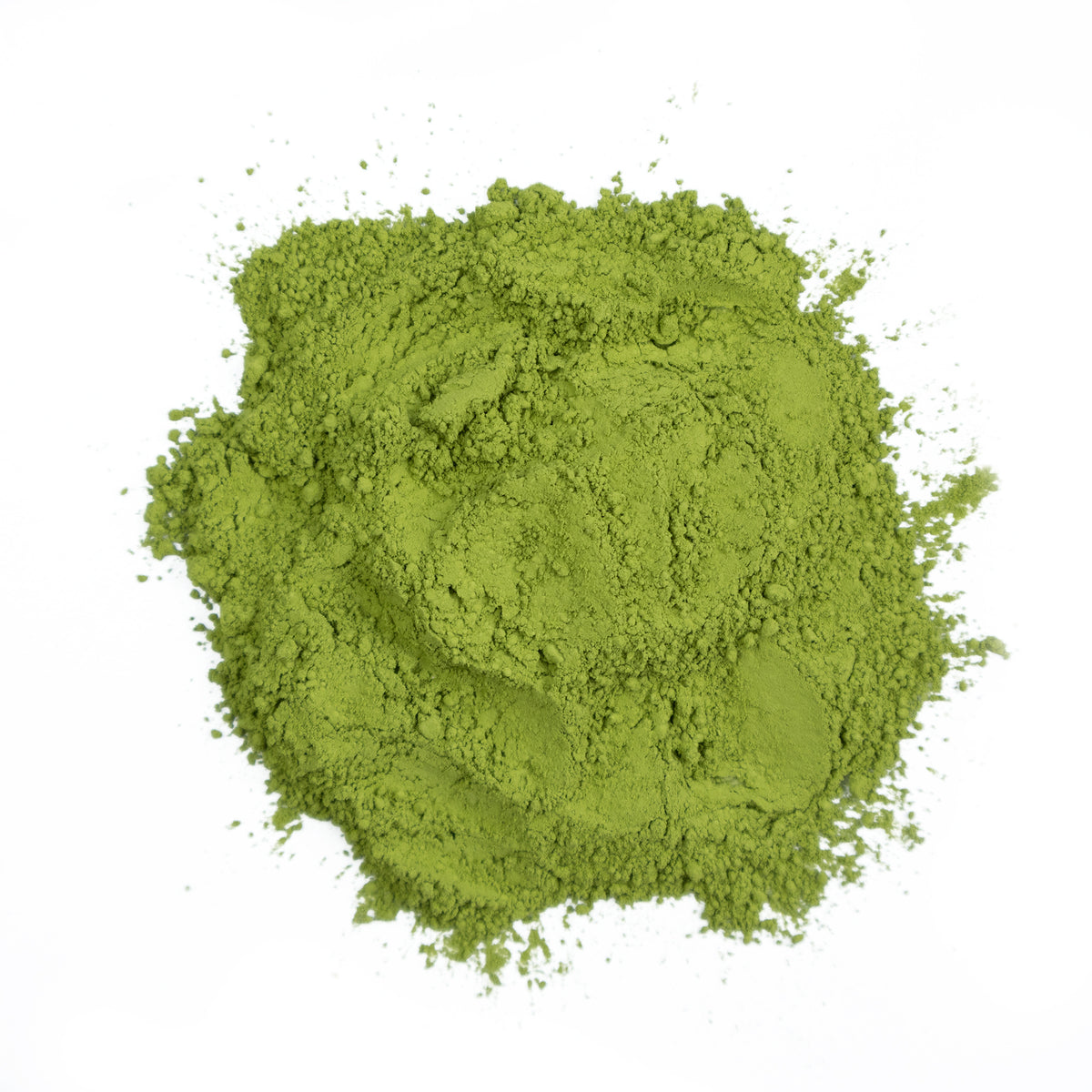
Sift a teaspoon of matcha into a bowl and look at the colour, a green so bright it seems lit from inside. The bushes are shaded for weeks before picking, which is where the colour comes from.
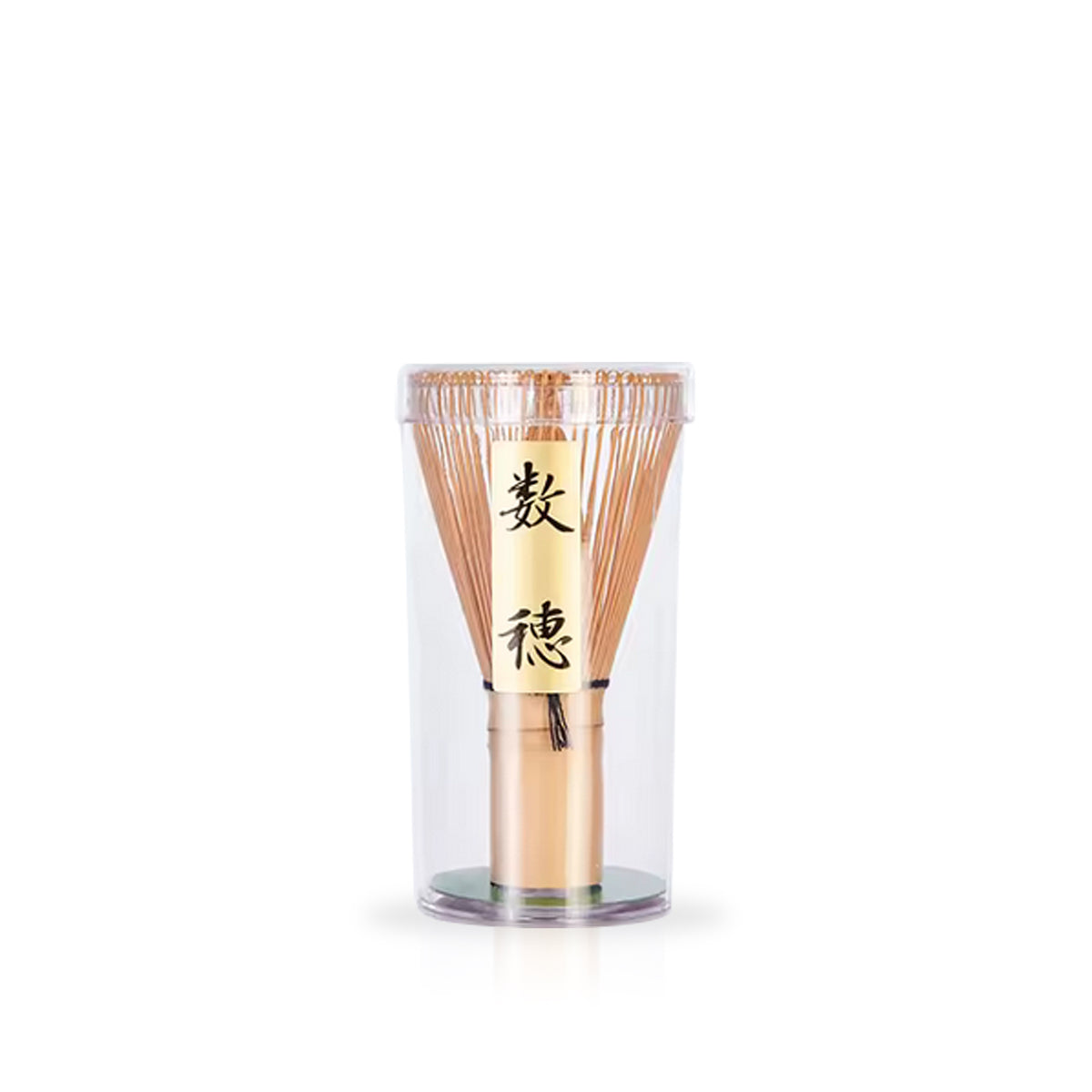
Add a little hot water and whisk in quick strokes until it froths. Then put the whisk down, hold the bowl in both hands and turn it once before you drink, as the tea ceremony does.
Sip slowly. The ceremony is built from small, deliberate actions. What one action could you do deliberately today instead of automatically?
Shop

Single Herb
For morning rituals, sustained focus and clean energy.

Accessories

Magic Elixirs

Eden Healthfoods
Guarana, maca, yerba mate, green tea and ginseng in a whole-herb powder.
FAQ
Matcha is green tea (Camellia sinensis) in powdered form. The tea bushes are shaded before harvest, and the leaves are steamed and ground to a fine, bright green powder, so the whole leaf is drunk. Powdered tea was brought from China to Japan by the Zen monk Eisai around eight hundred years ago, and Matcha is the tea of the Japanese tea ceremony.
Matcha is long associated with calm, steady focus. In Japan it has been drunk in Zen monasteries and in the tea ceremony for centuries, and Western herbalism classes it as a stimulant, on account of its caffeine. A 2023 review of five trials in people judged the evidence still limited, so we describe how it is used, not what it will do.
Matcha is best known as a herb people reach for when they want calm, steady focus for work or study. Most people have a bowl in the morning or early afternoon. Because Matcha contains caffeine, it is best avoided in the evening and counted alongside any coffee you drink.
Whisk 1 to 2 teaspoons of Matcha with about 60 ml of hot water until frothy, ideally with a bamboo whisk. For a latte, stir the powder to a paste with a very little hot water, then fill the cup with hot water or hot milk and add honey to taste. Start with half a teaspoon if you are sensitive to caffeine.
Yes. Matcha contains between 18.9 and 44.4 milligrams of caffeine per gram, more than most other green teas and, weight for weight, more than coffee beans. A serve is only a teaspoon or two of powder, so count a bowl of Matcha as you would a cup of coffee, and take it in the morning or early afternoon.
The US National Center for Complementary and Integrative Health says no safety concerns have been reported for green tea drunk as a beverage by adults. Matcha is green tea in a concentrated form and contains caffeine, so the usual advice on caffeine applies: keep it to the morning or early afternoon, and count it alongside your coffee and tea.
Because of its caffeine, Matcha may cause headache, insomnia, irritability, diarrhoea or heartburn if you have too much or are sensitive to it. The US NCCIH notes that caffeine should be kept moderate in pregnancy and passes into breast milk, and that large amounts of green tea can reduce the effect of the medicine nadolol. If you take medication or have a health condition, check with your health professional first.
Because of its caffeine content, Matcha may cause side effects such as headache, insomnia, irritability, diarrhoea and heartburn when consumed in excess, or in people who are sensitive to caffeine. Keep caffeine to moderate levels during pregnancy and while breastfeeding, as caffeine passes into breast milk. Large amounts of green tea can reduce the effect of the blood pressure medicine nadolol.
As described in the monographs cited under Sources.