Elecampane Profile
Elecampane
Inula helenium
For deep breath, seasonal ease and respiratory depth.


Cart
Your cart is empty

Join us in our love of herbs
Elecampane Profile
Inula helenium
For deep breath, seasonal ease and respiratory depth.
Herbal Intelligence
Elecampane (Inula helenium) is a tall perennial of the daisy family, thought to come from western and central Asia and grown across Europe since ancient times. Its thick, aromatic root has been used since the days of ancient Greece and Rome, mostly as a herb for the chest.
The taste is bitter, aromatic and a little sweet, with a camphor-like edge. Most people simmer the root into a tea or take it as a liquid extract, often with honey, and it is the herb our customers reach for in the cooler months, when they want to breathe deeply and feel clear in the chest.
Elecampane is one of Europe's oldest recorded herbs. Greek and Roman physicians were the first to write about the Inula plants(1). Its species name, helenium, comes by legend from Helen of Troy, said to have been holding the plant when Paris carried her off(2).
The English name comes from the medieval Latin enula campana, 'Inula of the fields'. The Anglo-Saxons knew it as elene, and two old country names, Horseheal and Scabwort, record its use for horses and mules and on the skin(2). Medieval monks prized it as a cordial, and the root was candied and eaten as a sweet(2).
The same root is used in Chinese medicine, where it is called tu mu xiang and is listed in the Chinese Pharmacopoeia(1). Across these traditions it is a root for coughs and the chest(1, 2).
Elecampane is the dried root of Inula helenium. The root contains a characteristic group of sesquiterpene lactones, especially alantolactone and isoalantolactone, along with inulin-type polysaccharides and essential oil constituents(3). In the laboratory these compounds are studied for their antioxidant activity and their effects on mucous membranes and microbes(3).
In Western herbalism Elecampane is classed as an expectorant and an aromatic bitter: a root for the chest and for digestion. Herbalists suggest it through the cooler months, in winter teas, syrups and honeys, often alongside Mullein, and in small amounts before meals as a digestive bitter.
For some people Elecampane is part of habit shifting: a daily cup that marks a new routine and a reminder to breathe deeply.
Research into Elecampane is still at an early stage. A 2014 review of the Inula plants concluded that although their uses have been known for centuries, there are not yet enough scientific studies to confirm them(1). So we describe how it is used, not what it will do.
Developed and reviewed by Laura GraceClinically reviewed by Tamara Welsh, Clinical HerbalistLast reviewed
This profile is intended as a researched educational guide and does not replace the broader perspective of a herbal consultation.
In everyday life
Elecampane root is taken in three main ways.
Elecampane is usually taken for a few weeks at a time through the cooler months.
Tall, bitter and sweet.
Smell a piece of the root, which is aromatic, camphor-like and sweet underneath. The plant stands two metres tall with yellow flowers, and its name is said to come from Helen of Troy.
Bring the root to the boil, then take it off the heat and leave it, covered, for twenty minutes. The waiting is most of the recipe. Add honey.
Sip slowly. Bitterness and sweetness in the same root, neither cancelling the other. What in your life are you trying to make simpler than it is?
Shop


Single Herb
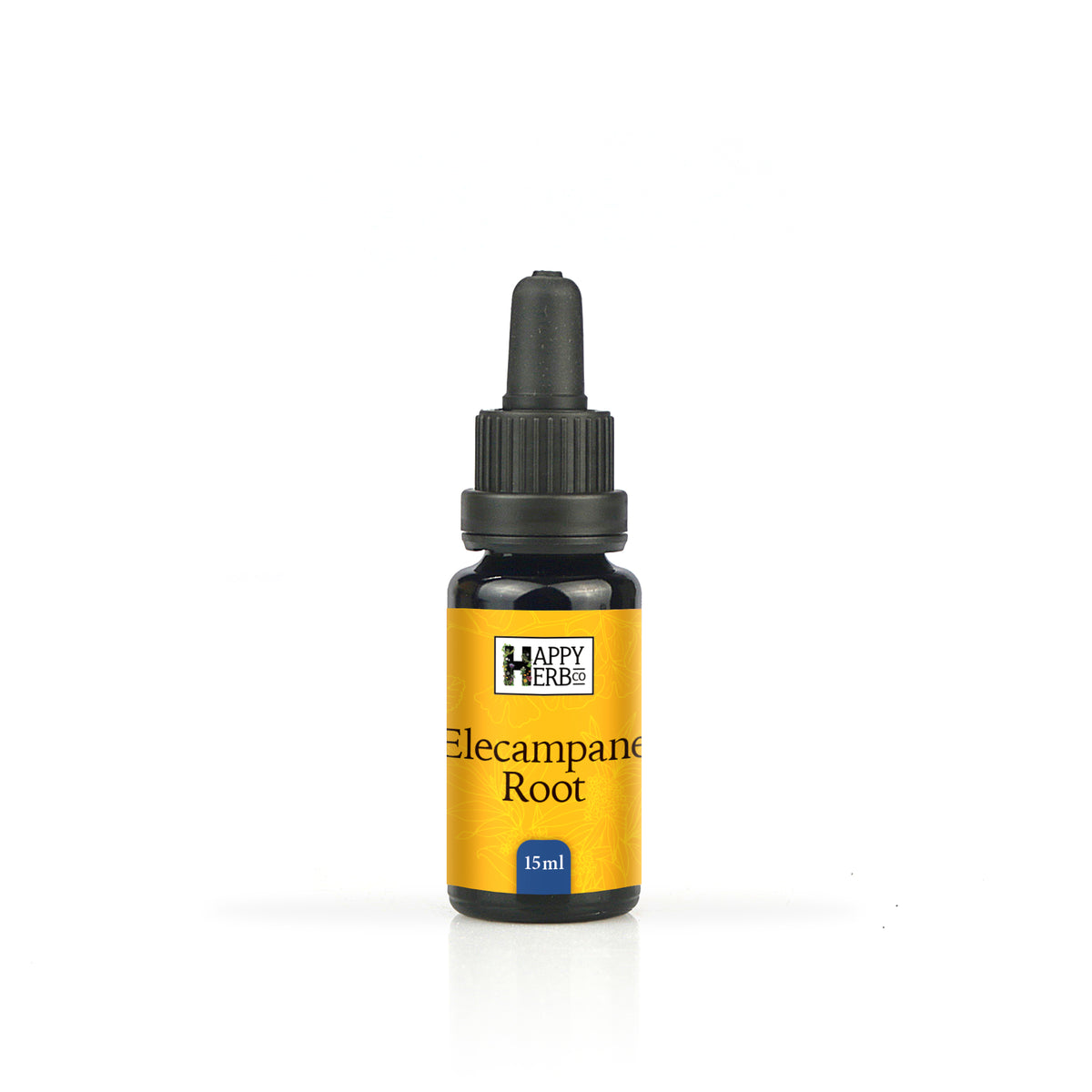
Spagyric
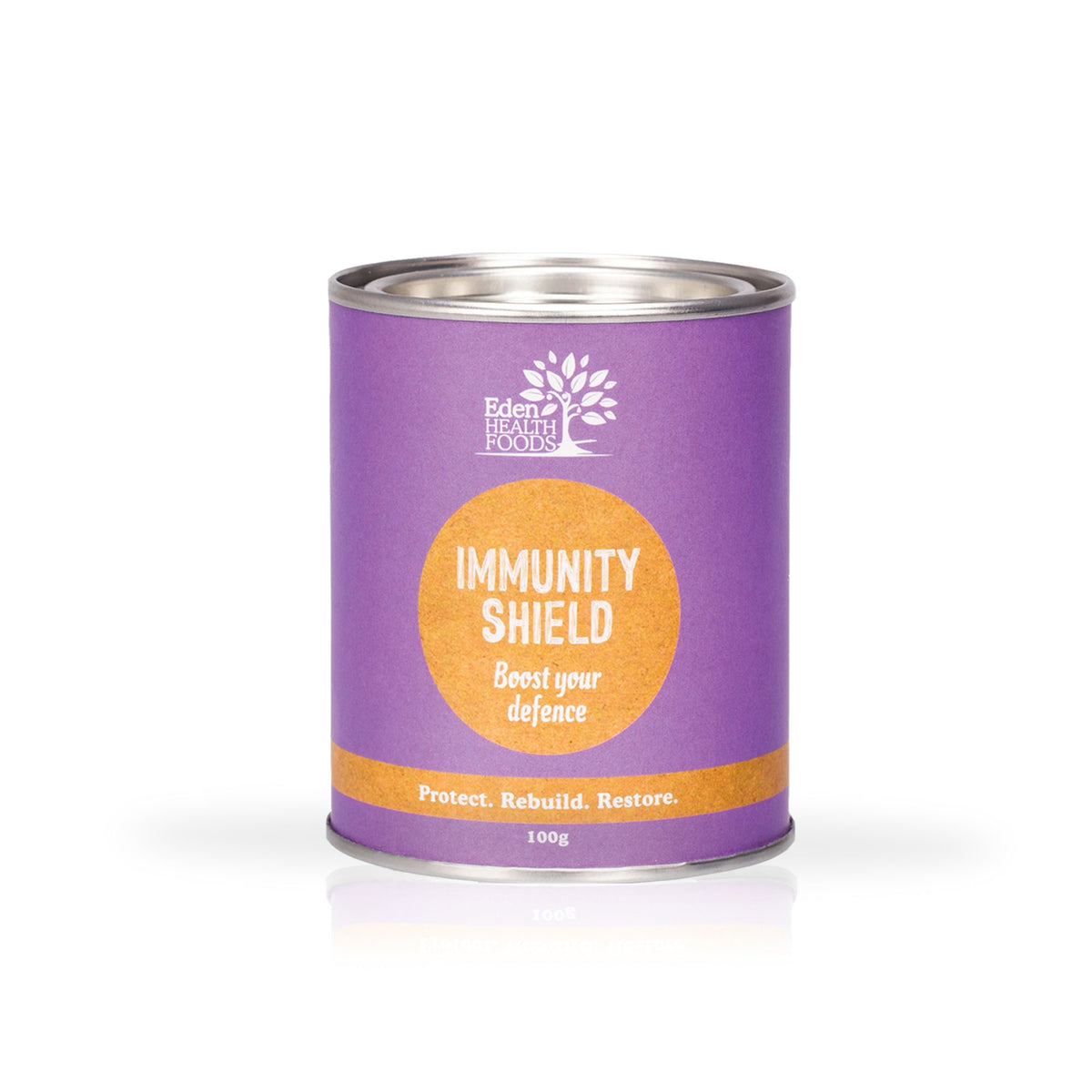
Eden Healthfoods
An echinacea-led formula with goji, rosehip, elderberry and astragalus.
FAQ
Elecampane (Inula helenium) is a tall perennial of the daisy family, grown across Europe since ancient times. Its thick, aromatic root has been used since the days of ancient Greece and Rome and has long been known as a herb for the chest. Today it is taken as a tea or as a liquid extract.
Elecampane is long associated with the chest and with digestion. European and Chinese traditions both know it as a root for coughs and the chest, and Western herbalists class Elecampane as an expectorant and an aromatic bitter. A 2014 review concluded there are not yet enough scientific studies to confirm its uses, so we describe how it is used, not what it will do.
Elecampane is best known as a herb people turn to in the cooler months, when they want to breathe deeply and feel clear in the chest. Most people take it for a few weeks at a time, as a tea or a liquid extract, often with honey.
Bring dried Elecampane root to the boil in water for a few minutes, then take it off the heat and steep, covered, for 15 to 30 minutes before straining. The usual amount is 4.5 to 12 grams of dried root a day, split across two or three cups. Add honey to taste.
No. Elecampane is naturally caffeine free. The root makes a bitter, aromatic tea with a camphor-like edge, usually taken with honey, and it can be drunk at any time of day.
Elecampane root is bitter, aromatic and a little sweet, with a camphor-like edge. Honey suits it well, which is why the root has so often been made into syrups and sweets.
Do not use Elecampane if you have a known allergy to plants of the daisy family (Asteraceae). Use caution during pregnancy and breastfeeding. If you take medication or have a health condition, check with your health professional first.
The herbs with a long tradition for the chest after smoking are taken as teas: Mullein and Marshmallow Leaf as soft, soothing cups, Thyme and Elecampane as sharper aromatic ones, Peppermint for freshness, and Licorice Root in small amounts for short stretches.
Detox is a marketing word, not a herbal one. The lungs clear themselves over months once smoking stops, and no herb has been shown to speed that. Coltsfoot is not for internal use in Australia. A cough that lasts needs your GP.
Do not use if you have a known allergy to the Asteraceae (daisy) plant family. Use with caution in pregnancy and breastfeeding.
As described in the monographs cited under Sources.
Log in or create an account to use your points.