

Kava - Traditional Borogoru
Shipping calculated at checkout

Borogoru Kava: An Evening Moment for the End of the Day
The heavy one. A Noble cultivar from Espiritu Santo whose chemotype (243516) leads with dihydromethysticin, which puts it firmly at the evening end of the table: slow to arrive, long in the body, the Kava for after a day of physical work or the last cup of the night. Peppery and bitter, with fresh herb and liquorice behind it.
- Character
- Peppery · Fresh herbs · Liquorice
- Companion for
- Late evening · After physical work · The last cup
- Pairs well with
- , ,
Chamomile (Matricaria recutita): apple-scented flowers of the daisy family, long associated with calm evenings, rest and digestion. Enjoyed as a tea.
A calming herb that is useful for nervous stomachs, colic, heart spasms, relieving colds, flus, and fevers, plus a powerful antiviral, and soothing & uplifting tea for nervous tension, anxiety and depression.
An intricate climbing flower, a classic for winding down.
Ingredients
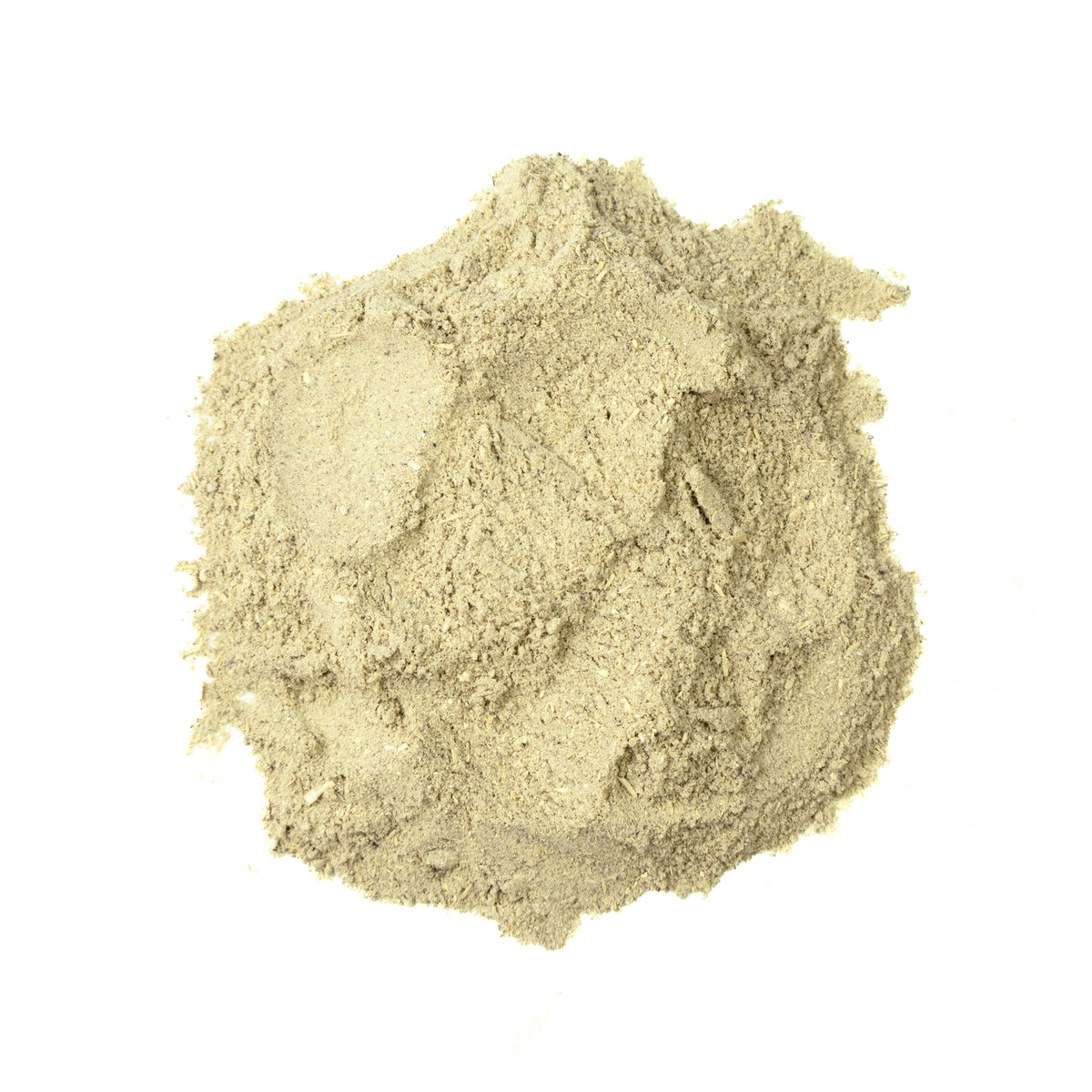
Content: Noble Kava root (Piper methysticum), Borogoru cultivar, traditional grind
Herbal Intelligence
Phytochemistry
Kava root and rhizome contain a group of compounds known as kavalactones, including kavain, dihydrokavain and methysticin. These constituents have been studied extensively for their action on the nervous system.
Living tradition
Kava has been the Pacific's shared evening drink for some three thousand years, poured in ceremony and in company. Today it is best known as the herb people reach for in place of alcohol: a social drink for the end of the day, and the alternative our customers most often come to us for.
Suggested use
A serve is up to 3 heaped tablespoons (35 to 40 g) per person. Put the root in a kava strainer in a bowl, cover with 600 mL of room-temperature water, never hot, and knead and squeeze the strainer for five to ten minutes. Strain into a cup or a shared bowl, and keep the root for a second, lighter brew. Drunk over the evening, a few times a week rather than every day, and not on a night with alcohol. A splash of milk or coconut milk makes it smoother.
Specifications
- Other Names
- Coral flower, Kava kava, kawa, waka, lewena, yaqona, grog (Fiji), sakau (Pohnpei), 'awa (Hawaii), 'ava (Samoa) and wati (New Guinea)
- Range
- Noble Kava
- Grown In
- Espiritu Santo, Vanuatu
- Organic Status
- Chemical/pesticide free
- Plant Parts
- Root
- Packaging
- Home compostable, reusable zip lock pouch
- Kavalactone profile
- 243516, dihydrokavain-led
The six digits rank the main kavalactones by abundance: 1 desmethoxyyangonin, 2 dihydrokavain, 3 yangonin, 4 kavain, 5 dihydromethysticin, 6 methysticin. A code beginning 42 is kavain-led and lighter; one beginning 24 leads with dihydrokavain and sits heavier.
Vegan Friendly
Precautions
- Kava is not recommended for pregnant or breastfeeding women and children.
- Contraindicated with L-Dopa and other Parkinson's disease drugs.
- Caution in liver disease.
- Do not operate heavy machinery.
- Avoid prolonged use.
- Caution - It is not recommended to consume Kava alongside nervous system depressant medications such as sedatives, antidepressants, MAOIs, Benzodiazepines, antipsychotics.
Happy Herb Co shares referenced knowledge about herbs and makes no therapeutic claims for its products. If you are pregnant, breastfeeding, taking medication or managing a health condition, please speak with a health professional before using any herb.
Choose options
Strongest kava i ever had, was better then the traditional medium grind i usually have from Vanuatu. For me Borogoru is the best that agrees with my style. 10 times better then fiji noble kava. I will defiantly but again.
Explore