Botanical Guide
Sleep Patterns
Which herbs suit which pattern, how people prepare them, and answers to the questions we hear most.


Cart
Your cart is empty

Join us in our love of herbs
Botanical Guide
Which herbs suit which pattern, how people prepare them, and answers to the questions we hear most.
Find your pattern
Where does sleep tend to slip away from you?
Pattern 1

For winding down when thoughts keep circling.
Full Skullcap Profile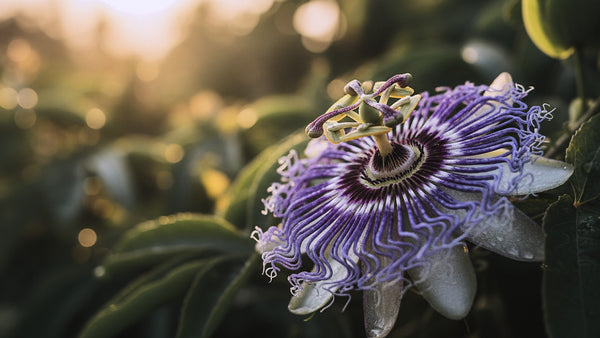
For the nights when the mind is still busy.
Full Passionflower Profile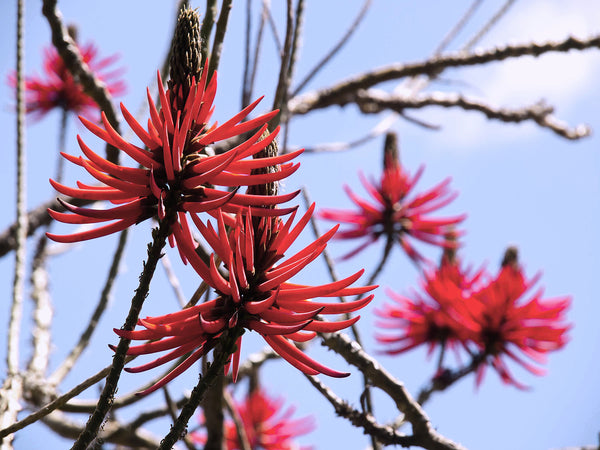
A Brazilian bark for deep evenings, one of our strongest.
Full Mulungu Profile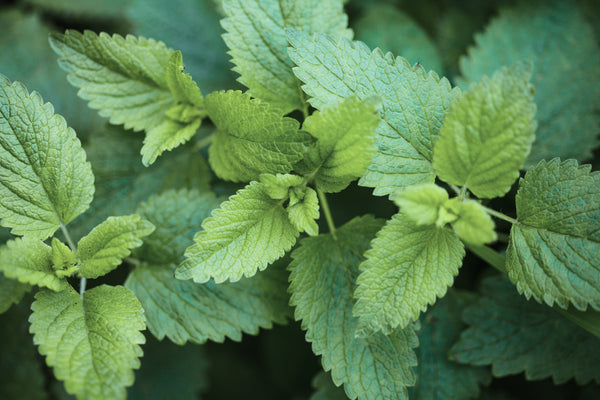
A bright, gentle cup for the end of a frazzled day.
Full Lemon Balm Profile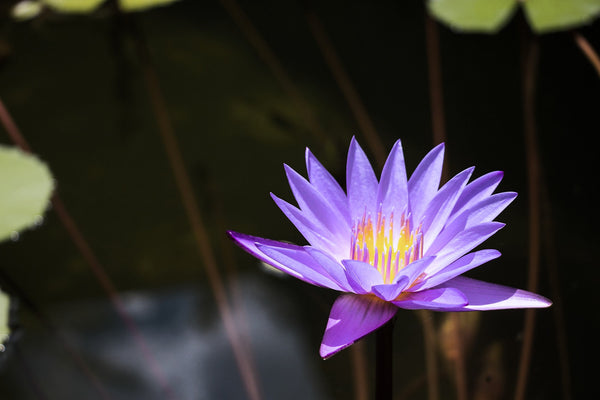
A floral evening tea with a long folklore of vivid dreams.
Full Blue Lily ProfilePattern 2
For the nights when the mind is still busy.
Full Passionflower Profile
A mellow herb for easing into the night.
Full California Poppy Profile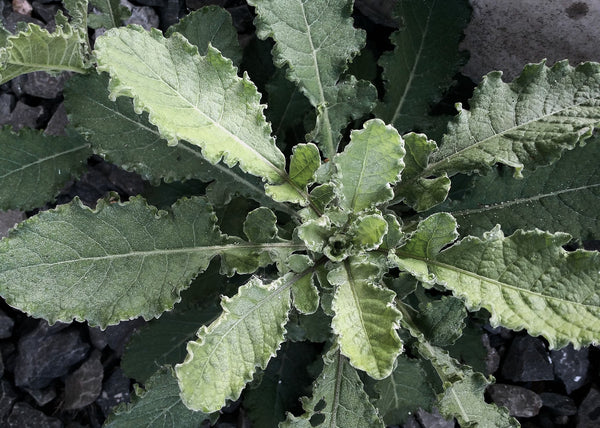
A bitter evening tea for settling in.
Full Wild Lettuce Profile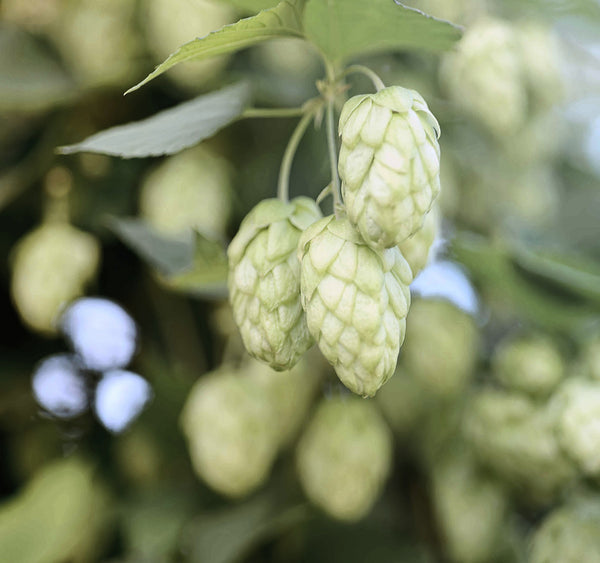
The bitter flower of sleep pillows and bedtime blends.
Full Hops Profile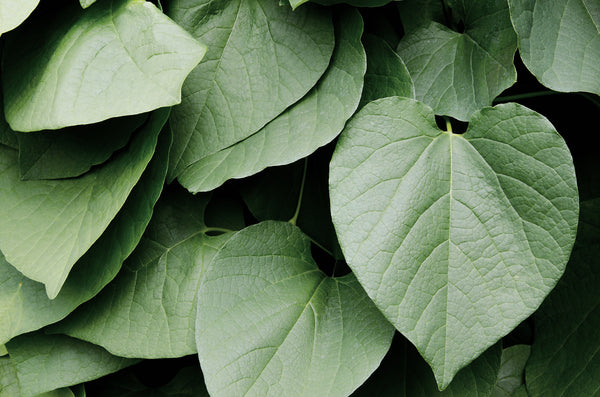
Shared in the evening, when body and mind want to let go.
Full Kava ProfilePattern 3
A mellow herb for easing into the night.
Full California Poppy Profile
A bitter evening tea for settling in.
Full Wild Lettuce Profile
Reached for when tight, aching muscles are what keep you awake.
Full Cramp Bark Profile
Shared in the evening, when body and mind want to let go.
Full Kava ProfilePattern 4
A Brazilian bark for deep evenings, one of our strongest.
Full Mulungu Profile
A Kimberley bush tea of the Nyul Nyul people, sipped before bed.
Full Jilungin Profile
Shared in the evening, when body and mind want to let go.
Full Kava Profile
The bitter flower of sleep pillows and bedtime blends.
Full Hops Profile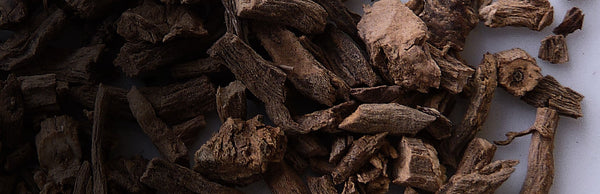
The earthy root long kept for the hour before bed.
Full Valerian Profile
A mellow herb for easing into the night.
Full California Poppy ProfilePattern 5
A bright, gentle cup for the end of a frazzled day.
Full Lemon Balm Profile
A Brazilian bark for deep evenings, one of our strongest.
Full Mulungu Profile
For the nights when the mind is still busy.
Full Passionflower Profile
A floral evening tea with a long folklore of vivid dreams.
Full Blue Lily ProfilePattern 6
A Kimberley bush tea of the Nyul Nyul people, sipped before bed.
Full Jilungin Profile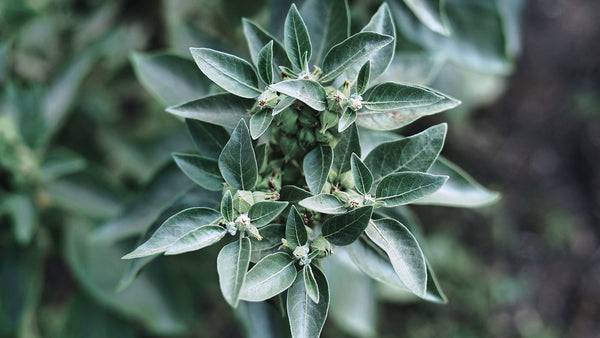
The root taken steadily by day, and in hot milk before bed.
Full Ashwagandha Profile
A Brazilian bark for deep evenings, one of our strongest.
Full Mulungu Profile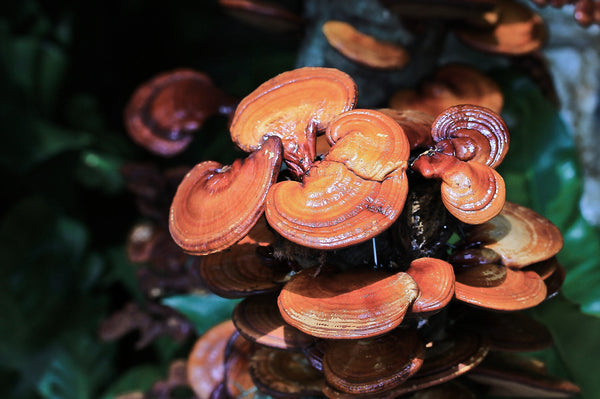
A bitter mushroom tea for the quiet hour before bed.
Full Reishi ProfileA guide based on traditional use, not medical advice.
Shop
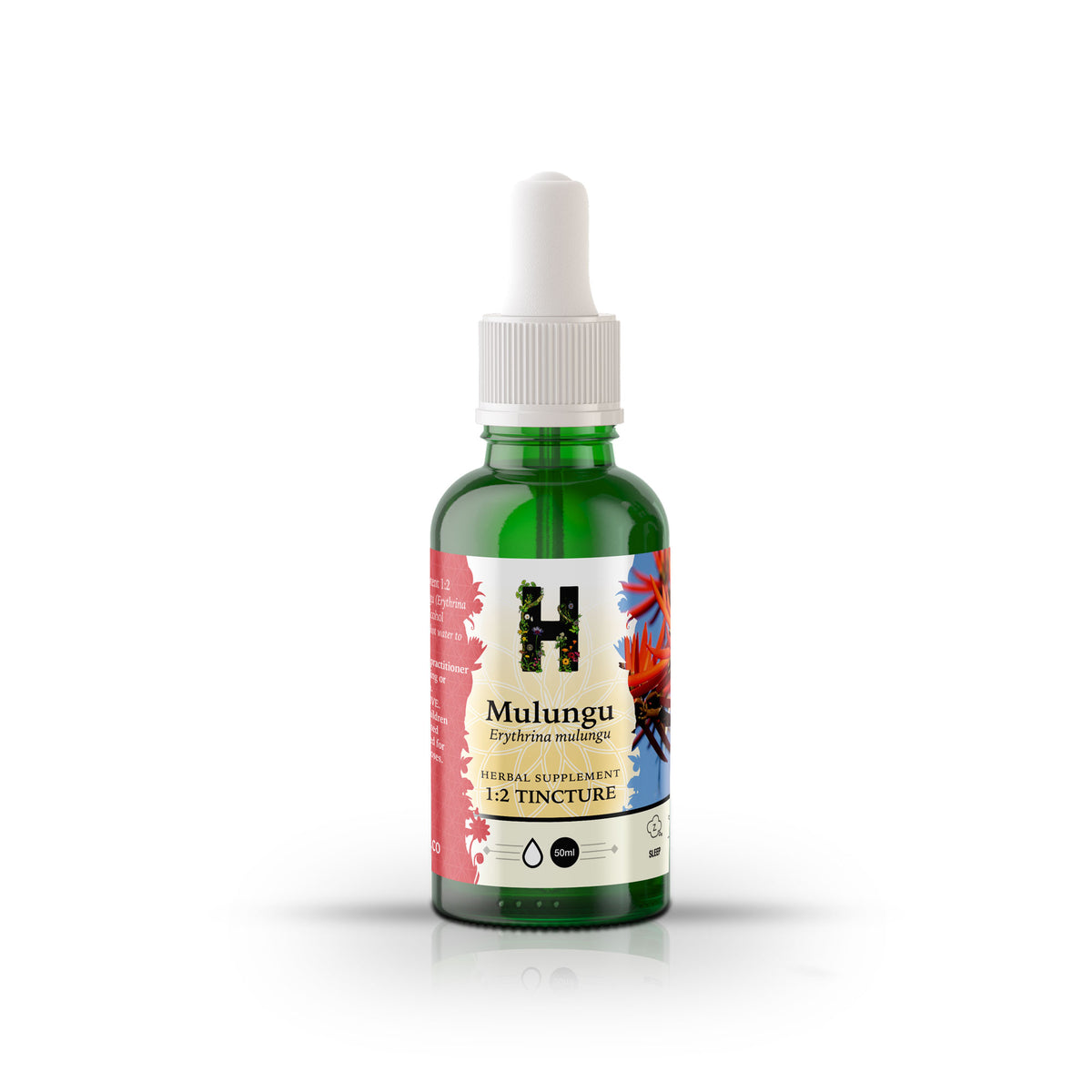
Botanical Concentrate
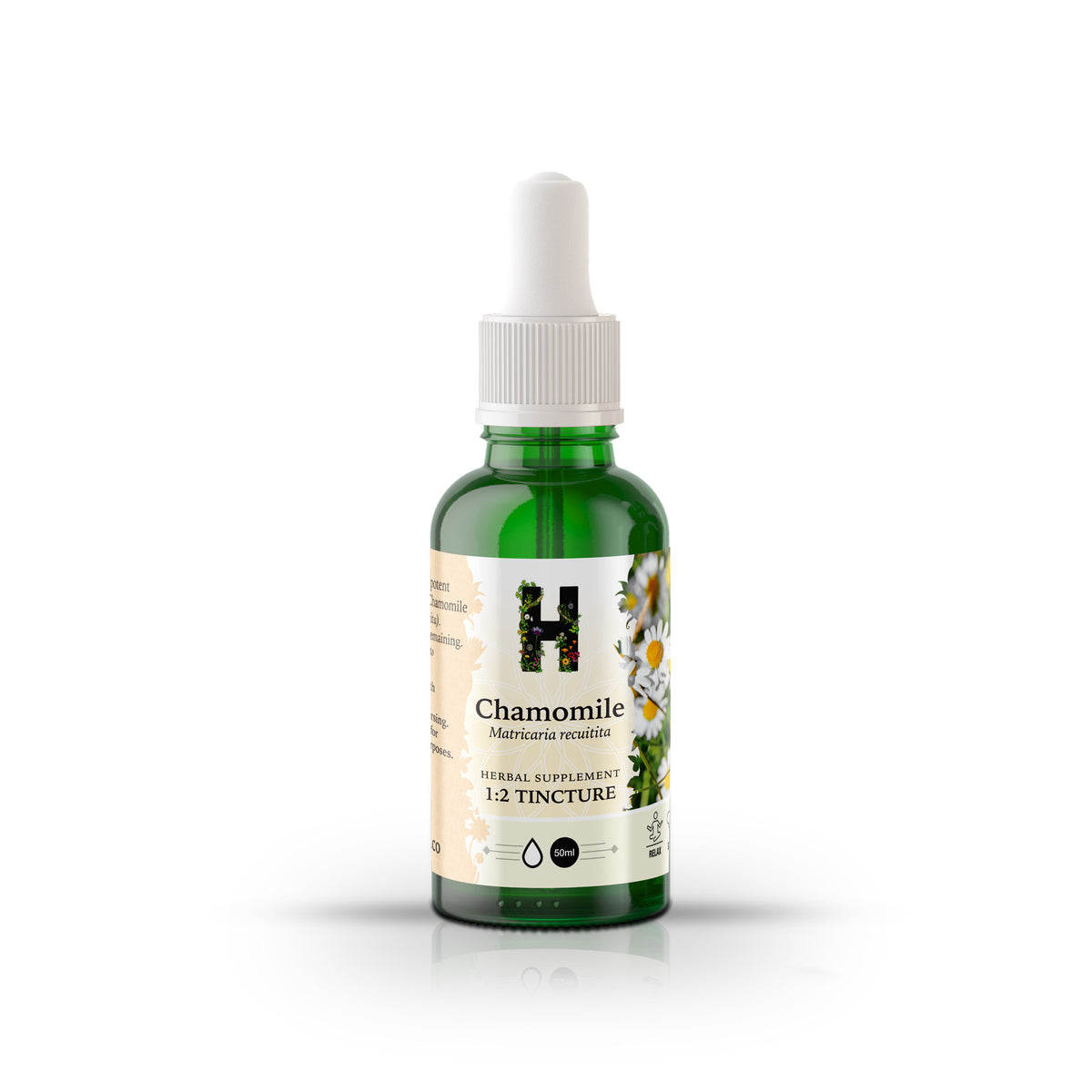
Botanical Concentrate

Botanical Concentrate

Botanical Concentrate
In the kitchen
Most people start with a blended tea. If you want a single herb, these are the ones people reach for, each with its own character. Read the profile for how each is used and its precautions.
Ashwagandha – taken daily over weeks for the long tail of stress, not for a single night.
Passionflower – the racing mind at bedtime.
Valerian – the classic bedtime root, with a strong earthy smell.
Mulungu – the strongest of the evening herbs; some people feel heavy the next morning.
Skullcap – the busy mind.
California Poppy – restless nights when the body is uncomfortable.
Hops – restlessness; bitter in the cup.
Wild Lettuce – the bitter evening leaf.
Lemon Balm – low spirits and nerves felt in the stomach.
Blue Lily – dreamy and soft.
Kava – ease in the evening. Occasional use, never with alcohol; Borogoru is the variety people choose for night.
Chamomile – the gentle evening cup.
Lavender – fragrant, as a cup or a pillow sachet.
We describe how these herbs are used, not what they will do. If sleeplessness has gone on for more than a couple of weeks, see your health professional.
Valerian is best known as a herb people reach for when sleep will not come, when the body is tense and the mind keeps turning. Western herbalists class it as a nervine and one of the strongest herbs in the sleep tradition, used since Roman times for restlessness and broken nights. A few people find it lively rather than drowsy, so start with a small serve.
Most people take it an hour before bed, as a tea or a liquid extract, for a few weeks at a time. If you take medication for sleep or mood, or are pregnant, speak with your health professional first.
Ashwagandha is best known as a herb people reach for when poor sleep follows a long stretch of stress. Ayurveda calls it a rasayana and Western herbalists an adaptogen: a tonic taken daily over weeks, rather than at bedtime for one night. It is taken as a powder in hot milk, a tea, a liquid extract or capsules, usually in the evening.
Clinical trials have measured stress and sleep scores and, in some, cortisol, but they are small and short, so we describe how it is used, not what it will do. See more on Sleep.
This sacred lily from ancient Egypt is often used to improve mood, relax the mind and body and sometimes as an aphrodisiac. Many of our customers find its dreamy energy helps them unwind, quiet their overactive minds and drop off into restful slumber.
California Poppy has a reputation of being a milder, non-addictive alternative to other poppies, and can be used for insomnia. California Poppy is also a useful pain relieving herb, particularly in cases of nerve-generated pain such as sciatica, neuralgia and migraine. If you are experiencing trouble sleeping due to pain, this is definitely a herb to try! When used as a tea before bed, California Poppy promotes a long, restful sleep. Sometimes it can be so effective that we recommend being in bed before taking it – the drowsiness can set in very quickly!
PRO TIP: It’s also quite bitter as a tea, so we recommend trying our California Poppy extract Mellow Yellow.
Chamomile is one of the most well-known herbs for promoting sleep & relaxation. Often enjoyed as a tea, Chamomile contains antioxidants that bind to certain receptors in your brain that may help you feel relaxed and reduce anxiety, making it easier to drift off to sleep. A warm cup of chamomile tea about 30 minutes before bed can be a soothing part of your nightly routine.
Hops are best known from brewing, but the dried flowers have a long history as an evening herb, and hop pillows were once common. Hops are bitter, so most people blend them with chamomile or lemon balm, or take a tincture, in the last hour before bed. Hops are often paired with valerian in bedtime blends.
See more on Sleep.
Kava has been traditionally used to promote relaxation and reduce anxiety. It works by interacting with neurotransmitters in the brain, particularly GABA, which helps to calm the mind and ease tension. Kava is traditionally consumed as a cold infusion and it’s particularly helpful for those who have difficulty sleeping due to stress or anxiety. Happy Herb Co has a large range of Kava varieties that have different actions, we suggest Borogoru is the best for sleep.
Lavender is famous for its calming scent, and research shows that it can help reduce anxiety and improve sleep quality. You can use Lavender in various forms, add to your favourite sleepy tea, enjoy alone as a tea, place under your pillow, or add it to your bath. We would suggest using it when wishing to gently relax before sleep, not necessarily when you are dealing with Insomnia or a series sleep issue.
A member of the mint family, Lemon balm has been traditionally used to improve mood and cognitive function, but it also has mild sedative properties. Lemon balm makes a delicious addition to bedtime tea blends, often combined with other calming herbs like Chamomile or Valerian for enhanced effects. So use this for sleep when you want to potentiate other herbs, or if your low mood is what is causing you to stay awake.
Mulungu is best known as a herb people reach for when the lighter sleep herbs have not been enough. In Brazil and Peru its bark has a long tradition of use for sleep, nervous tension and shock, and it is one of our strongest sleep herbs. It can leave some people drowsy the next morning, so start with a small serve.
Most people take it an hour before bed, as a tea or a liquid extract, for a few weeks at a time rather than every night for months. If you take medication for sleep, mood or blood pressure, or are pregnant, speak with your health professional first.
Passionflower is a sedative and nervine herb, making it an amazing tool to use for a sound, restful sleep. Most users report waking up with a smile on their face in the mornings after a deep passionflower slumber. Like Valerian Root, it works by boosting GABA levels in the brain, promoting relaxation and reducing stress.
Skullcap, as the name suggests, is great for when a busy mind is keeping you awake. It is highly valued for its ability to soothe and tone the nervous system. This herb has mild sedative properties and is often used to alleviate symptoms of anxiety, nervousness, and insomnia. Skullcap is particularly effective when combined with other calming herbs like Valerian, Passionflower, or Lemon Balm. It’s also very effective for tension headaches.
Wild Lettuce is best known as a herb people reach for when sleep will not come. As an antispasmodic, anodyne and nervine, it is used in the evening for getting to sleep and for restlessness. It is also used for pain, so if that is what is keeping you up at night, it is one to look at.
You will see from our other FAQ relating to sleep we have highlighted the herbs and where they are most effective for different sleep issues, but we offer the herbs in a few different ways throughout our product range.
Dried Herbs - This is where you will make a tea, or make your own concoction in another way. By using the dried herb you are connecting, understanding, and tasting the herb better and its a more engaging way to take the herb. A bedtime herbal tea can often set you up for a good sleep. That said, if you have a weak bladder, then drinking tea before sleep may not be practical.
Milled Herb Blends - Many of our leafy herbs are available as milled blends, and a lot of our customers enjoy them this way. We have a range called Milled Herb Blends, which lists all of our milled blends and single herbs that are commonly used in this format.
Liquid Herbs - These herbs are convenient for sleep because they are already prepared so if you need herbal help in the middle of the night, or you have a weak bladder, then this is a good option. We offer a lot of herbs as a tincture as a convenient way to consume them, making them as potent as possible. We also have a range of spagyrics, which is a unique way of extraction that maintains the spirit and the essence of the plant. Typically more herb is used in a straight tincture, but the Spagyrics can sometimes be more potent because it captures more of the full entourage effect.
Go deeper