Access Denied
IMPORTANT! If you’re a store owner, please make sure you have Customer accounts enabled in your Store Admin, as you have customer based locks set up with EasyLockdown app. Enable Customer Accounts



1
/
of
4
Happy Herb Co
Traditional Kava - Melo Melo
Traditional Kava - Melo Melo
1 review
Regular price
$41.50 AUD
Regular price
Sale price
$41.50 AUD
Unit price
/
per
Taxes included.
Shipping calculated at checkout.
EFFECTS


Couldn't load pickup availability
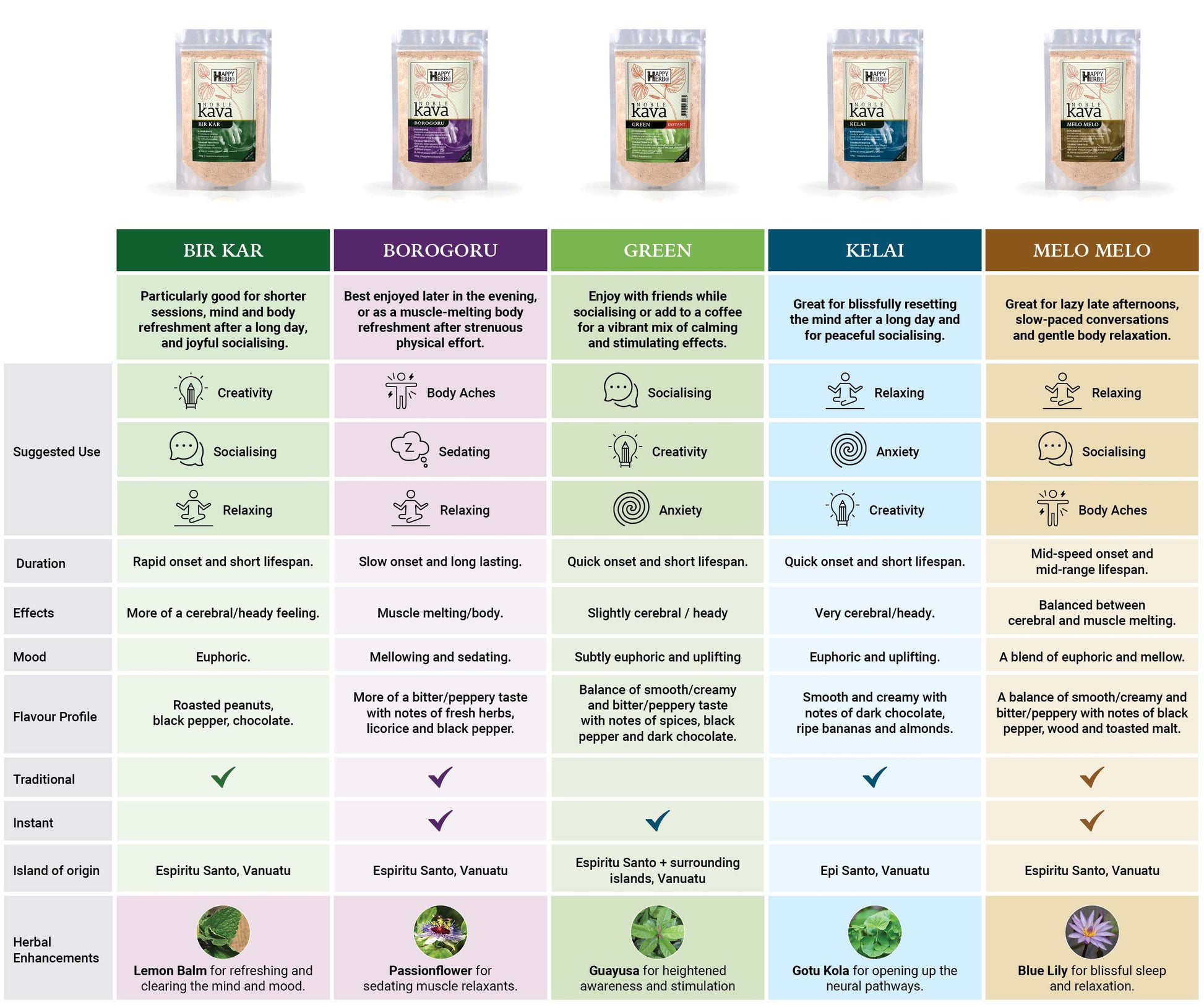
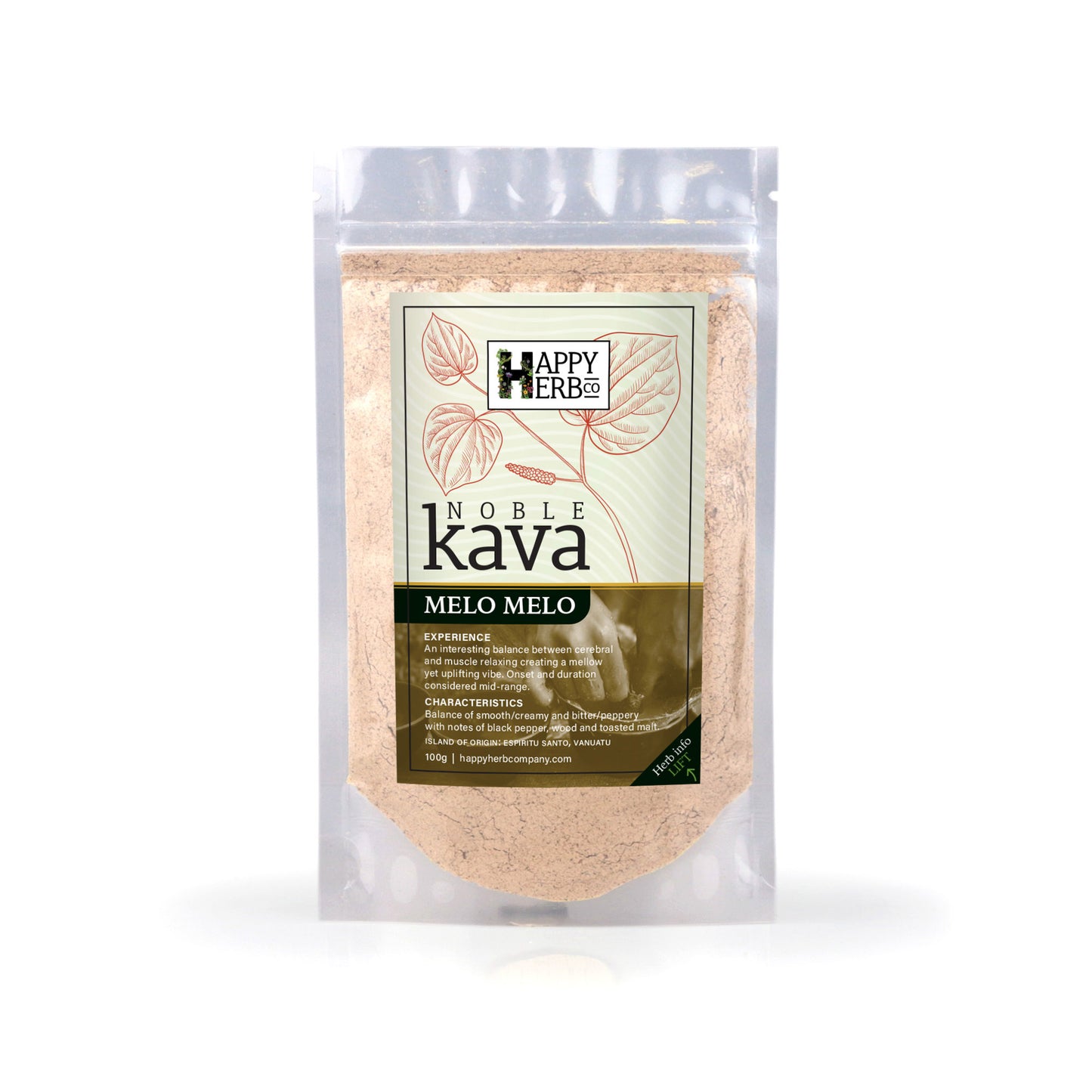
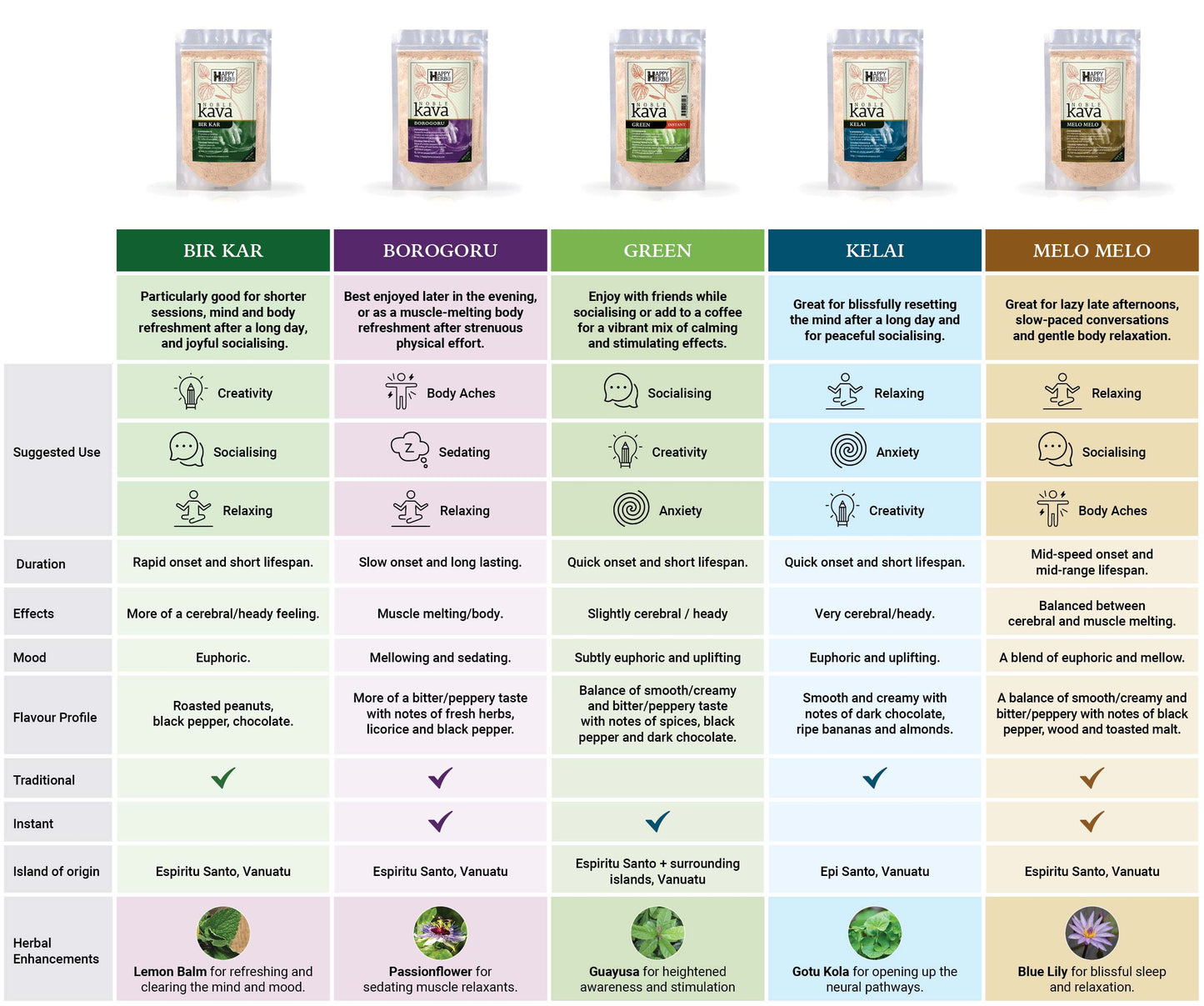
As the name suggests, Melo Melo cultivar is famous for promoting a state of pleasant mellowness. This well-balanced, bitter-sweet and creamy cultivar acts in a slow and pleasantly warm manner. Great for lazy late afternoons, slow-paced conversations and gentle body relaxation.
Island of Origin: Espiritu Santo, Vanuatu
Average Laterals to Stump Ratio: 30-70
Typical Chemotype: 243156
Processing: Fully washed and peeled. Dried in a temperature-controlled dehydrator.
Effects: Balanced between cerebral/muscle melting, blend of euphoric and mellow, mid-speed onset and mid-range lifespan.
Flavour profile: Balance of smooth/creamy and bitter/peppery with notes of black pepper, wood and toasted malt.
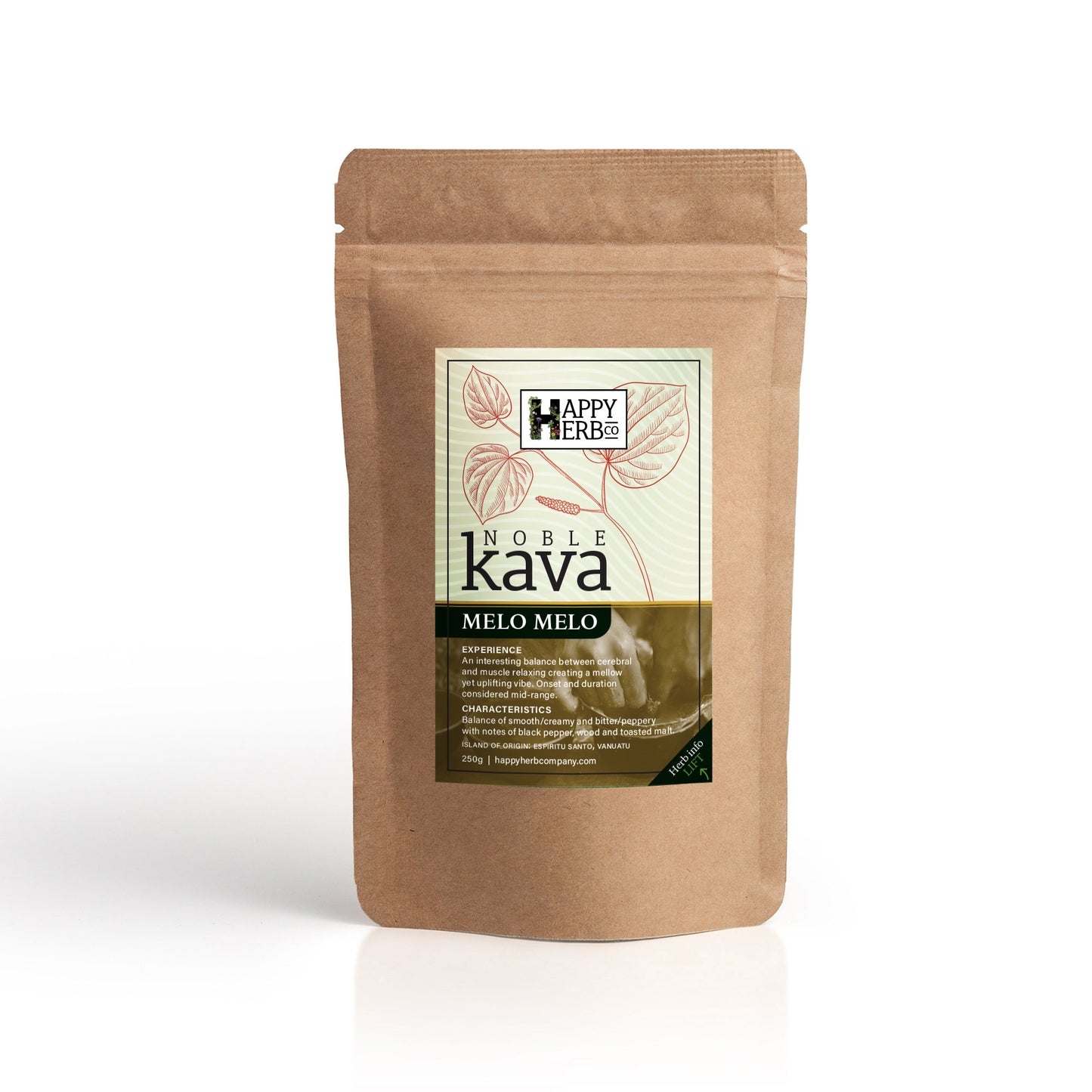
Please note: The 250g size does not come in a home compostable bag.
As the name suggests, Melo Melo cultivar is famous for promoting a state of pleasant mellowness. This well-balanced, bitter-sweet and creamy cultivar acts in a slow and pleasantly warm manner. Great for lazy late afternoons, slow-paced conversations and gentle body relaxation.
Island of Origin: Espiritu Santo, Vanuatu
Average Laterals to Stump Ratio: 30-70
Typical Chemotype: 243156
Processing: Fully washed and peeled. Dried in a temperature-controlled dehydrator.
Effects: Balanced between cerebral/muscle melting, blend of euphoric and mellow, mid-speed onset and mid-range lifespan.
Flavour profile: Balance of smooth/creamy and bitter/peppery with notes of black pepper, wood and toasted malt.
Please note: The 250g size does not come in a home compostable bag.
Ingredients
Ingredients
Content: Kava (Piper methysticum)
PREPARATION
PREPARATION
Preparation: Use up to 3 heaped tablespoons in 600ml warm water per person. Scoop Kava into a cloth bag, place in bowl & cover with water. Squeeze and knead for 5-10 mins. Squeeze out bag and set aside (to re-brew later). Strain liquid into cup. Alternatively, blend Kava with water for 1-2 minutes, then strain through cheesecloth or Kava bag. Adding any type of milk or fatty product can help activate the Kava and create a smoother taste. Enjoy!
PHYTOTHERAPY
PHYTOTHERAPY
Kava (Piper methysticum)
Kava is a culturally significant plant cultivated throughout the Pacific Islands, where the peeled root and stump are traditionally macerated in cold water to produce a communal beverage used in social, ceremonial, and diplomatic settings.¹,² Its chemistry centers on kavalactones, principally kawain, dihydrokawain, methysticin, dihydromethysticin, yangonin, and desmethoxyyangonin, which define cultivar chemotypes and vary by lineage, geography, and plant part.³ In vitro studies have examined kavalactones for interactions with GABAergic signalling, calcium channels, and cytochrome P450 enzyme systems, without implying specific physiological outcomes.³,⁴
Pacific classification distinguishes “noble” cultivars from tudei and wild types, with noble kavas regarded as suitable for daily social drinking due to balanced sensory characteristics and longstanding cultural acceptance.¹,² Traditional preparation emphasizes aqueous extraction of root material, avoiding aerial parts.¹
Melo Melo is traditionally described as mellow and approachable, with a bright and clean sensory profile consistent with noble classification. Its cultural role reflects kava’s long-standing function as a facilitator of social space and dialogue in Vanuatu rather than specific functional outcomes.¹,²
__________________________________________________
1. Lebot, V. (2016). Kava: The Pacific Elixir (2nd ed.). University of Hawaii Press.
2. SPC (Pacific Community). (2021). Kava Quality Standard & Noble Classification Guidelines. Pacific Community Publications.
3. Jamieson, D. D., & Duffield, P. H. (1990). The kava alkaloid constituents: Chemistry, pharmacology, and selected clinical considerations. Journal of Ethnopharmacology, 27(1–2), 153–160. https://doi.org/10.1016/0378-8741(89)90067-5
4. Zhou, P., Gross, S., Liu, J. H., Yu, B. Y., Feng, L. L., Nolta, J., … Yao, P. (2010). Kavalactones and cytochrome P450 interactions. Planta Medica, 76(4), 331–336. https://doi.org/10.1055/s-0029-1186169
Precautions
Precautions
- Kava is not recommended for pregnant or breastfeeding women and children.
- Contraindicated with L-Dopa and other Parkinson's disease drugs.
- Caution in liver disease.
- Do not operate heavy machinery.
- Avoid prolonged use.
- Caution - It is not recommended to consume Kava alongside nervous system depressant medications such as sedatives, antidepressants, MAOIs, Benzodiazepines, antipsychotics.
For specific herb contraindications, see our Herb Hub for more detailed information.
Happy Herb Co provides referenced information for educational purposes only, and does not make any therapeutic claims for any of their products.
Please seek advice from a healthcare provider if you wish to use herbs for therapeutic purposes.
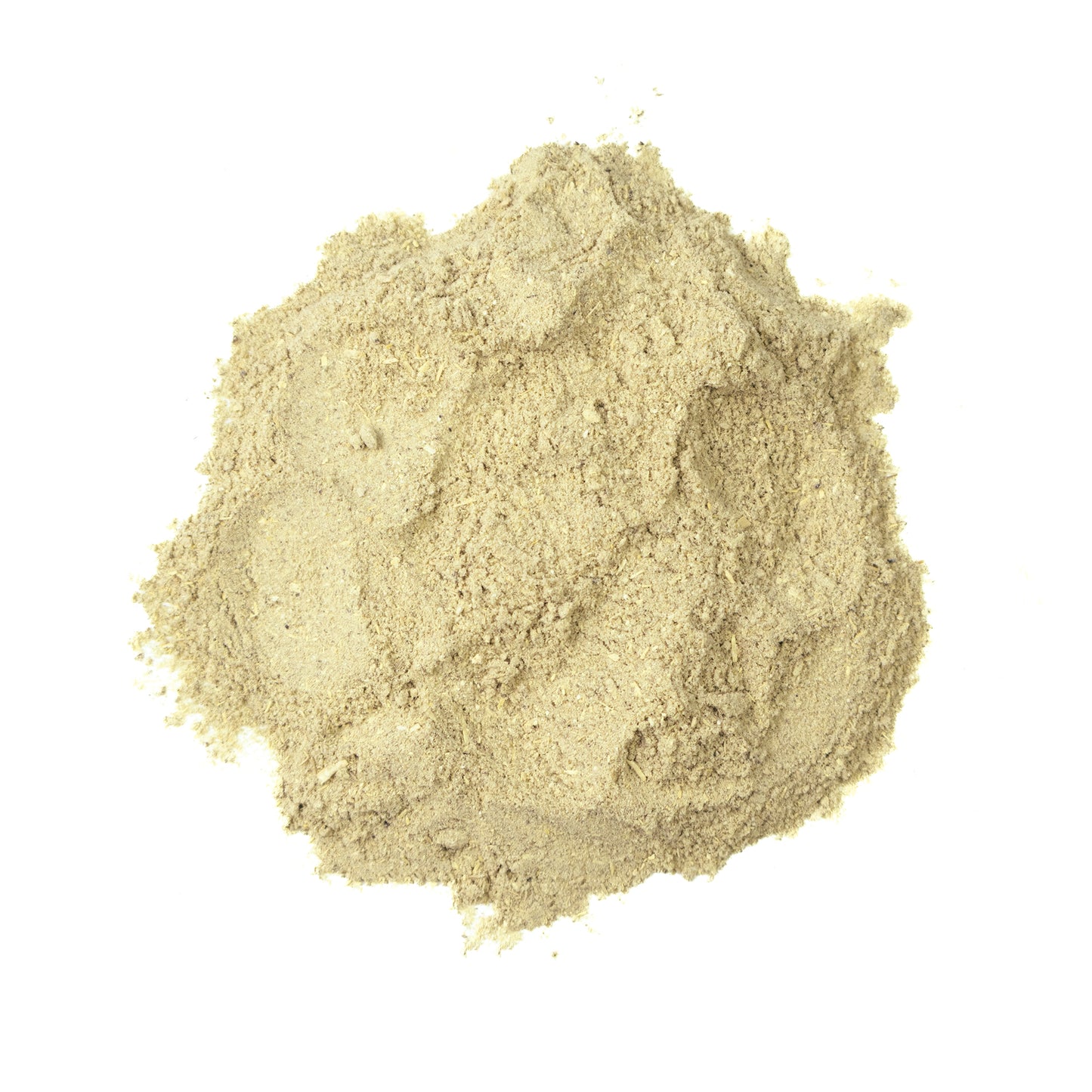
Kava
Traditionally used as a ceremonial drink in the Pacific Islands, enjoyed for its relaxing, mood enhancing and mildly intoxicating effects.
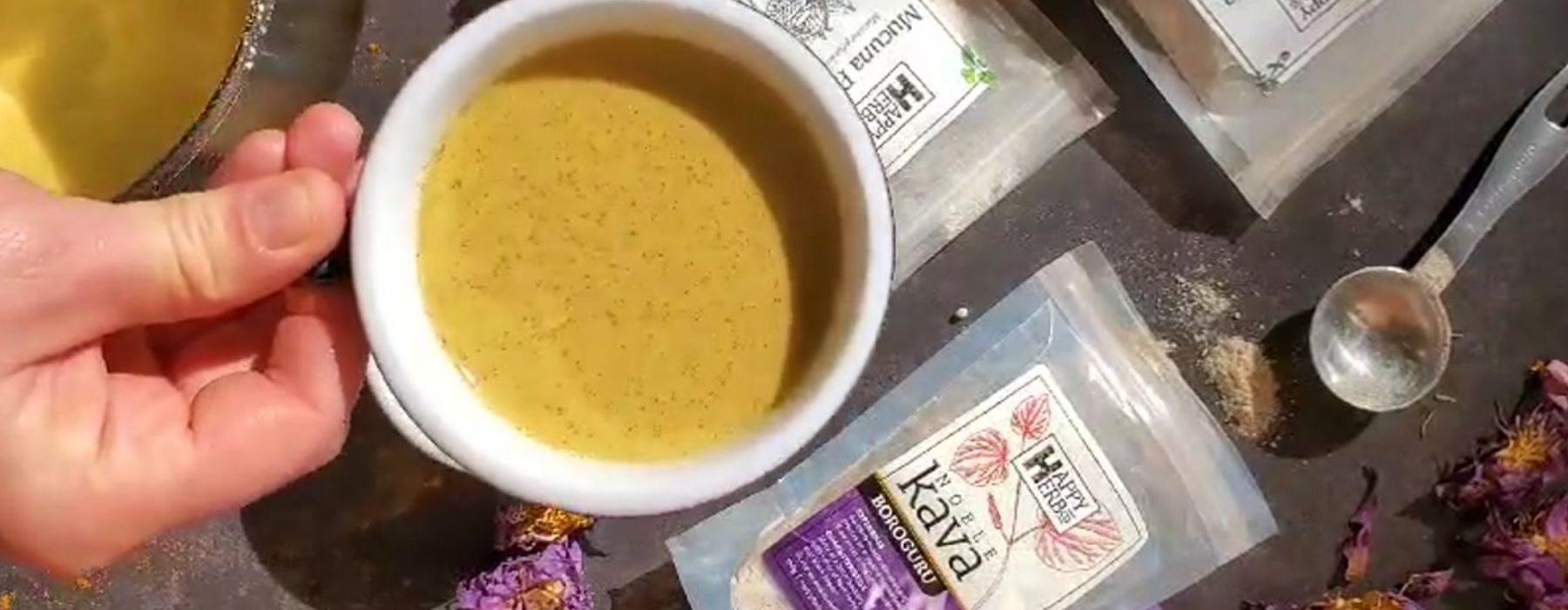
Recipes featuring Traditional Kava - Melo Melo
S
S. Great quality, nice relaxing effect. Not many serves for the price.
Hi, yes we love Melo Melo and its coming out in instant very soon, which means you only need a teaspoon, it is twice the price but it goes much further. Thanks for the review, Laura
Invalid password
Enter


