Jasmine Profile
Jasmine
Jasminum officinale
For soft openness, sensory pleasure and emotional ease.


Cart
Your cart is empty

Join us in our love of herbs
Jasmine Profile
Jasminum officinale
For soft openness, sensory pleasure and emotional ease.
Herbal Intelligence
Jasmine (Jasminum officinale) is a vigorous climbing shrub of the olive family, thought to have come from the region between Persia and northern India. Its small white flowers are intensely fragrant, and they have scented gardens, perfumes and wedding celebrations for many centuries.
The taste is delicate, sweet and floral. Most people take Jasmine as a tea, on its own or blended with Rose or green tea, and it is the herb our customers reach for when they want to soften and slow down: a quiet cup for emotional ease and simple sensory pleasure.
Jasmine has been grown for so many centuries that its first home is unknown. It is thought to have come from the region between Persia and northern India, and it grows wild from the Caucasus through the Himalayas to south-eastern China(1). The name comes from the Persian yasmin.
Its oil has been used in perfumery since Roman times(1). It was the first jasmine brought into English gardens, and it is named in William Turner's The Names of Herbes of 1548(1). In Pakistan the white jasmine is the national flower, chosen for its abundance and its place in religious ceremonies and wedding celebrations(1).
In the cup, Jasmine is best known through jasmine tea, in which Chinese green tea carries the scent of the flowers(2). The dried flowers are also steeped on their own, added to the bath and infused into oils for the skin.
Jasmine flowers (Jasminum officinale) and their essential oil contain a complex mix of aromatic compounds, such as linalool, benzyl acetate and benzyl alcohol, along with flavonoids and other phenolic constituents(3). These compounds are studied for antioxidant, mildly sedative, mood-related and antimicrobial activity, mainly in the laboratory and in small studies in people(4).
In Western herbalism Jasmine is classed as a nervine, though it is better known to perfumers and aromatherapists than to herbalists. Its place is with the senses: a flower chosen for its scent, and for the mood that scent brings.
People use it when they want to soften and slow down: a cup in the late afternoon, a pot shared with a partner, a handful of flowers in the bath. It blends well with Rose, Tulsi and Lemon Balm, and a pinch will scent a pot of green tea.
Most of the research concerns the scent, not the tea. In one small study of 24 healthy volunteers, smelling jasmine tea was followed by a slower heart rate and calmer mood scores(5). Studies of the flowers taken as a tea are lacking, and Oxford University's botanists note that there is little scientific evidence for most of Jasmine's folk uses(1). So we describe how it is used, not what it will do.
Developed and reviewed by Laura Grace, Owner and Creative Director of Happy Herb Co, Herb Educator and Registered Ayurvedic Lifestyle Consultant · Clinically reviewed by Tamara Welsh, BSc, AdvDipWHM, ATMS, Clinical Herbalist
This profile is intended as a researched educational guide and does not replace the broader perspective of a herbal consultation.
★★★★★
4.7 out of 5, from 3 reviews
I just love jasmine flower in my teas. A beautiful mild sedating feeling, with all round relaxation. A nice sweet floral flavour for teas.
Beautiful quality floral buds, fast delivery & excellent customer service
This makes a nice tea and it personally made me feel very happy. Definitely keeping this one in my herbal collection:)
In everyday life
Jasmine flowers are used in three main ways.
Jasmine suits the late afternoon and evening, whenever a quiet cup is wanted.
Scent as memory.
Open the jar and breathe in before you do anything else. Jasmine is picked at dusk, when the flowers open and the scent is strongest, and one breath can bring back a night you had forgotten.
Steep a teaspoon or two, covered so the scent stays in the cup, or add a pinch to green tea. Make it in the evening, with a window open.
Sip slowly. Scent reaches memory faster than words. What does this cup bring back, and who was there?
Shop
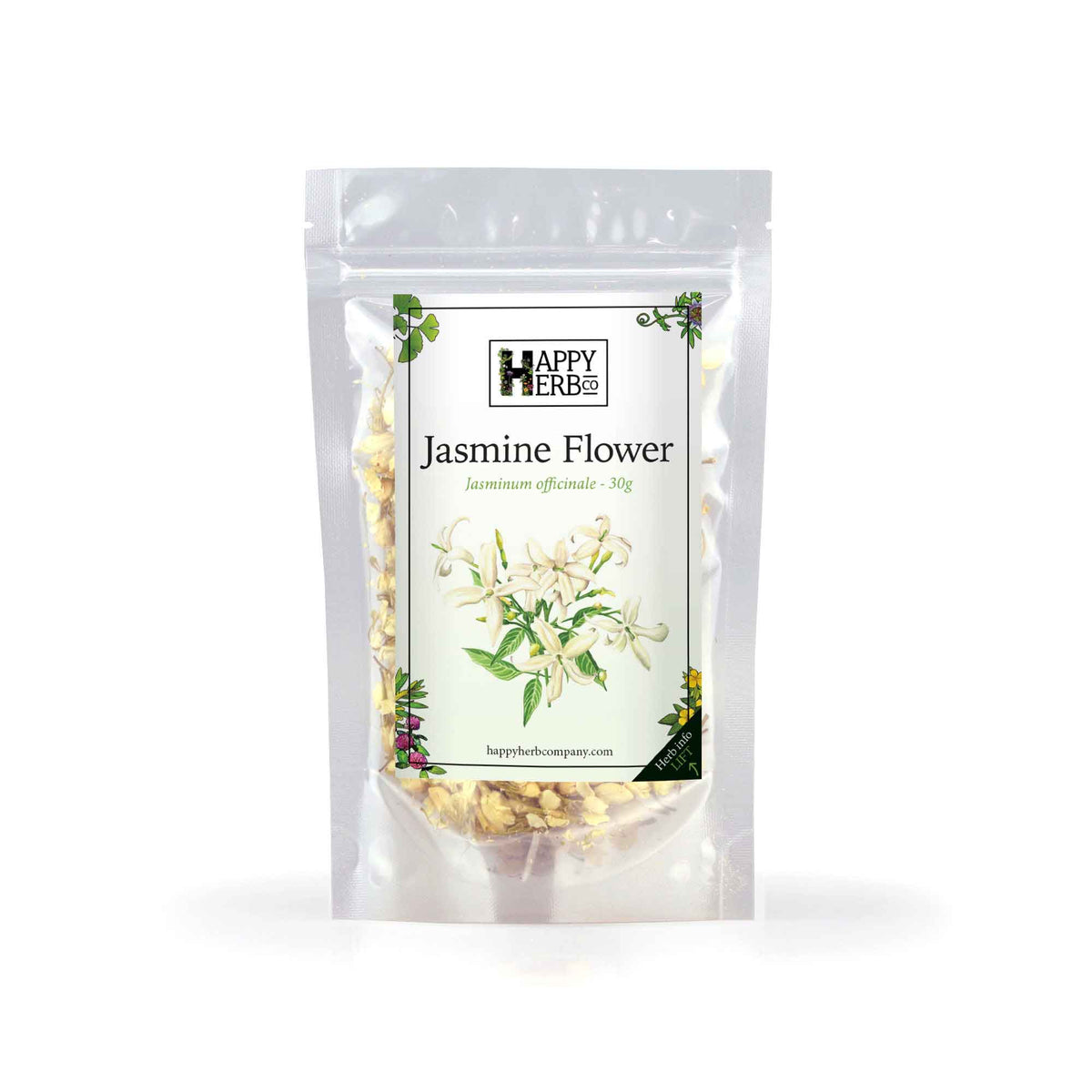

Single Herb
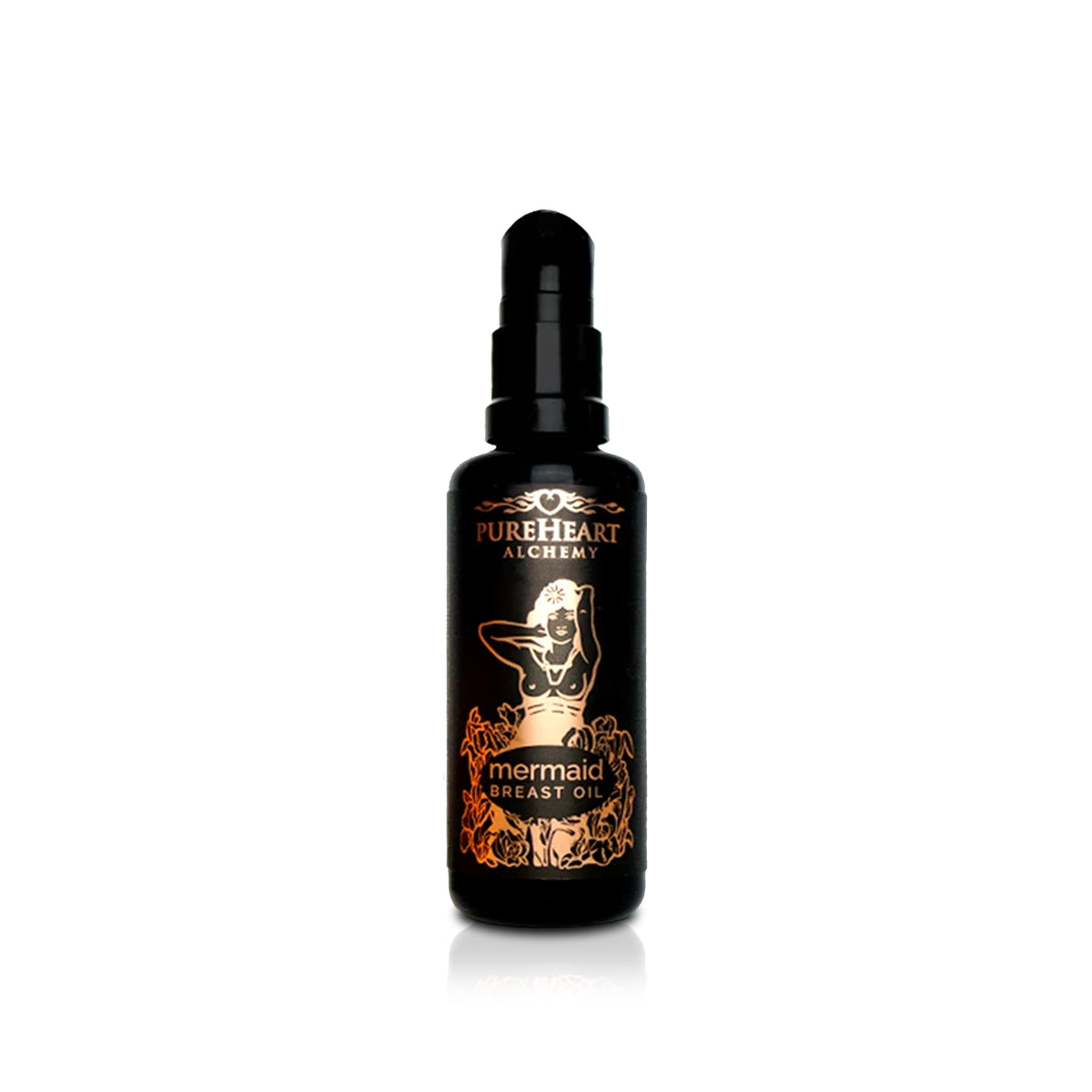
Pureheart Alchemy
Organic camellia, hemp and jojoba oils with rose otto, jasmine and sandalwood.
FAQ
Jasmine (Jasminum officinale) is a vigorous climbing shrub of the olive family, thought to have come from the region between Persia and northern India. Its intensely fragrant white flowers have been used in perfume since Roman times and are part of wedding celebrations in South Asia. Today the dried flowers of Jasmine are taken as a tea and added to the bath.
Jasmine is long associated with calm, love and sensory pleasure. Across Asia and the Middle East the flowers are used to scent tea, baths and oils, and Western herbalists class Jasmine as a nervine. Most of the research has looked at the scent in small groups of people, not at the tea, so we describe how it is used, not what it will do.
Jasmine is best known as a herb people reach for when they want to soften and slow down. Most people have a cup in the late afternoon or evening, and take a moment to breathe in the scent before drinking. Jasmine is often blended with Rose, Tulsi or Lemon Balm.
Steep 1 to 2 teaspoons of dried Jasmine flowers in a cup of just-boiled water, covered, for 10 minutes, then strain. Covering the cup keeps the scent in. Sweeten with honey to taste, or add a pinch of the flowers to green tea or Rose for a perfumed pot.
No. Jasmine flowers are naturally caffeine free, so a cup of the flowers alone can be taken in the evening. The jasmine tea sold in most shops is different: it is green tea scented with jasmine, and green tea does contain caffeine. Check the label if you want to avoid it.
Jasmine flower tea is delicate, sweet and intensely floral, with a perfume that fills the cup. On its own it is light in body, so many people blend Jasmine with Rose, Lemon Balm or green tea and add a little honey.
Jasmine is not recommended during pregnancy. Jasmine flower tea has been little studied in people, so there is not much published information on its safety. If you take medication or have a health condition, check with your health professional first.
Jasmine is not recommended during pregnancy.
This herb has not been studied enough for its actions to be defined. What we know of it comes from tradition and the sources below.