Rose Profile
Rose
Rosa spp.
For heart opening, mood elevation and sensual presence.


Cart
Your cart is empty

Join us in our love of herbs
Rose Profile
Rosa spp.
For heart opening, mood elevation and sensual presence.
Herbal Intelligence
Rose (Rosa species) is a prickly, woody shrub of the rose family. The fragrant kinds used in herbalism, chief among them the Damask rose (Rosa damascena), come from western Asia and the Middle East, and their petals and buds have been valued for about five thousand years.
The taste is floral and delicate, with a light astringency. Most people take Rose as a tea, on its own or scattered through a blend, and it is the herb our customers reach for when the heart wants looking after: in times of love, loss or plain weariness.
Roses have been known to people for about five thousand years. The earliest records are Mesopotamian clay tablets, and Assyrian tablets speak of both the rose and rose water(1). In the first century the Greek physician Dioscorides and the Roman naturalist Pliny the Elder both described the flower as astringent and useful in medicine(1).
Persia made the rose its own. The Damask rose is known in Iran as Gol-e-Mohammadi, the flower of the Prophet Mohammad, and the extraction of its oil began there in the seventh century(2). Rose water, golab, is still used in religious ceremonies, including the washing of the Kaaba in Mecca(2), and is scattered at weddings(3).
In Europe the apothecary rose, first recorded in the thirteenth century, supported a large French industry that made it into jellies, powders and oils(1).
Rose petals contain tannins, which give the tea its light astringency, along with flavonoids such as kaempferol and quercetin glycosides, anthocyanins, the pigments behind the colour, and vitamin C(1). The scent comes from the essential oil, whose main components are citronellol and geraniol(2). Most published research concerns the Damask rose and its oil, not the petal tea(2).
In Western herbalism Rose is classed as a gentle nervine and an astringent: a flower for the heart and the mood, and a mild toner for the mouth and skin. A pinch of petals goes into blends with Hawthorn, Damiana or Lemon Balm, where it brings scent, colour and a sense of occasion.
People use it at tender times, in the days around a period, and whenever a cup or a bath ought to feel like a kindness. In Ayurveda rosebuds are regarded as astringent and as a tonic for the heart(1).
The European Medicines Agency accepts Rose flower as a traditional herbal medicine, used as a mouth rinse and on the skin, on the strength of long use(1). It found no clinical studies of two of the three medicinal roses, and only a small one of the third(1). So we describe how it is used, not what it will do.
Developed and reviewed by Laura Grace, Owner and Creative Director of Happy Herb Co, Herb Educator and Registered Ayurvedic Lifestyle Consultant · Clinically reviewed by Tamara Welsh, BSc, AdvDipWHM, ATMS, Clinical Herbalist
This profile is intended as a researched educational guide and does not replace the broader perspective of a herbal consultation.
In everyday life
Rose petals and buds are used in four main ways.
Rose can be enjoyed every day.
Open-handed.
Hold a dried bud and look at how tightly it is folded. Then open a jar of petals and breathe. Rose has been the flower of lovers, poets and apothecaries in every culture that has grown it.
Steep a teaspoon or two of petals, covered, for ten minutes, or add a few to any blend. Or make a strong pot, let it cool, and use it on your face and hands.
Sip slowly. A rose gives its scent away without being asked. What could you give more freely?
In the Botanical Guides
Shop


Single Herb
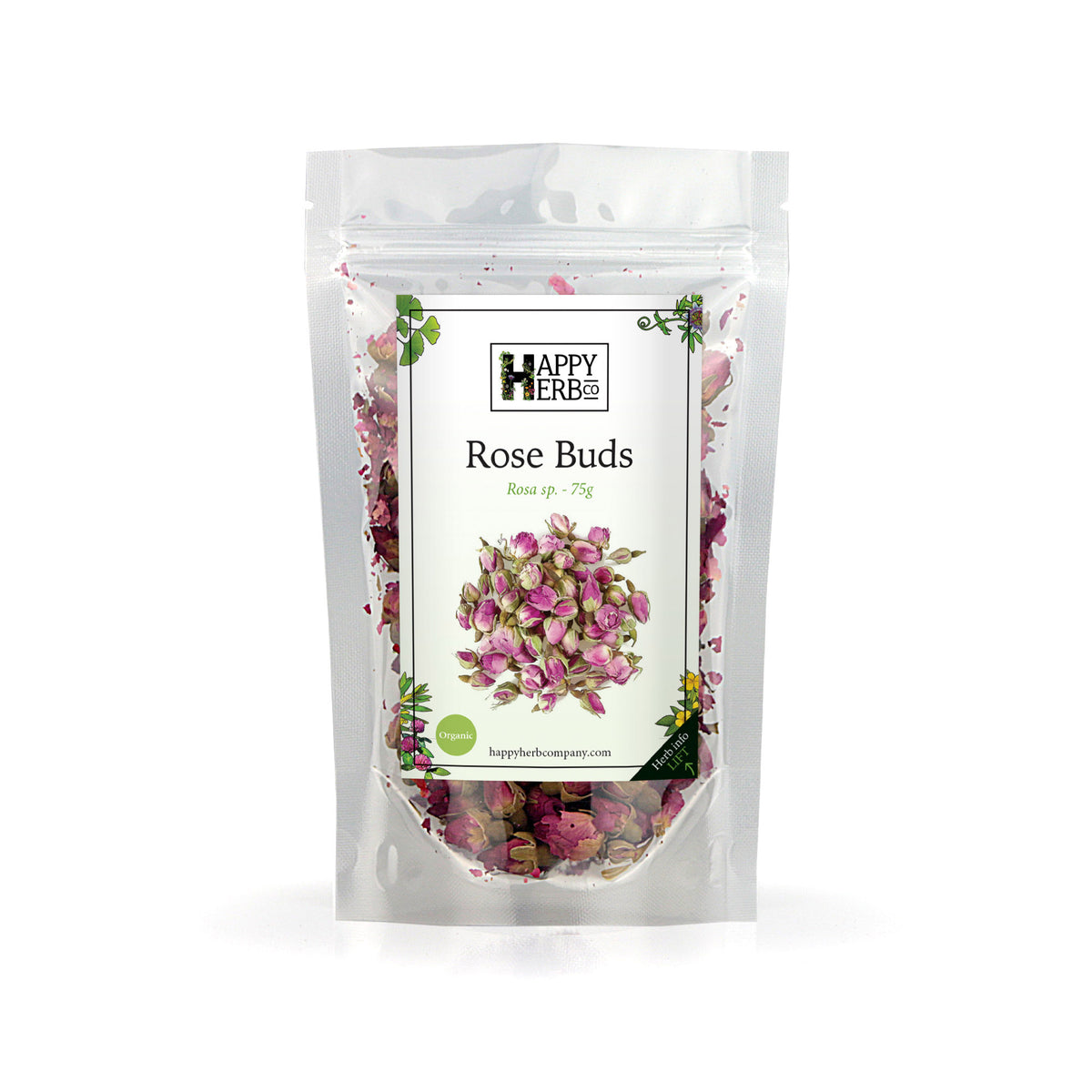
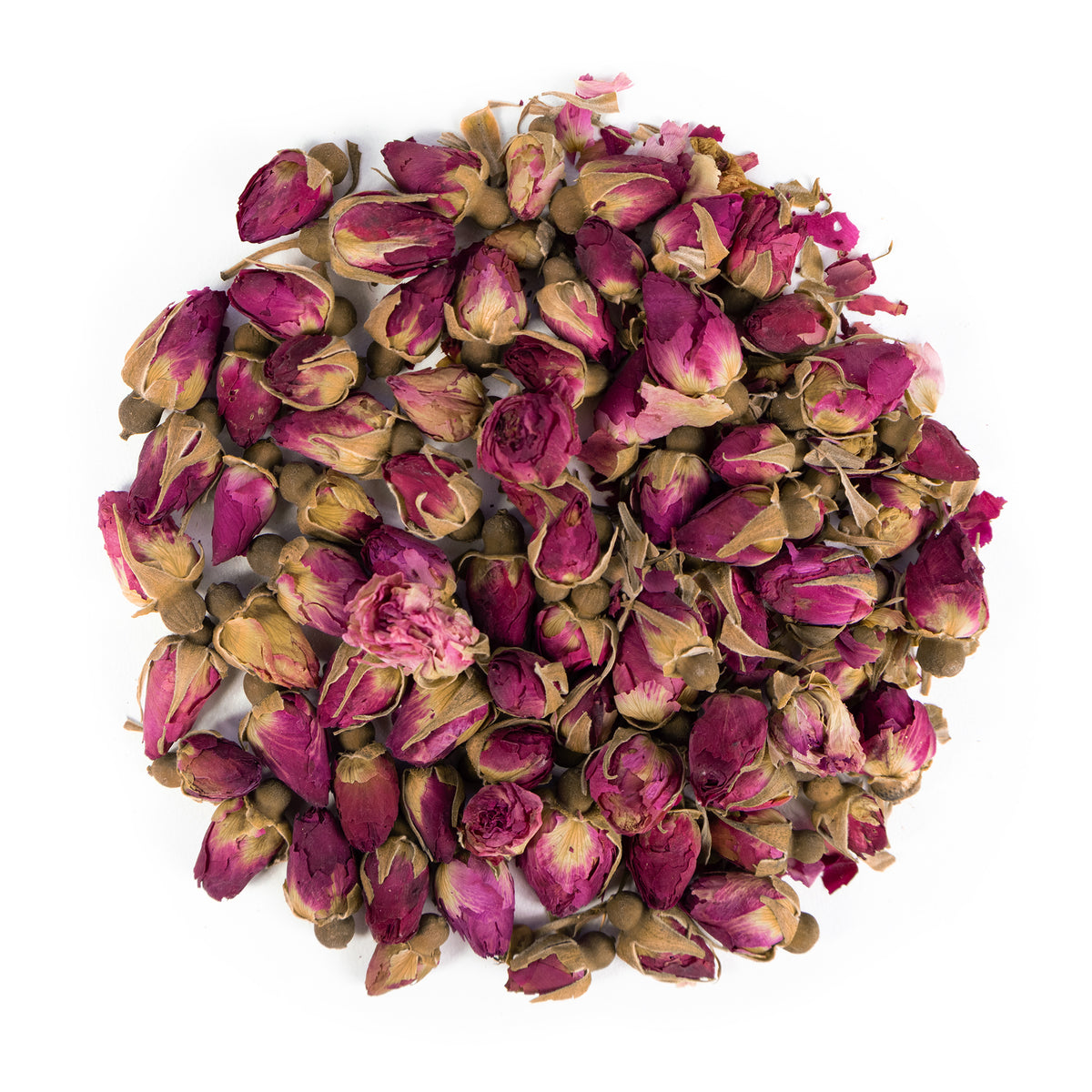
Single Herb


Milled Blend
Sample sizes of any of the hand crafted milled herb blends.
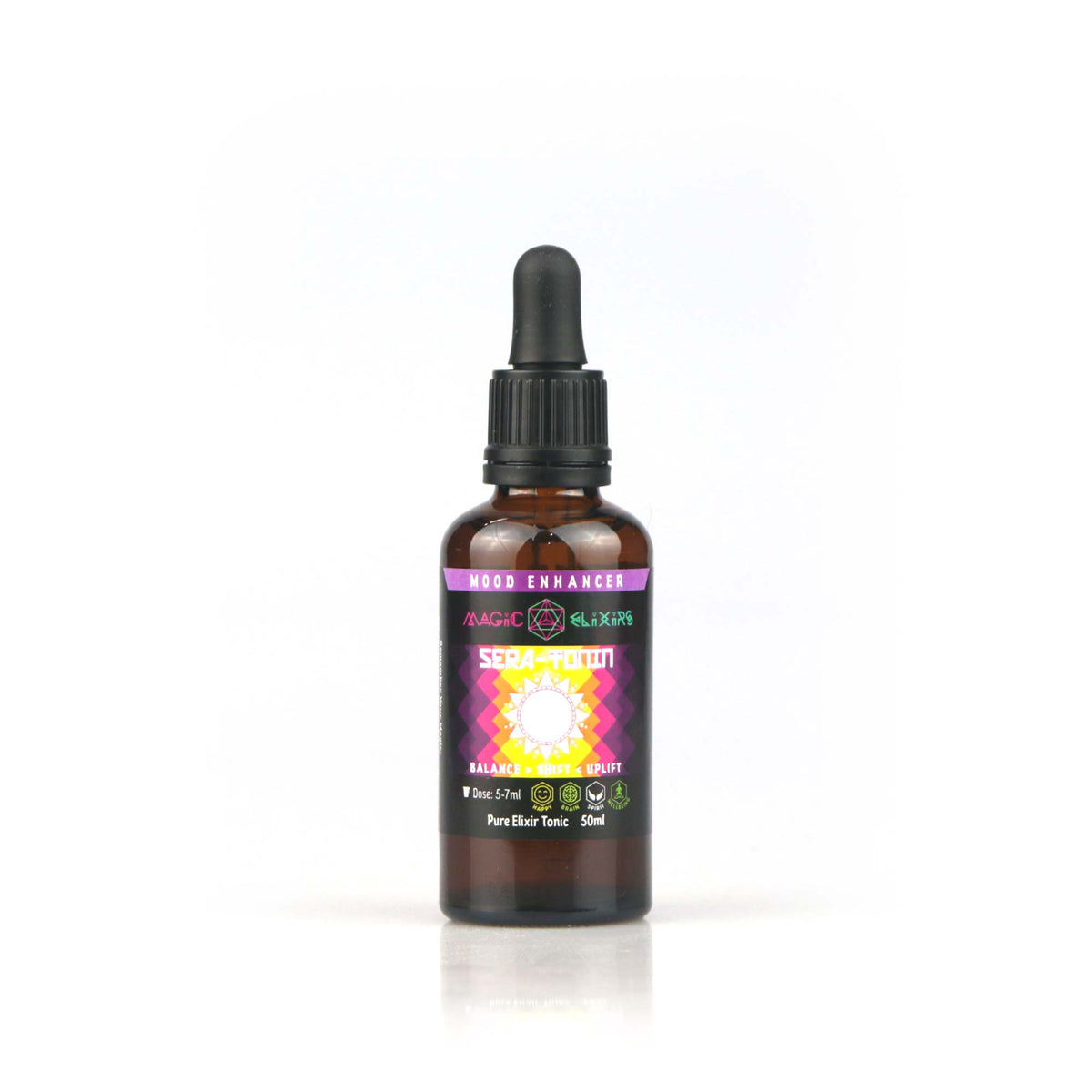
Magic Elixirs
Happiness bark, St John's wort, rose, muira puama and kola nut in an elixir.
FAQ
Rose (Rosa species) is a prickly, woody shrub of the rose family. The fragrant kinds used in herbalism, such as the Damask rose (Rosa damascena), come from western Asia and the Middle East, and their petals and buds have been valued for about five thousand years. Today Rose is taken as a tea, added to blends and used in the bath.
Rose is long associated with love, the heart and a lifted mood. In Persian tradition rose water is part of weddings and religious ceremonies, Ayurveda regards rosebuds as a tonic for the heart, and Western herbalists class Rose as a gentle nervine and an astringent. Clinical research on Rose petals is slight, so we describe how it is used, not what it will do.
Rose is best known as a herb people reach for when they want comfort and a gentle lift. Most people have a cup of Rose tea at tender times: after a hard day, around a period, or with someone they love. It is often blended with Hawthorn, Damiana or Lemon Balm.
Steep 1 to 2 teaspoons of dried Rose petals or buds in a cup of just-boiled water, covered, for 10 minutes, then strain. Covering the cup keeps the scent in. The flavour is floral and delicate, with a light astringency. Sweeten with honey to taste.
No. Rose is naturally caffeine free, so a tea of Rose petals or buds can be drunk at any time of day, including the evening. Rose-scented black and green teas are a different thing: they do contain caffeine from the tea leaf, so check the label of blended teas.
Yes. Dried Rose petals are smoked in some herbal blends, including our milled herb blends, where they add a light, floral note. Rose is far better known as a tea, a scent and a bath flower, and there is little written history of smoking it.
Inhaling smoke is harmful; we describe how the herb is used, we do not suggest it. Most people prefer to enjoy Rose as a tea.
Rose is not recommended for internal use during pregnancy or breastfeeding, because its safety at those times has not been established. The European Medicines Agency takes the same view, and advises Rose flower preparations for adults and adolescents only. If you take medication or have a health condition, check with your health professional first.
Safety during pregnancy and lactation has not been established. In the absence of sufficient data, the use during pregnancy and lactation is not recommended for internal use.
As described in the monographs cited under Sources.