Marijuanilla (Siberian Motherwort) Profile
Marijuanilla (Siberian Motherwort)
Leonurus sibiricus
For calm nerves, evening rituals and gentle relaxation.


Cart
Your cart is empty

Join us in our love of herbs
Marijuanilla (Siberian Motherwort) Profile
Leonurus sibiricus
For calm nerves, evening rituals and gentle relaxation.
Herbal Intelligence
Marijuanilla (Leonurus sibiricus), also known as Siberian Motherwort, is a tall, leafy herb of the mint family, native to Siberia, Mongolia and China. Its Spanish name means 'little marijuana' and comes from Mexico, where the plant was introduced. Despite the name, it is not related to cannabis.
The taste is mild and earthy, with a little bitterness. Most people take Marijuanilla as a tea or in a milled herb blend, and it is the herb our customers reach for in the evening, when they want to unwind gently.
Marijuanilla grows across southern Siberia, China, Korea, Japan and Vietnam, where it is known simply as motherwort(1). Plants of this genus have a long history in East Asia as women's herbs, and in Europe as herbs for calm(2).
Its other name is Mexican. The plant was introduced to Mexico and became known there as marihuanilla, Spanish for 'little marijuana'(1). The leaves are picked from the flowering plant, dried and smoked, and the effect is described as mild(1).
The name needs some care. Leonurus sibiricus and its close relative Leonurus japonicus are often taken for the same plant, and botanists warn that some of what has been written about one may really describe the other(3).
Marijuanilla contains alkaloids, flavonoids, iridoids, phenylpropanoid glycosides and labdane diterpenoids(1). A 2018 review of the genus counted 259 compounds, 147 of them labdane diterpenoids, and found that most laboratory work has concentrated on just two alkaloids, leonurine and stachydrine(2). Some studies may have used wrongly identified plants, so the chemistry of this species is less settled than it looks(3).
In Western herbalism the motherworts are classed as nervines and bitter tonics, and Marijuanilla is used in that way: a mild, earthy leaf for the end of the day.
People take it in the evening, as a cup of tea or in a milled herb blend, on its own or with Skullcap, Passionflower or Lemon Balm. For some it is part of habit shifting, a gentler ritual to close the day.
Research is at an early stage and nearly all of it is laboratory work on single compounds, not on the whole herb(2). We found no clinical trials of Marijuanilla in people. So we describe how it is used, not what it will do.
Developed and reviewed by Laura Grace, Owner and Creative Director of Happy Herb Co, Herb Educator and Registered Ayurvedic Lifestyle Consultant · Clinically reviewed by Tamara Welsh, BSc, AdvDipWHM, ATMS, Clinical Herbalist
This profile is intended as a researched educational guide and does not replace the broader perspective of a herbal consultation.
In everyday life
Marijuanilla is used in two main ways.
Marijuanilla is mostly an evening herb, used now and then.
The gentler cousin.
Hold the dried leaf, soft and unremarkable. Siberian motherwort grows as a roadside weed from Russia to Mexico, and in Mexico it earned a nickname that promises more than it delivers.
Steep a teaspoon or two for ten minutes with a little lemon balm and honey, in the evening, now and then rather than every night.
Sip slowly. Not every plant with a famous name needs to live up to it. What expectation could you set down tonight?
Shop
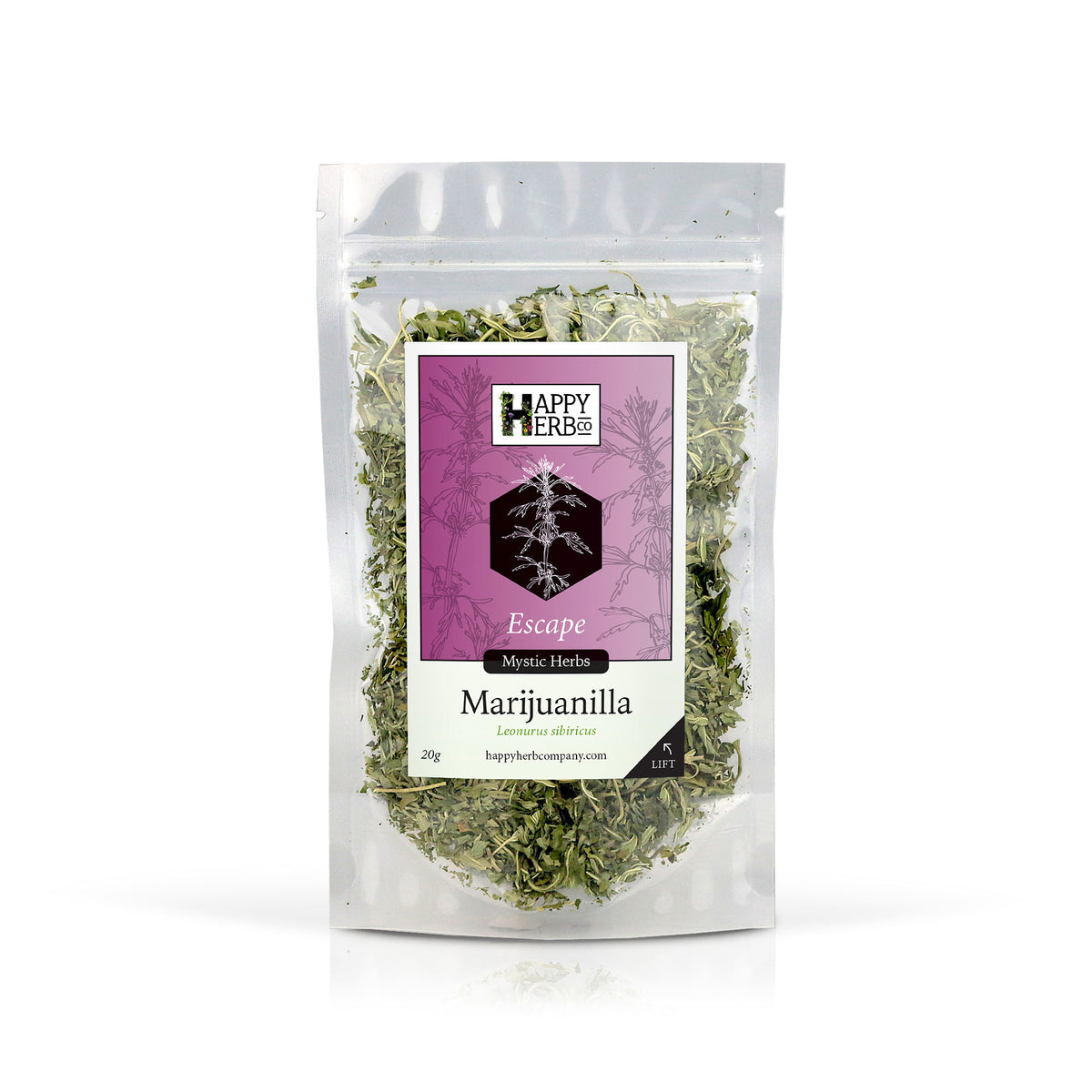
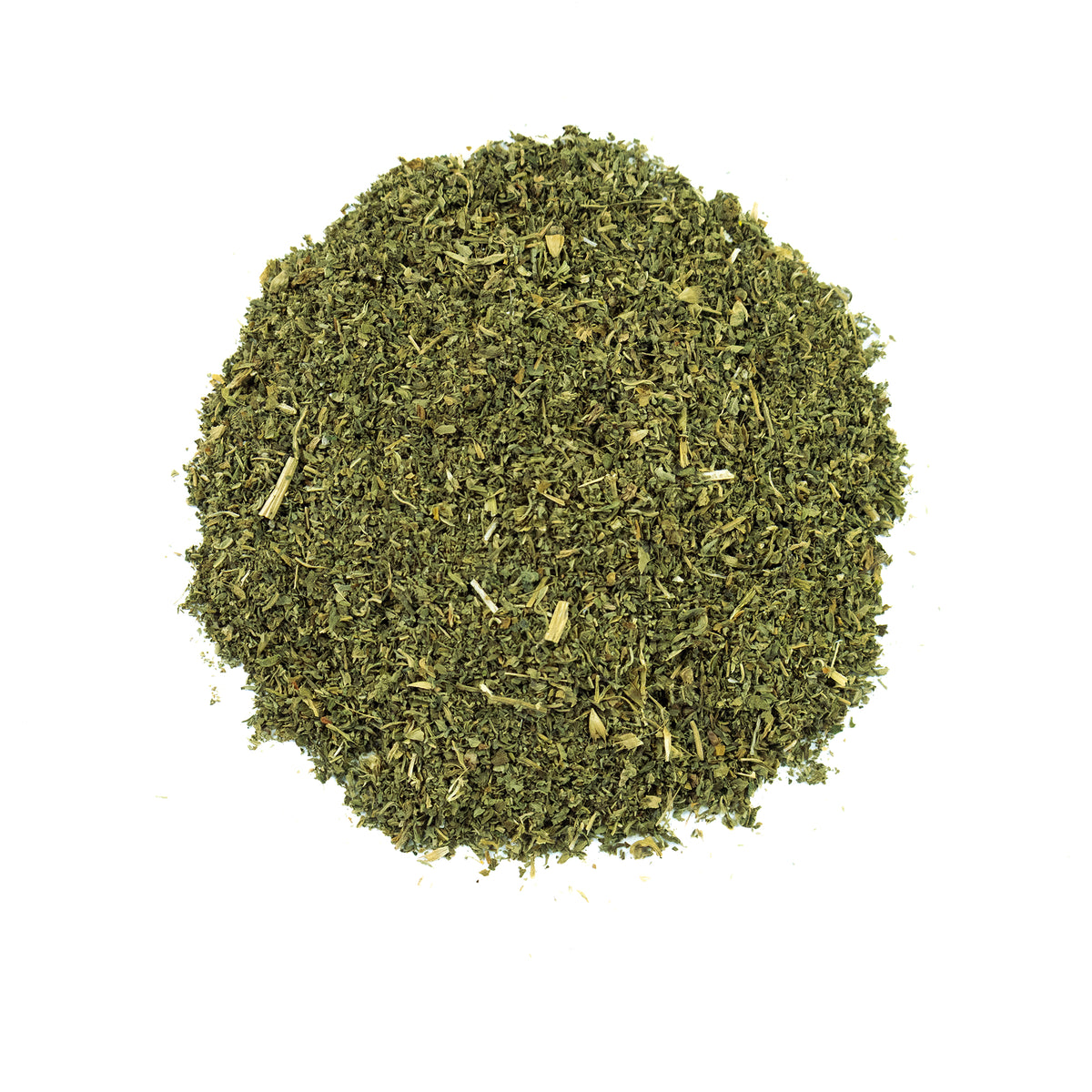
Mystic Herb
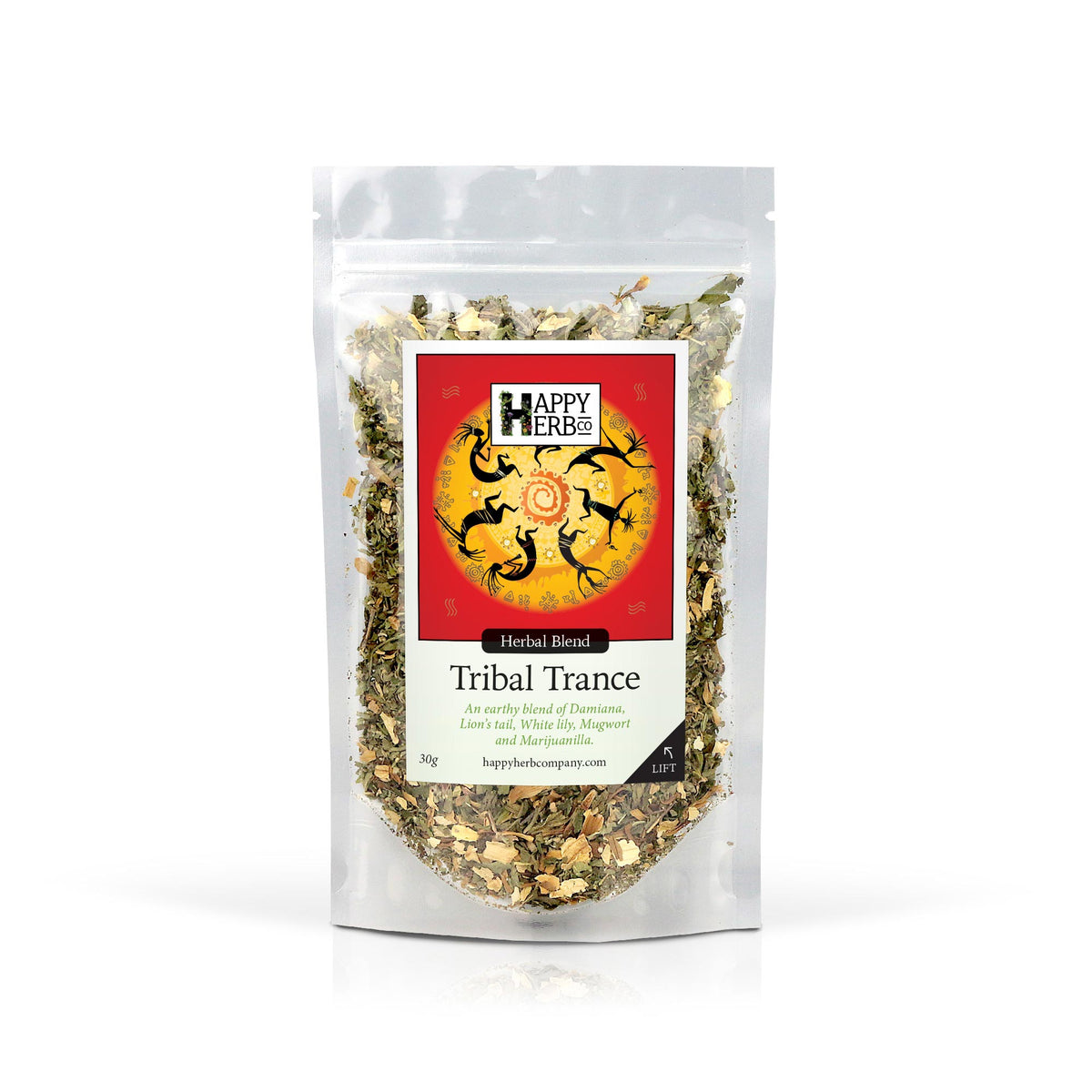
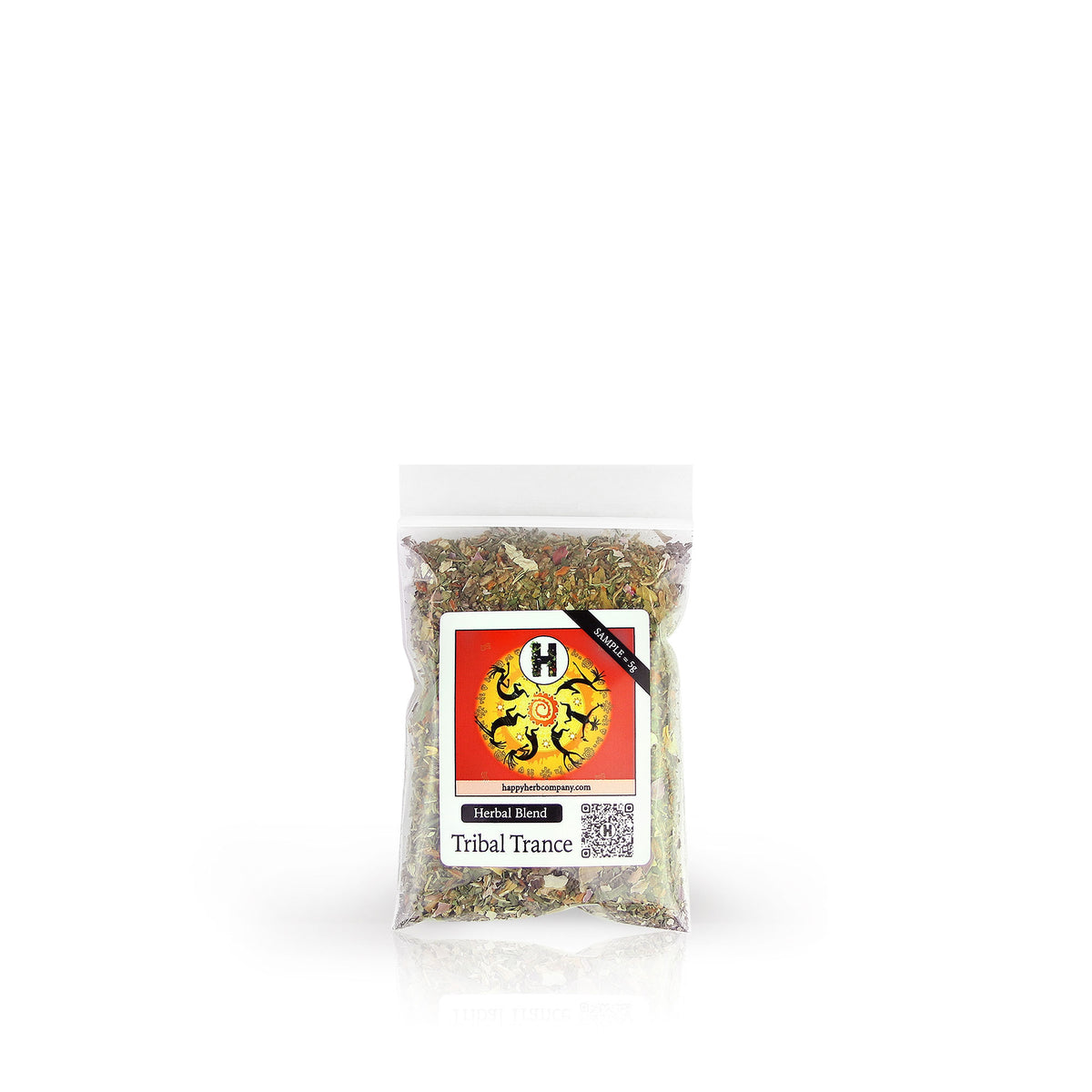
Milled Blend
A bold milled blend of damiana, lion's tail, mugwort and white lily.
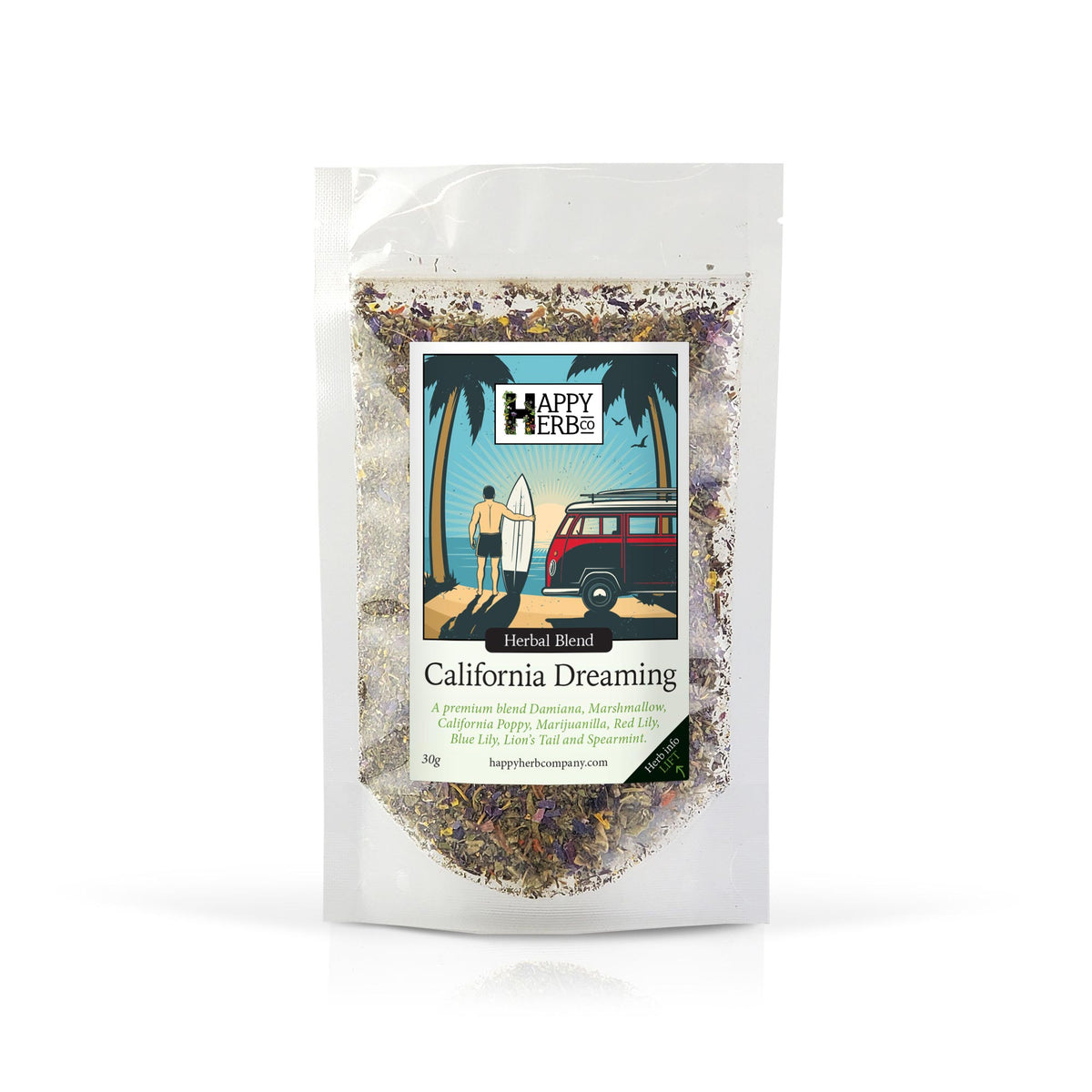
Milled Blend
A dreamy evening milled blend with California poppy, blue lily and mullein.


Milled Blend
Sample sizes of any of the hand crafted milled herb blends.
FAQ
Marijuanilla (Leonurus sibiricus), also known as Siberian Motherwort, is a leafy herb of the mint family, native to Siberia, Mongolia and China. Its Spanish name means 'little marijuana' and comes from Mexico, where the plant was introduced. Despite the name, Marijuanilla is not related to cannabis. Today it is taken as a tea and used in milled herb blends.
Marijuanilla is long associated with calm evenings and gentle relaxation. In East Asia plants of its genus are used as women's herbs, in Mexico the dried leaf is smoked, and Western herbalists class the motherworts as nervines. Research is nearly all laboratory work, with no clinical trials that we could find, so we describe how it is used, not what it will do.
Marijuanilla is best known as a herb people reach for when they want to unwind gently at the end of the day. Most people have a cup of the tea in the evening, or use it in a milled herb blend, now and then. It is often paired with Skullcap, Passionflower or Lemon Balm.
Steep 1 to 2 teaspoons of dried Marijuanilla in a cup of just-boiled water, covered, for 10 minutes, then strain. The flavour is mild and earthy, with a little bitterness. Add honey to taste, or blend it with Lemon Balm.
No. Marijuanilla is naturally caffeine free, so the tea suits the evening. It is a herb of the mint family and is not related to tea or coffee, or to cannabis, whatever the name suggests. It is often blended with other caffeine-free herbs such as Lemon Balm and Passionflower.
Yes. In Mexico the leaves are picked from the flowering plant, dried and smoked, which is how it came by the name marihuanilla, 'little marijuana'. It is one of the leaves in our milled herb blends, chosen for its mild, soft character.
Inhaling smoke is harmful; we describe how the herb is used, we do not suggest it. Many people prefer to enjoy Marijuanilla as a tea.
Avoid Marijuanilla during pregnancy. Plants of the motherwort genus have long been used in East Asia as women's herbs, and a 2018 review of the genus notes their action on the uterus, which is the reason for the caution. If you take medication or have a health condition, check with your health professional first.
Avoid in pregnancy.
As described in the monographs cited under Sources.