Catnip Profile
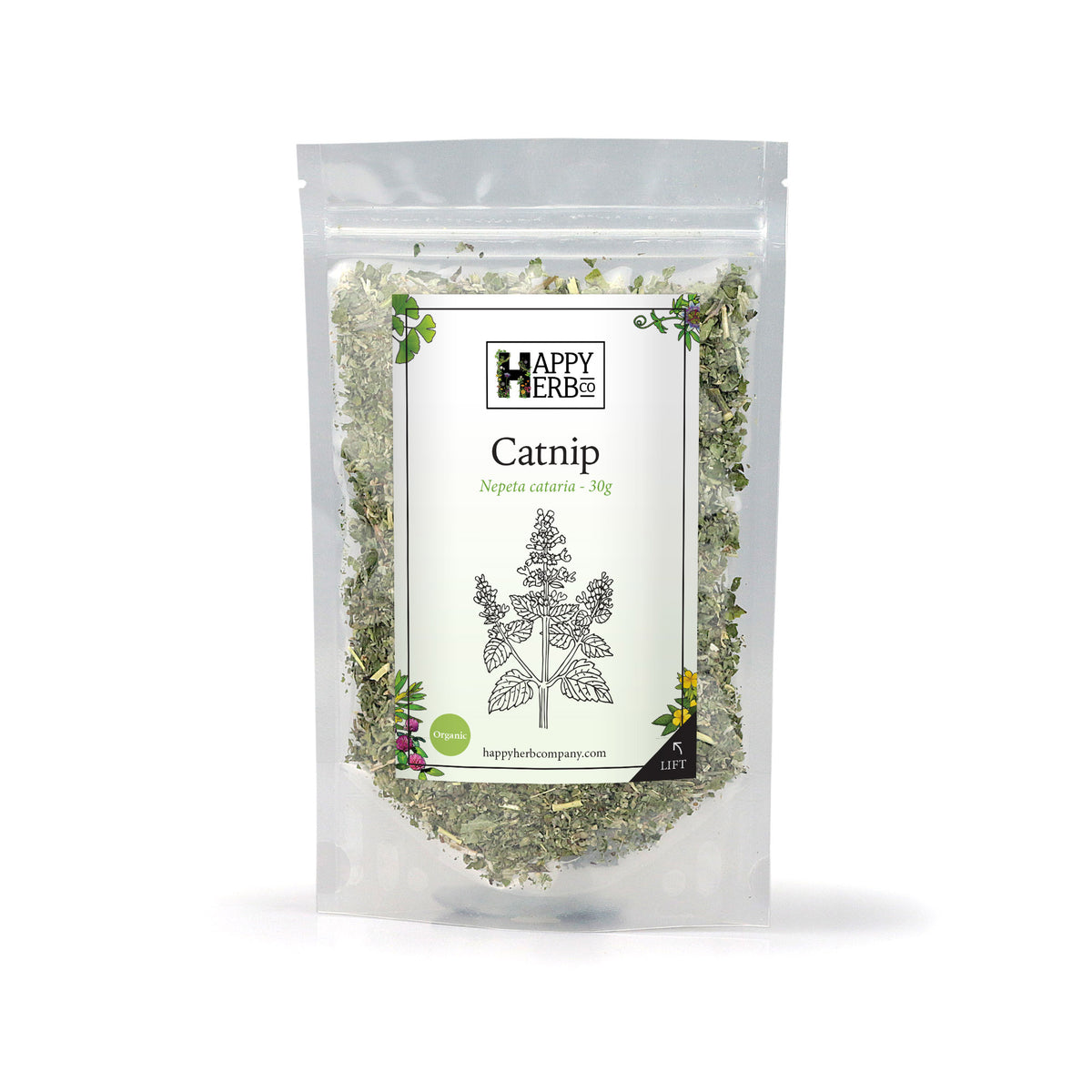
Catnip
Nepeta cataria
For quiet ease, in-the-moment calm and gentle settling.


Cart
Your cart is empty

Join us in our love of herbs
Catnip Profile
Nepeta cataria
For quiet ease, in-the-moment calm and gentle settling.
Herbal Intelligence
Catnip (Nepeta cataria) is a soft, grey-green perennial of the mint family, native to Europe and Asia. It is best known for the effect it has on cats, but its leaves and flowering tops have been brewed as a household tea for centuries.
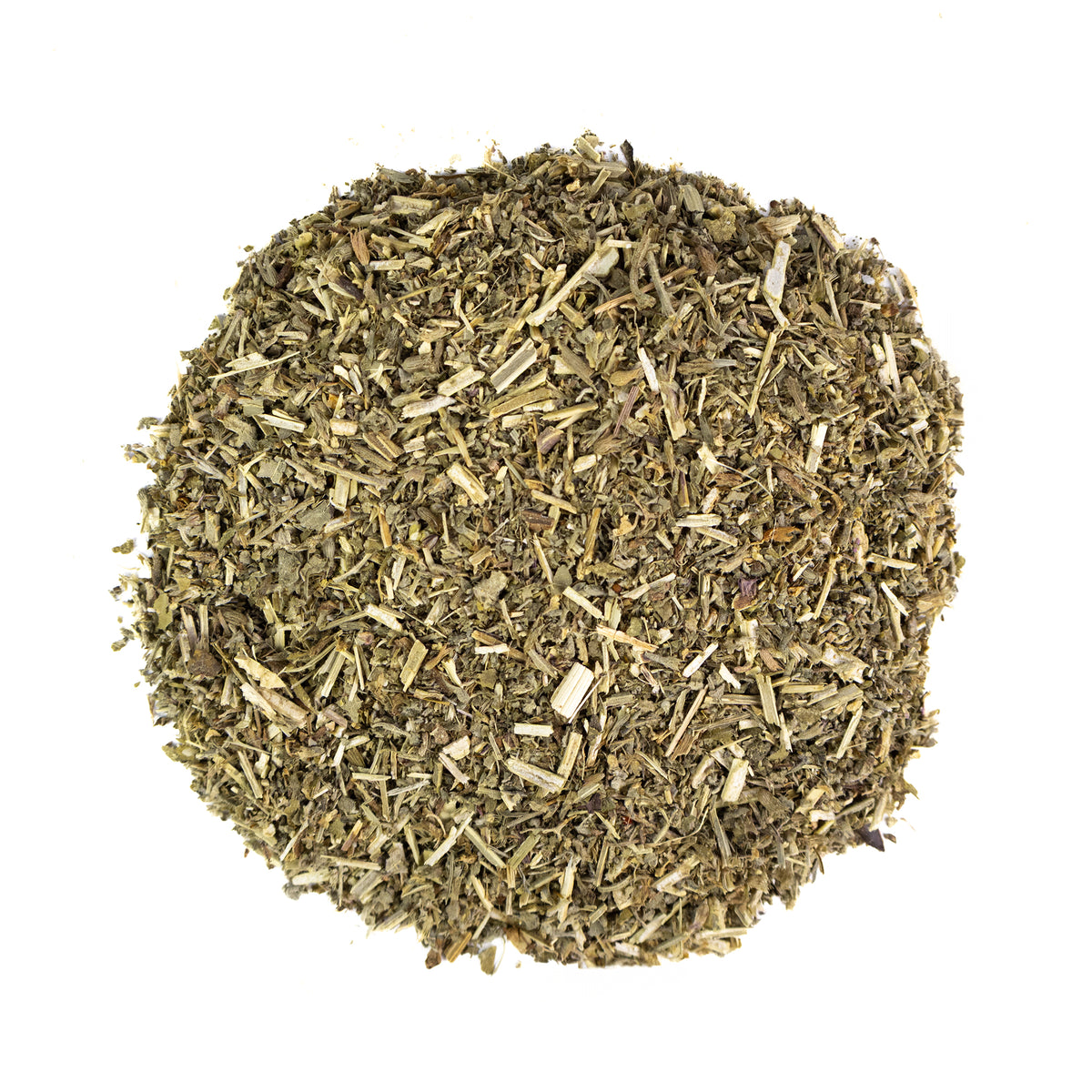
The taste is mild, minty and a little earthy. Most people take Catnip as a tea, and the dried leaf is also a soft layer in milled herb blends. It is the herb our customers reach for when they want a quiet, settled hour at the end of the day.
Catnip is a European plant that has travelled. It is now naturalised across North America and temperate Asia, and it goes by three names, Catnip, Catmint and Catnep, which all say the same thing about who likes it most(1).
In Europe it was a kitchen and household herb, and Catnip tea is recorded in the General Irish Herbal of 1735. The French seasoned food with the young leaves and shoots, the leaves went into soups and sauces, and a tea of the leaves was the cup taken before sleep(2).
In North America it was taken up by First Nations peoples. The Chippewa brewed the leaves as a tea, the Iroquois and Cherokee kept the plant among their household remedies, and the Shinnecock smoked the dried leaves(2). It is still used in much the same way: a mild evening tea for people, and a favourite of cats.
Catnip leaf and flowering tops contain volatile oils, most notably nepetalactones, along with iridoids, flavonoids and other phenolic compounds(2). Laboratory studies have looked at these constituents for their effects on the nervous system and on smooth muscle(3).
In Western herbalism Catnip is classed as a gentle nervine and a carminative: one of the mild, aromatic mint-family herbs chosen for settling. Herbalists often pair it with Chamomile, Lemon Balm or Passionflower in evening teas.
For many people Catnip belongs to the quiet end of the day: a cup after dinner, or a pot shared before bed. For some it is part of habit shifting, a tea or a milled herb blend in place of an older evening habit.
Research on Catnip is thin. Laboratory work has centred on nepetalactone and the plant's other aromatic compounds(2), and a university review of the literature found no clinical trials in people(1). Most of what is known comes from long household use, so we describe how it is used, not what it will do.
Developed and reviewed by Laura Grace, Owner and Creative Director of Happy Herb Co, Herb Educator and Registered Ayurvedic Lifestyle Consultant · Clinically reviewed by Tamara Welsh, BSc, AdvDipWHM, ATMS, Clinical Herbalist
This profile is intended as a researched educational guide and does not replace the broader perspective of a herbal consultation.
★★★★★
4.9 out of 5, from 21 reviews
Nice to smoke very relaxing feeling
Thank you Mal! Happy to hear you are loving our Catnip.
I have bought catnip products from pet stores, Amazon, lots of places and my cats weren't impressed.
But I found Happy Herb while I was searching online recently, and I ordered some Catnip, and my cats went crazy for it.
I have one cat "Frankie" that gets quite stressed when I take him to the vets so now, I sprinkle a little catnip in his cat carrier, and it seems settle him which is great.
So, I will be buying more. Great product.
I tried this one on a lark, it is very fine and I needed to use quite a lot so it didn’t last long but for those few days a gorgeous black Cat with HUGE yellow eyes that I’d never seen before hung round in my backyard, coincidence?
Wow thats an interesting review of catnip. Thanks Laura
How can I use the herbs without.smoking them? And what ways can the catnip be used for my cat?
Hi, the instructions are on the base label, you will see on the corener of the label a lift tab, this reveals an label inderneath with heaps of info and a QR code to learn more. Catnip makes a great tea and if you want to use it with your cat you can get creative, rub it on their toys or leave a pile out for them to play with and roll around in. Thanks, enjoy Laura
Very nice product for me and the dog!
In everyday life
Catnip leaf and flower are used in three main ways.
Catnip is a now-and-then herb, most often taken in the evening.
Soft and unbothered.
Crush a leaf and smell it, minty with something green underneath. The same scent that sends a cat rolling across the floor is, for us, simply mild and calming.
Steep a teaspoon or two for a quarter of an hour, with honey or lemon balm. Make it in the late afternoon, in the gap between the day's work and the evening.
Sip slowly. A cat does not apologise for resting in the sun. Where could you take your ease today without explaining it?
In the Botanical Guides
Shop
Single Herb

Milled Blend


Milled Blend
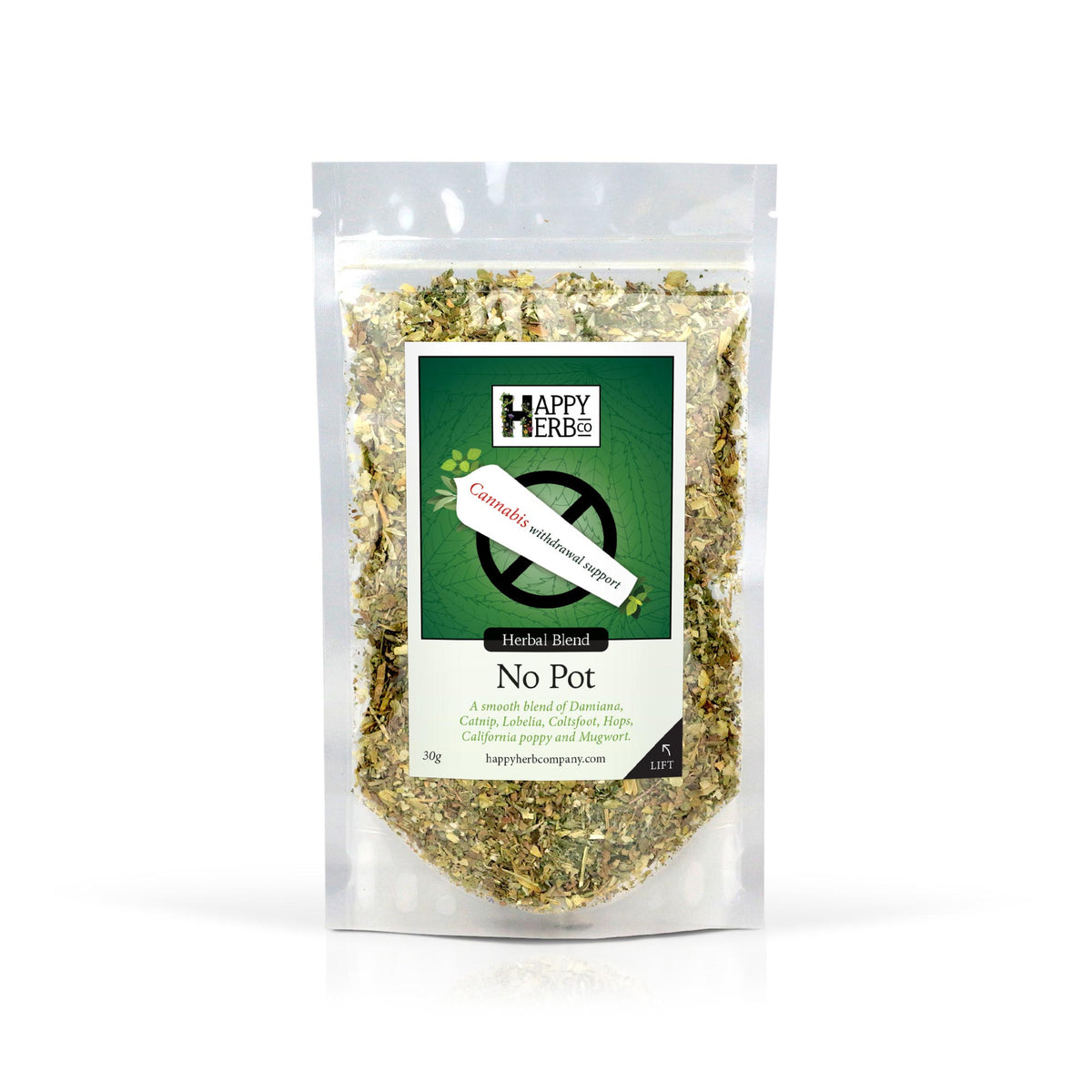
A milled base of damiana, catnip, rosemary, hops and mugwort for mixing.
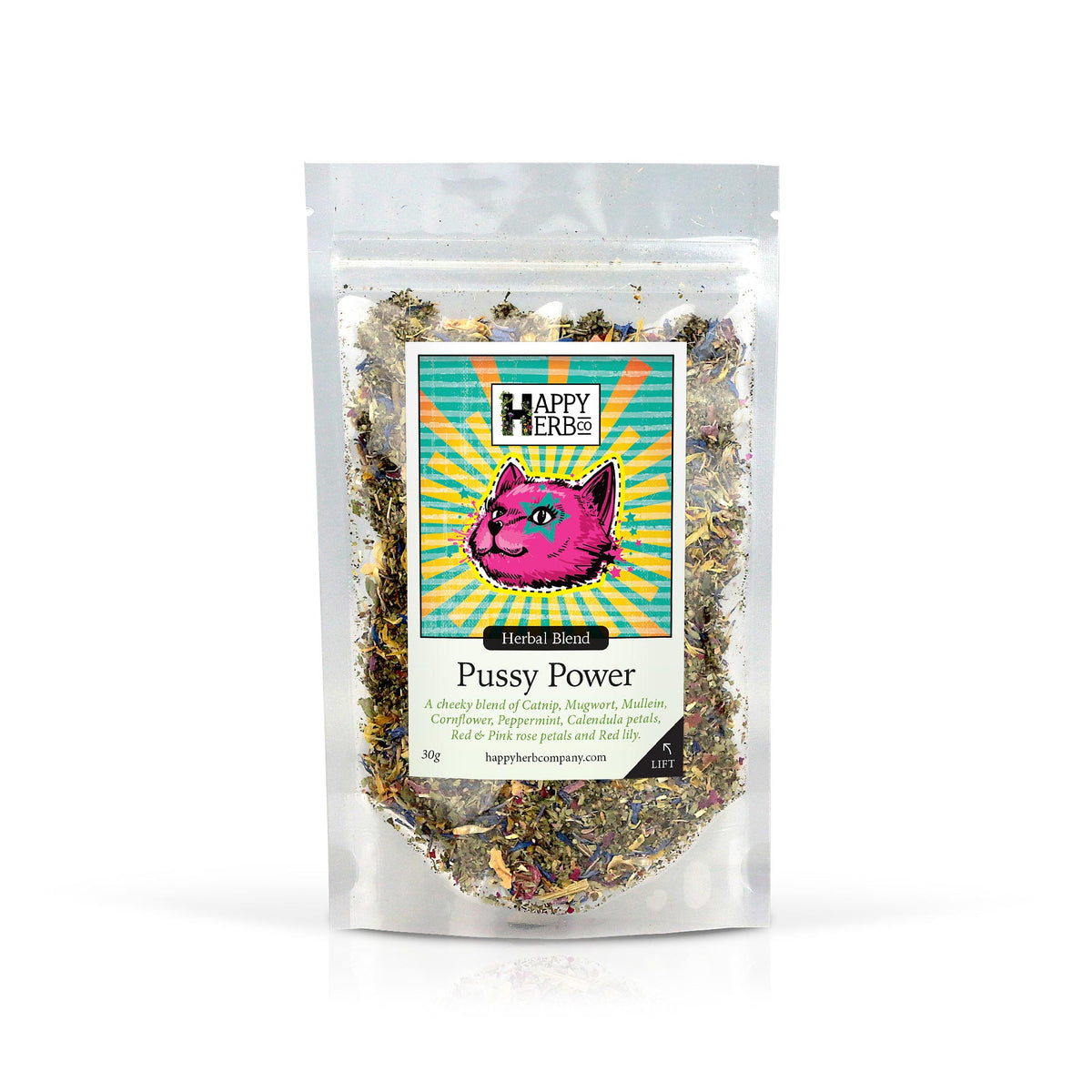
Milled Blend
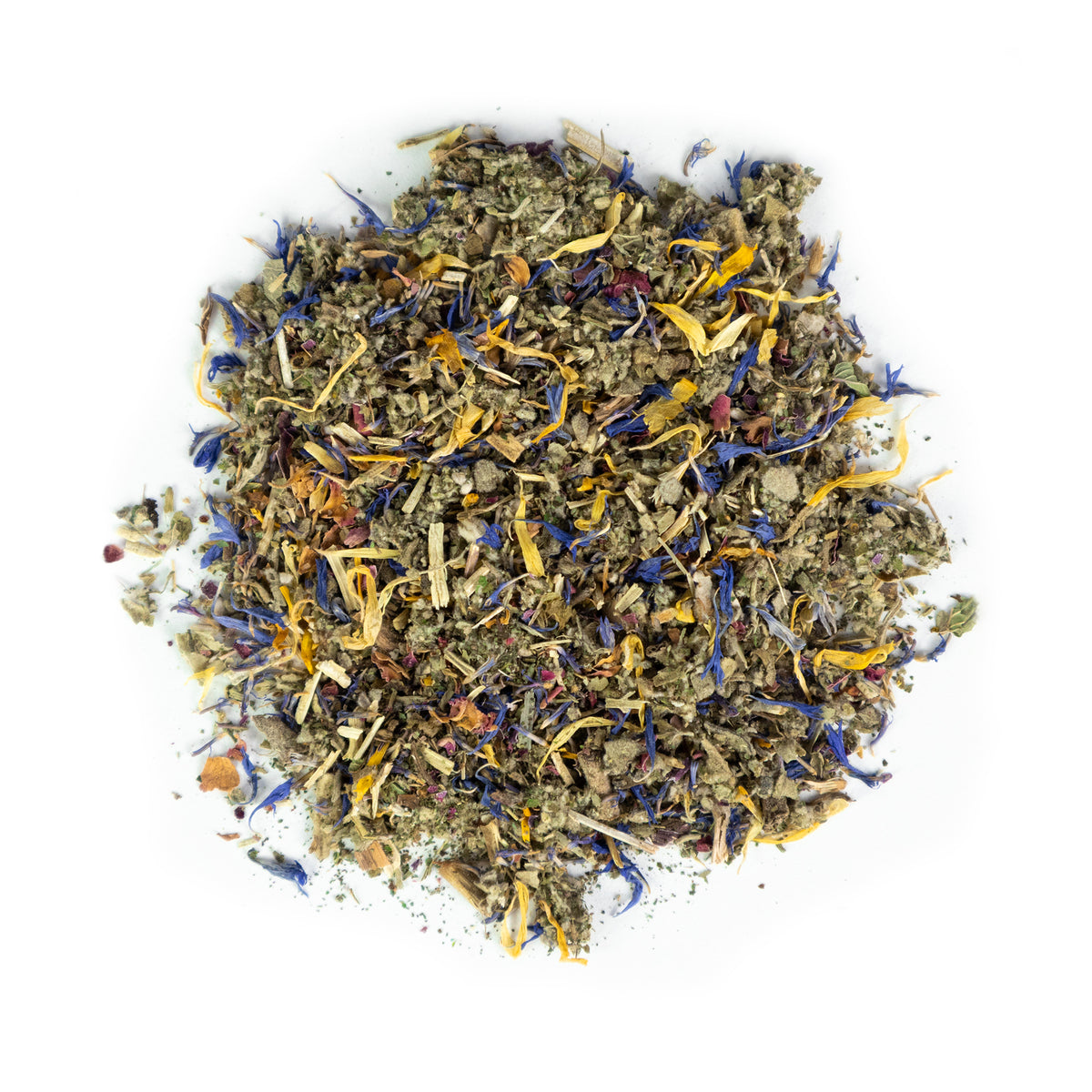
A vibrant floral milled blend with catnip, rose petals and calendula.
FAQ
Catnip (Nepeta cataria) is a soft, grey-green perennial of the mint family, native to Europe and Asia and also known as Catmint. It is best known for its effect on cats, but its leaves and flowering tops have long been brewed as a mild household tea. Today Catnip is enjoyed as a tea and in milled herb blends.
Catnip is long associated with calm evenings and gentle settling. Cats respond to nepetalactone, an aromatic compound in the leaves, by rolling and playing; people do not react that way. Western herbalists class Catnip as a gentle nervine and a carminative. A university review of the literature found no clinical trials in people, so we describe how it is used, not what it will do.
Catnip is best known as a herb people reach for when they want a quiet, settled hour at the end of the day. Most people have a cup of the tea after dinner or in the hour before bed, often blended with Chamomile, Lemon Balm or Passionflower.
Steep 1 to 2 teaspoons of dried Catnip in a cup of just-boiled water, covered, for 10 to 15 minutes, then strain. Add honey to taste, or blend it with Chamomile or Lemon Balm.
No. Catnip is naturally caffeine free, so it suits the evening. The tea is mild, minty and a little earthy, gentler than Peppermint, and honey, Chamomile or Lemon Balm all sit well with it.
Yes. Catnip leaf has a history of being smoked, including by the Shinnecock people of North America, and it is one of the soft, minty leaves in our milled herb blends. People choose it for its mild character.
Inhaling smoke is harmful; we describe how the herb is used, we do not suggest it. Many people prefer to enjoy Catnip as a tea.
Catnip is not recommended during pregnancy, and should be used with care alongside sedative medicines, as it may add to their effect. If you take medication or have a health condition, check with your health professional first.
Not recommended during pregnancy. Use with care alongside sedative medicines, as Catnip may add to their effect.
As described in the monographs cited under Sources.